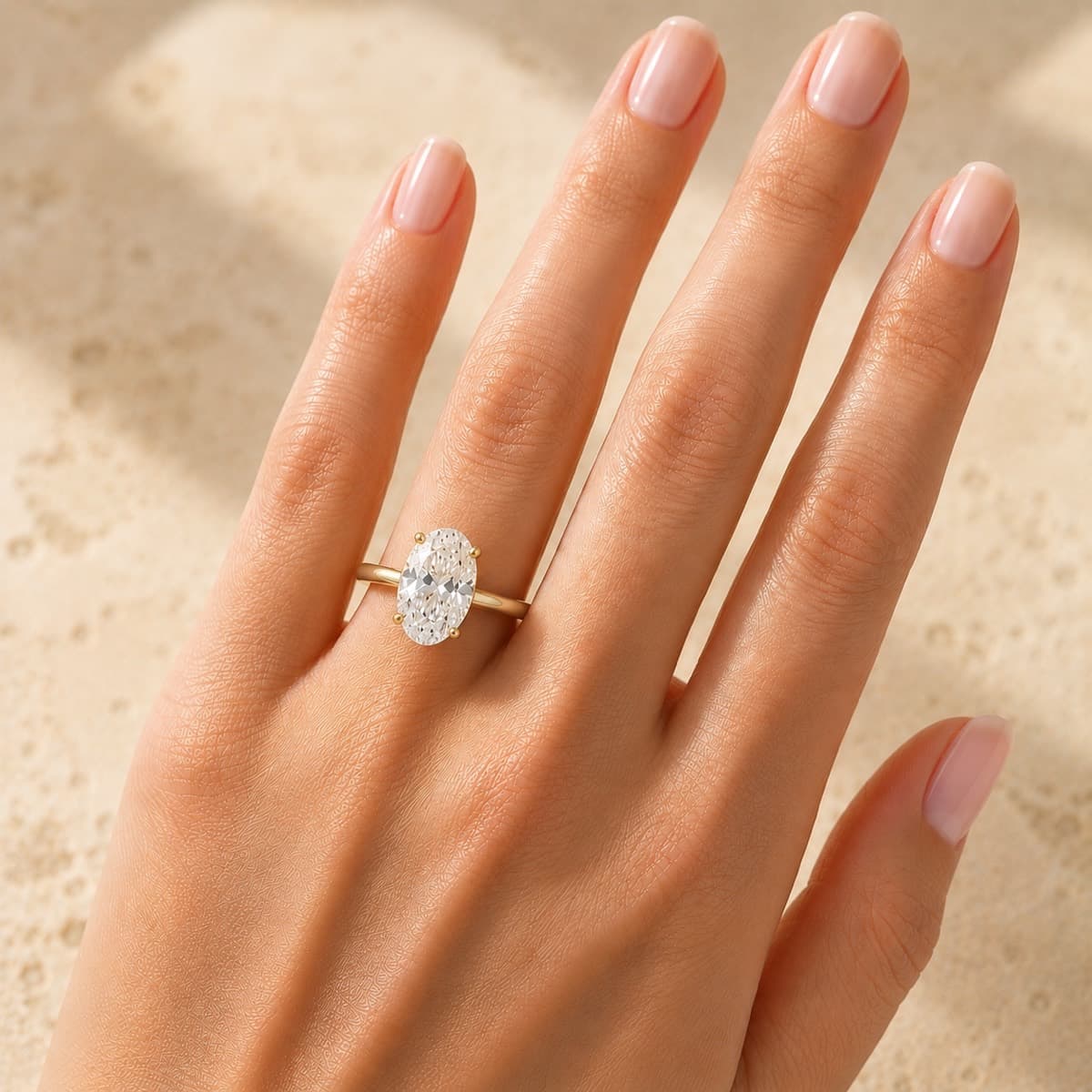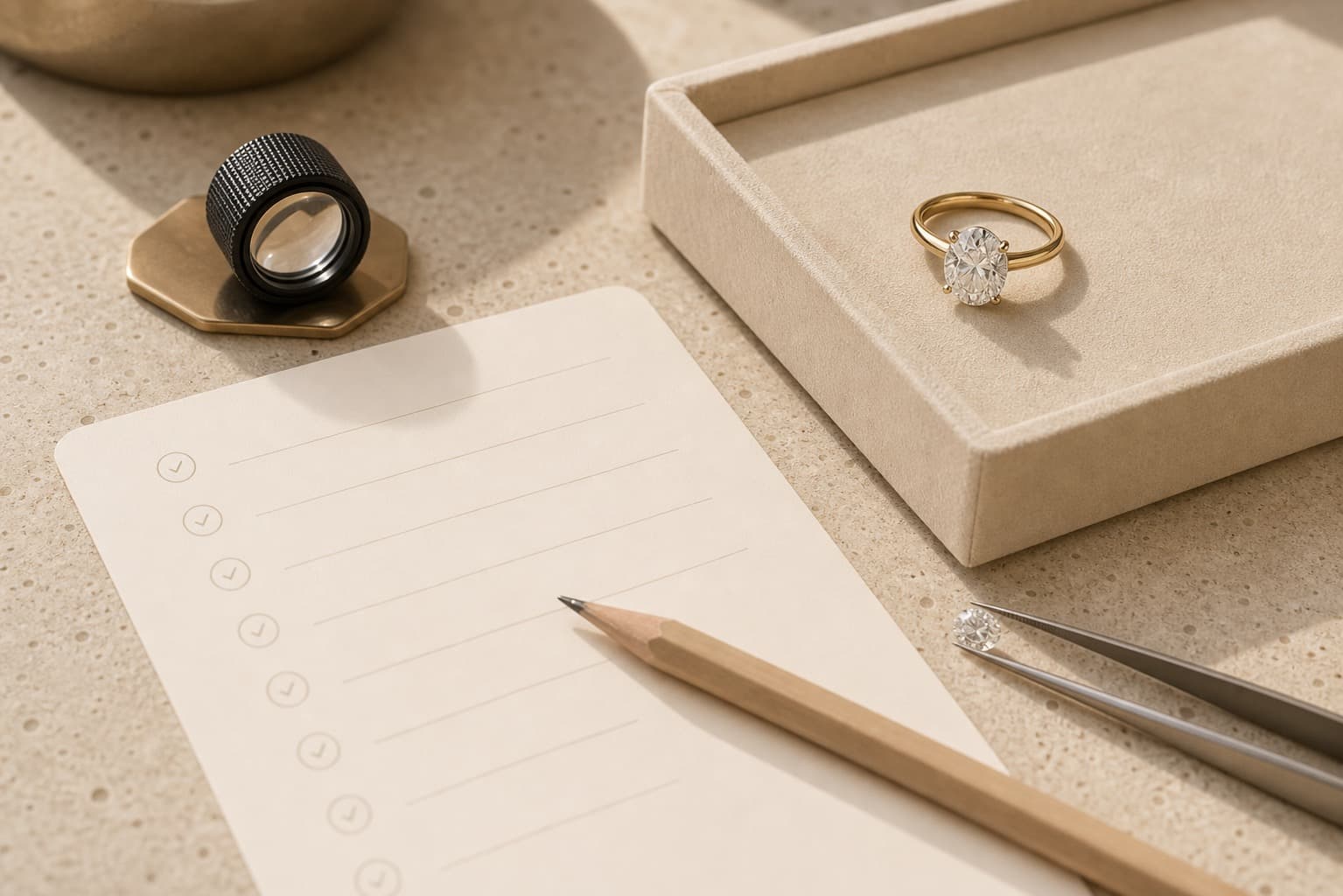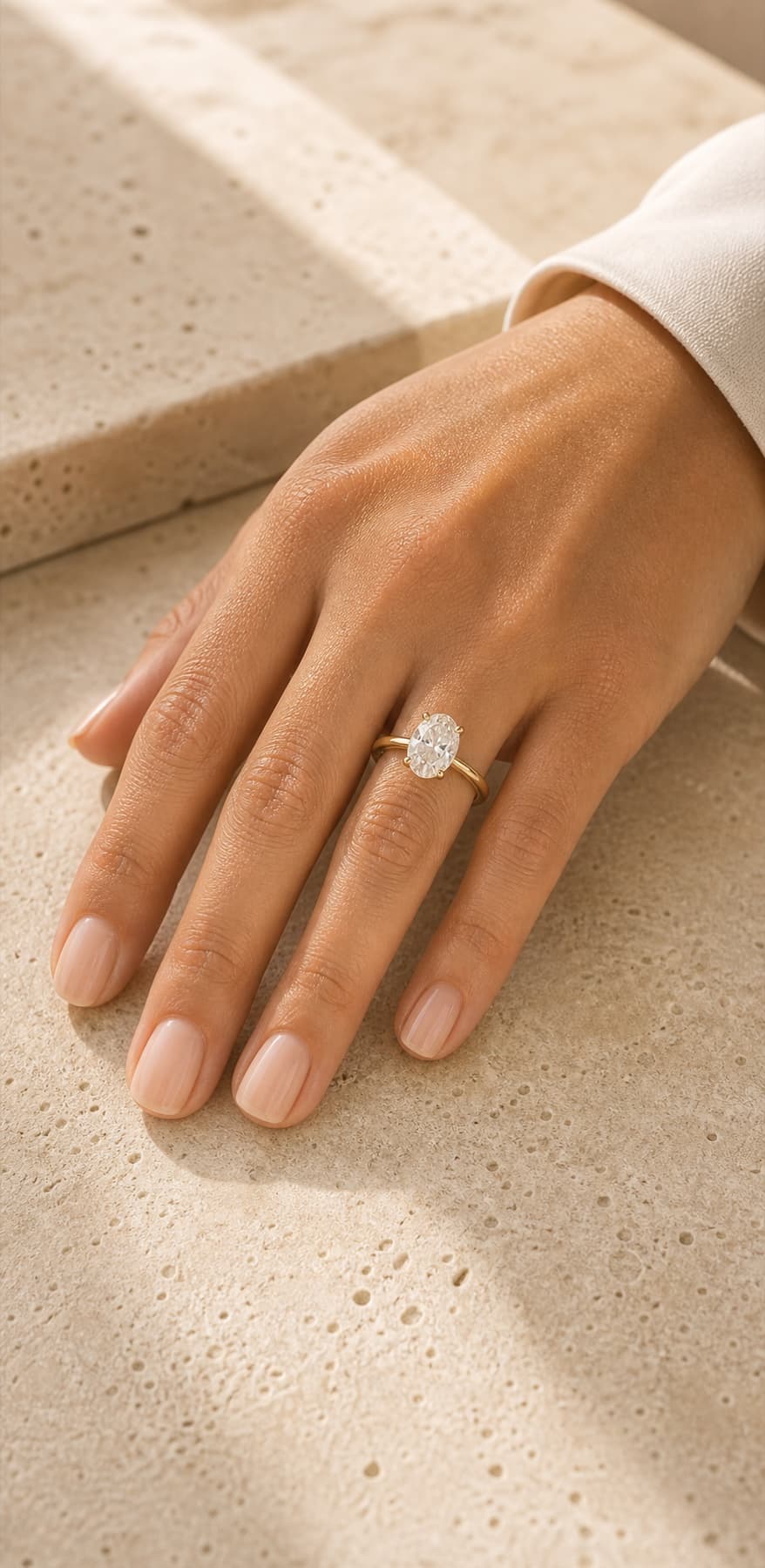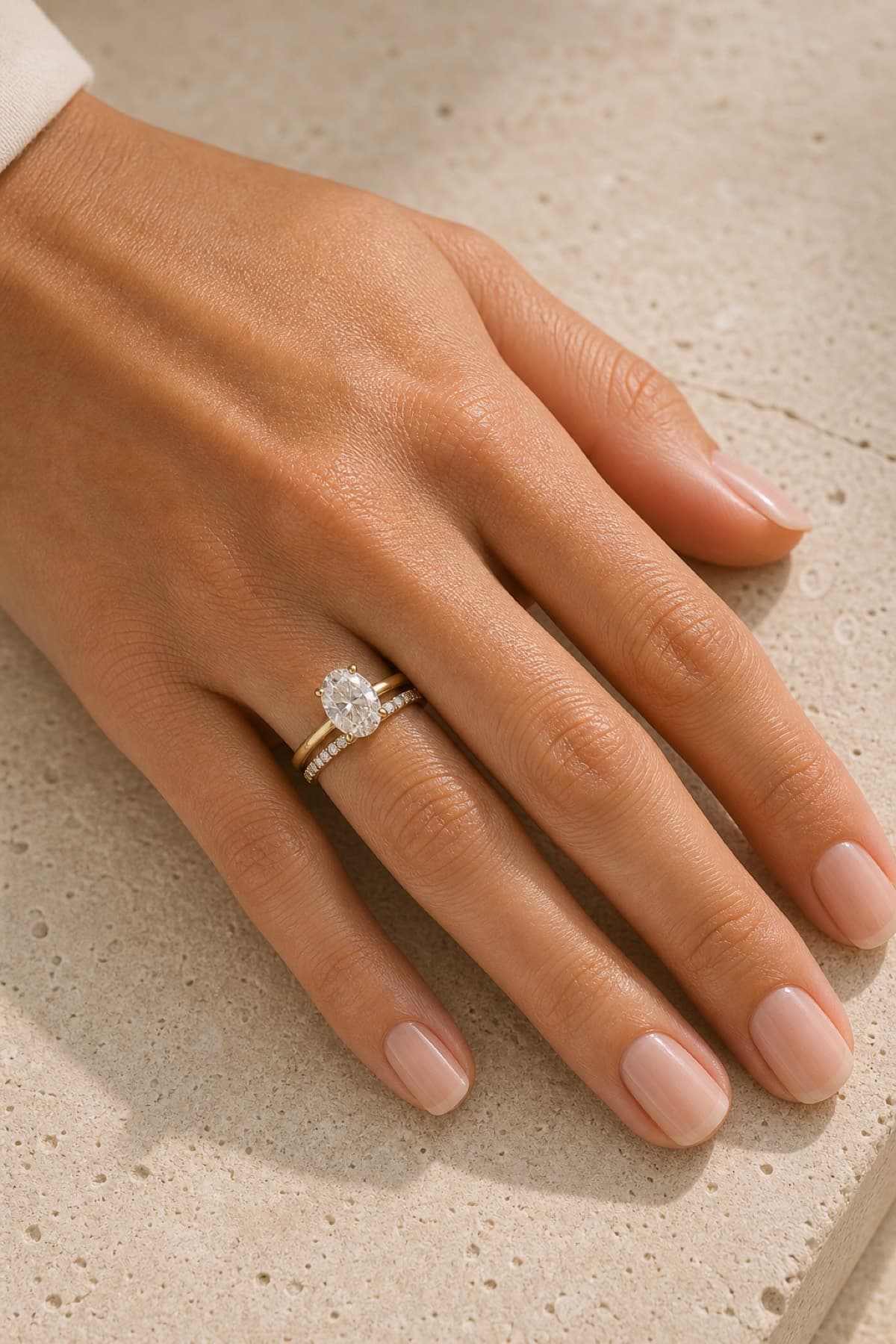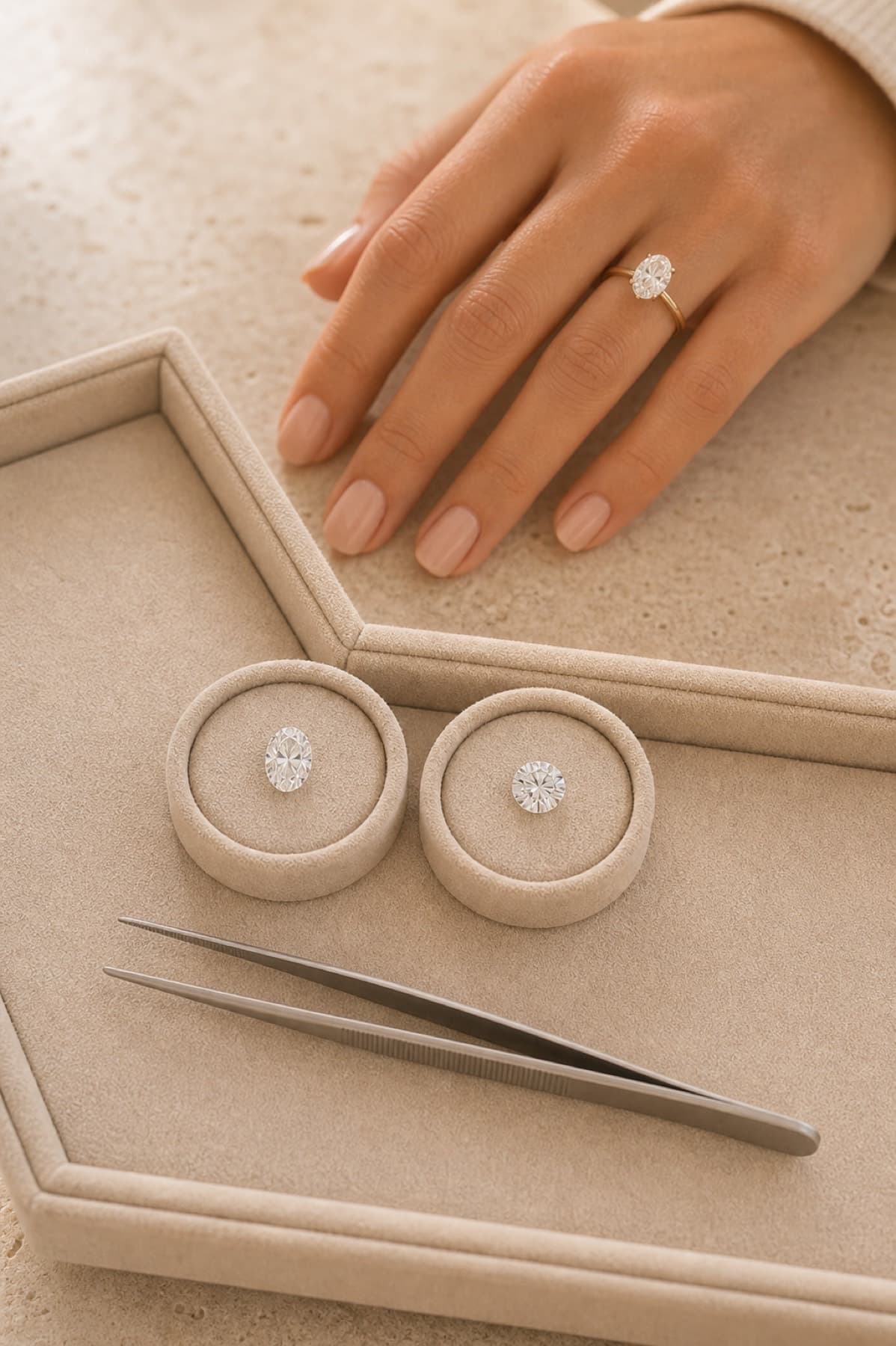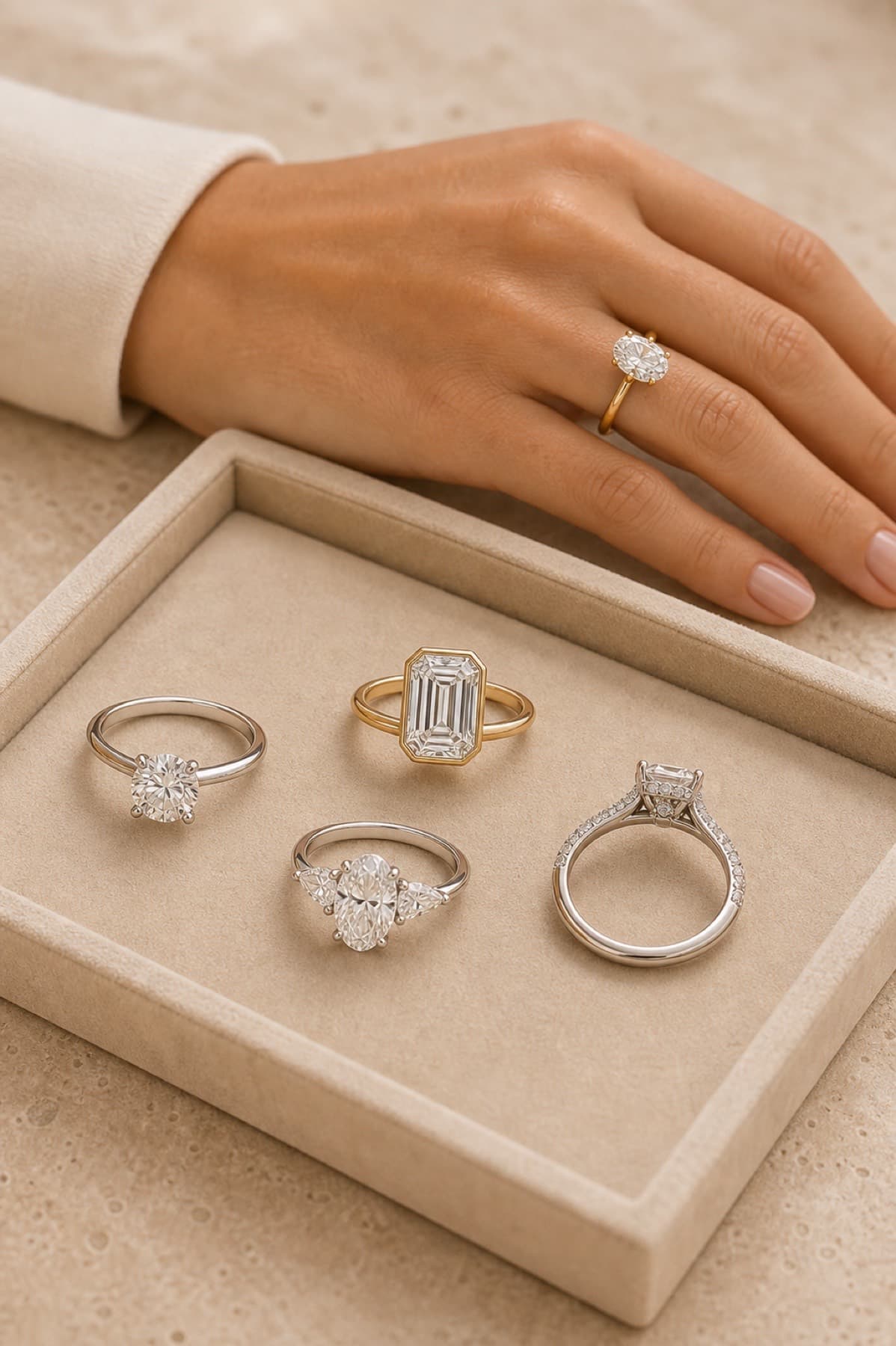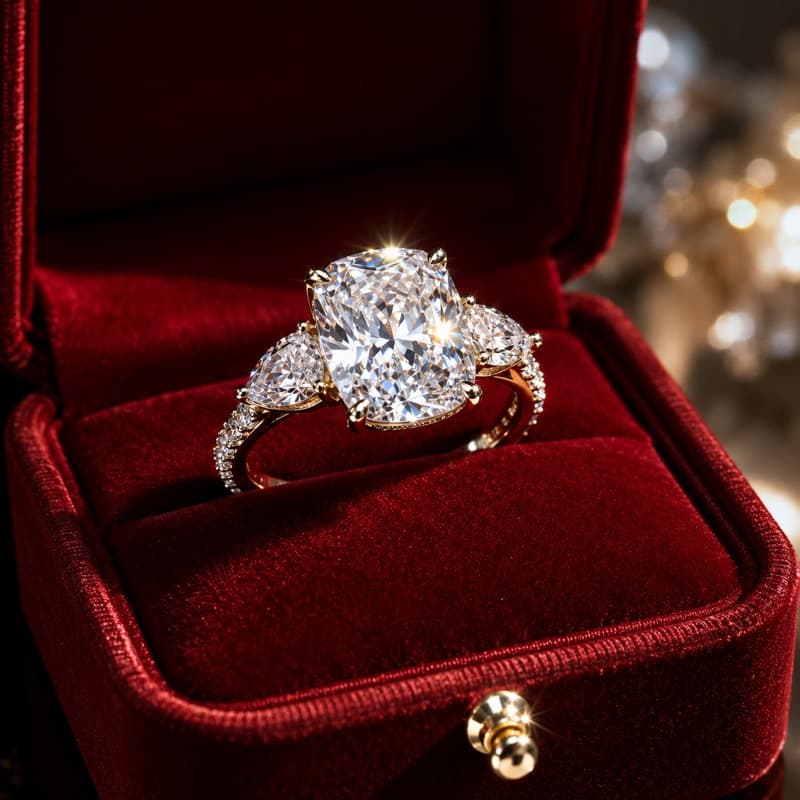



What separates a good marquise from a cheap-looking one
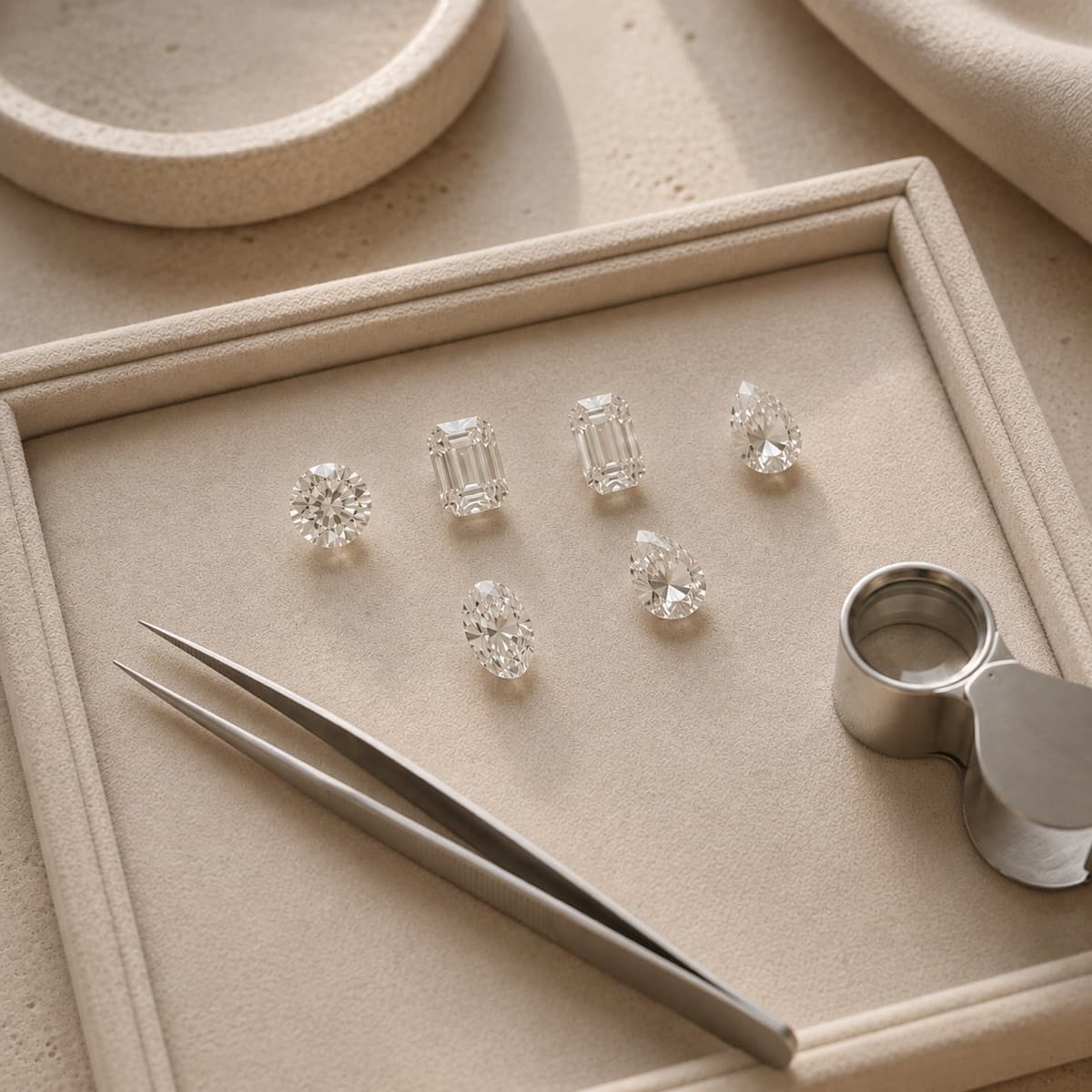
Marquise diamonds carry no cut grade on most reports, which means the market is full of stones that grade well and look wrong. The outline might bulge or pinch, the two points might sit slightly off-axis, or a dark bow-tie might cut the stone in half visually. None of that appears on paper, and all of it is obvious the moment the stone is in front of you.
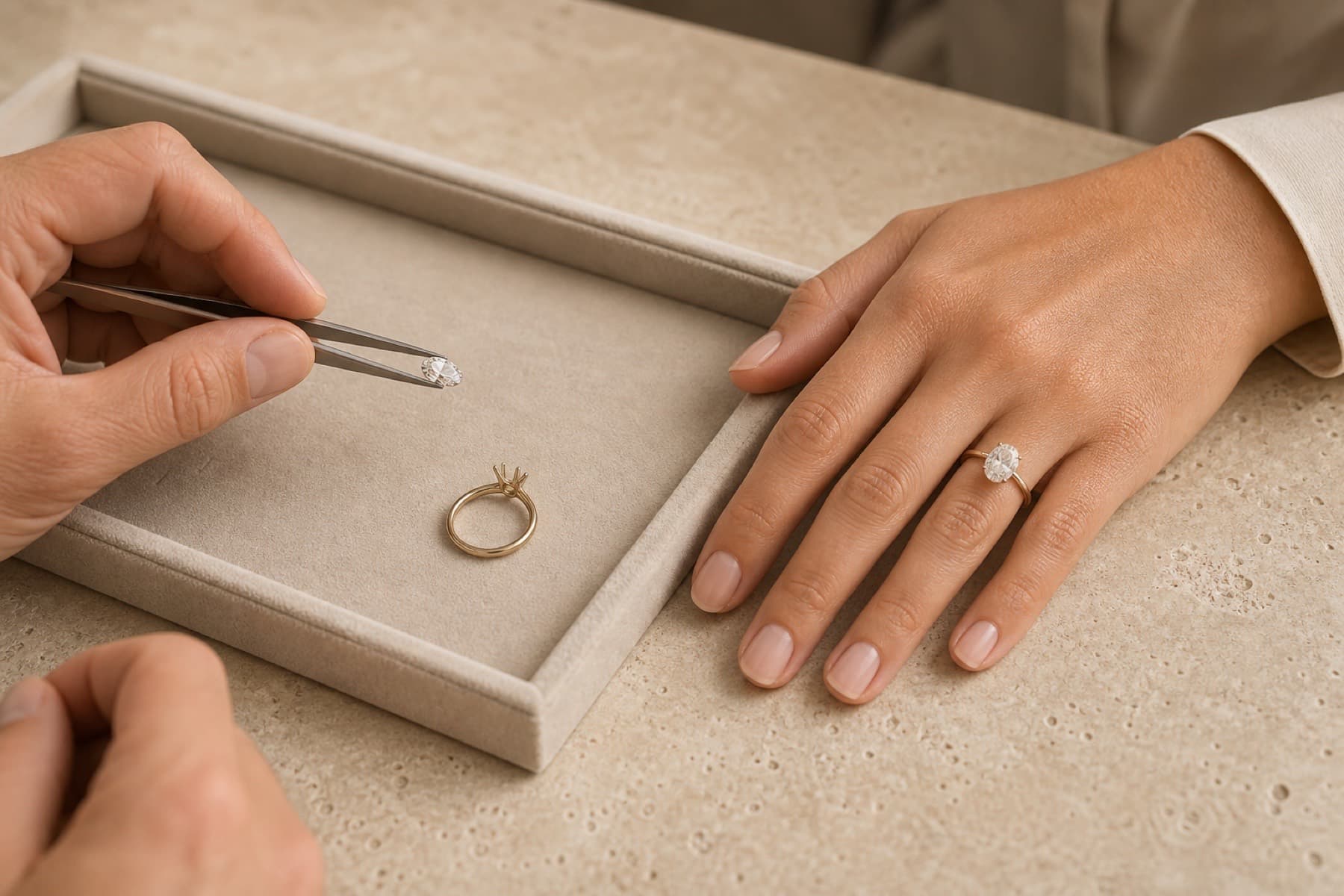
So the sourcing works like a funnel. I call in candidates, discard most of them, and show you the few worth your time, natural and lab-grown side by side if you want the comparison. Lab-grown often buys noticeably more length for the same budget in this shape, and I’ll show you exactly what that trade looks like rather than describing it.
- Outline: smooth continuous curves, no shoulders that bulge or flatten.
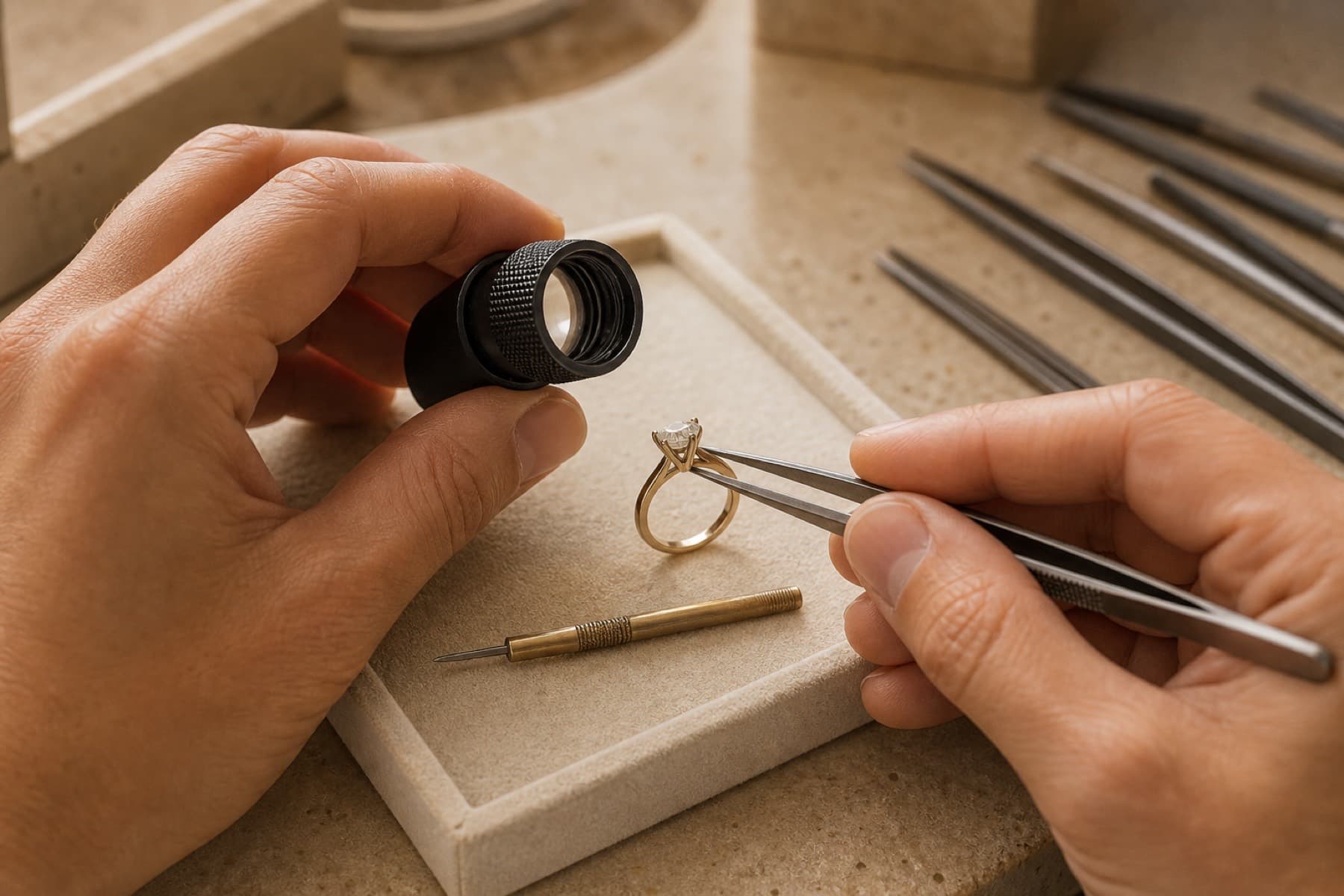
- Point alignment: both tips on the same axis, checked under magnification.
- Bow-tie: a faint one is normal, a black stripe across the middle is not.
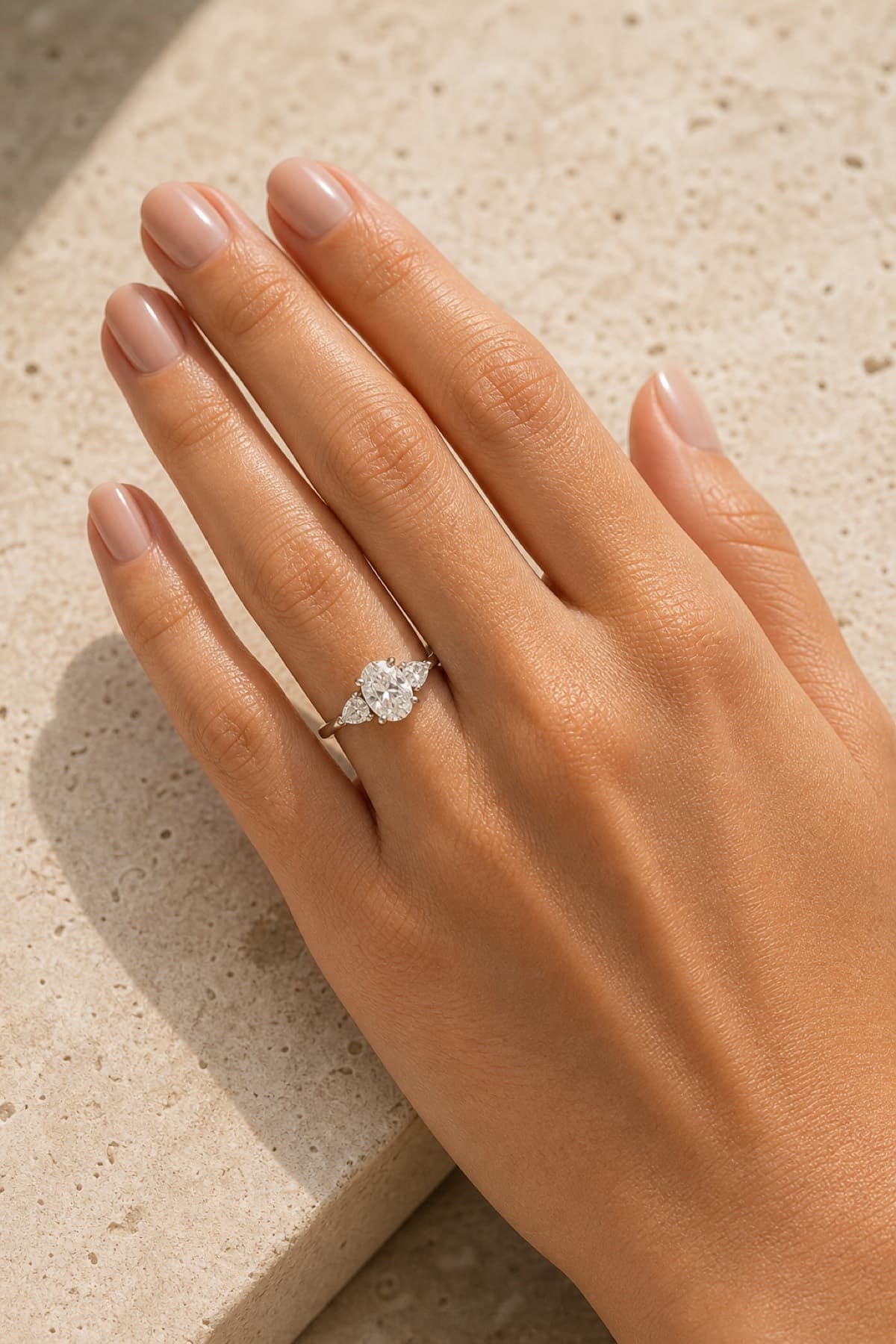
- Face-up spread: how much finger the stone actually covers at its weight.