
Step cuts feel calm and intentional
They show broad flashes, geometry, and transparency rather than constant sparkle.
Inspiration, not inventory
Asscher, emerald, baguette, and antique-inspired geometry with warm detail and measured restraint.
Vintage step-cut rings should feel collected, not themed. The details need to support the center stone and the person wearing it.

Best for
Structure, symmetry, and vintage detail
Diamond shape
Asscher, emerald, baguette, step-cut accents
Setting path
Detail planning and stone matching
Custom complexity
Moderate to high
Why this direction works
Andrew uses the inspiration image to decide what needs to be selected, modified, or built from scratch so the ring feels right in real life.
They show broad flashes, geometry, and transparency rather than constant sparkle.
Milgrain, engraving, gallery detail, and baguette accents can be beautiful when they support the diamond instead of turning into a theme.
The design can reference older jewelry while still being made around the person wearing it now.
You don’t need to know a single one of these words yet. Send the photo, and Andrew walks you through every choice in plain English, with real examples in front of you, until the ring is exactly right.
01
Vintage designs center on step cuts, the Asscher and emerald cuts whose long open facets flash like mirrors. They demand clean, clear stones, so Andrew rejects the cloudy ones first. Straight-edged side accents complete the period look.
02
The details that whisper an era: milgrain (a fine beaded edge worked into the metal), delicate engraving, warm gold tones. Used lightly, because the goal is an heirloom, not a costume.
03
Vintage lives or dies on symmetry: the spacing, the proportion of the side stones, the way a wedding band will one day complete the picture. All of it balanced and approved before production.
What Andrew would compare
I would start with the step-cut diamond because clarity and pattern matter so much.
I would use vintage detail sparingly so the ring still feels refined.
I would make sure the wedding band plan does not fight the geometry of the engagement ring.
Step cuts reveal clarity, cut precision, and color differently than brilliant cuts. Natural and lab-grown step cuts can both be considered, but they should be inspected carefully for transparency, contrast, and pattern.
The setting should support the geometry. CAD can help when baguettes, shields, engraving, or a specific gallery view need to be aligned cleanly.
Vintage-inspired detail should not create snag points or fragile edges. The ring can feel substantial and wearable when the decorative work is disciplined.
Geometric rings can pair beautifully with straight, baguette, or contour bands, but the relationship should be planned before the engagement ring is finished.
What to text Andrew
A photo, saved post, rough sketch, or short note is enough. Andrew can help decide whether the best path is selecting the exact diamond, modifying a setting, or using CAD only when the design needs it.
Keep comparing

A sleek step-cut diamond secured in a clean bezel for an architectural, understated profile.
Customize this direction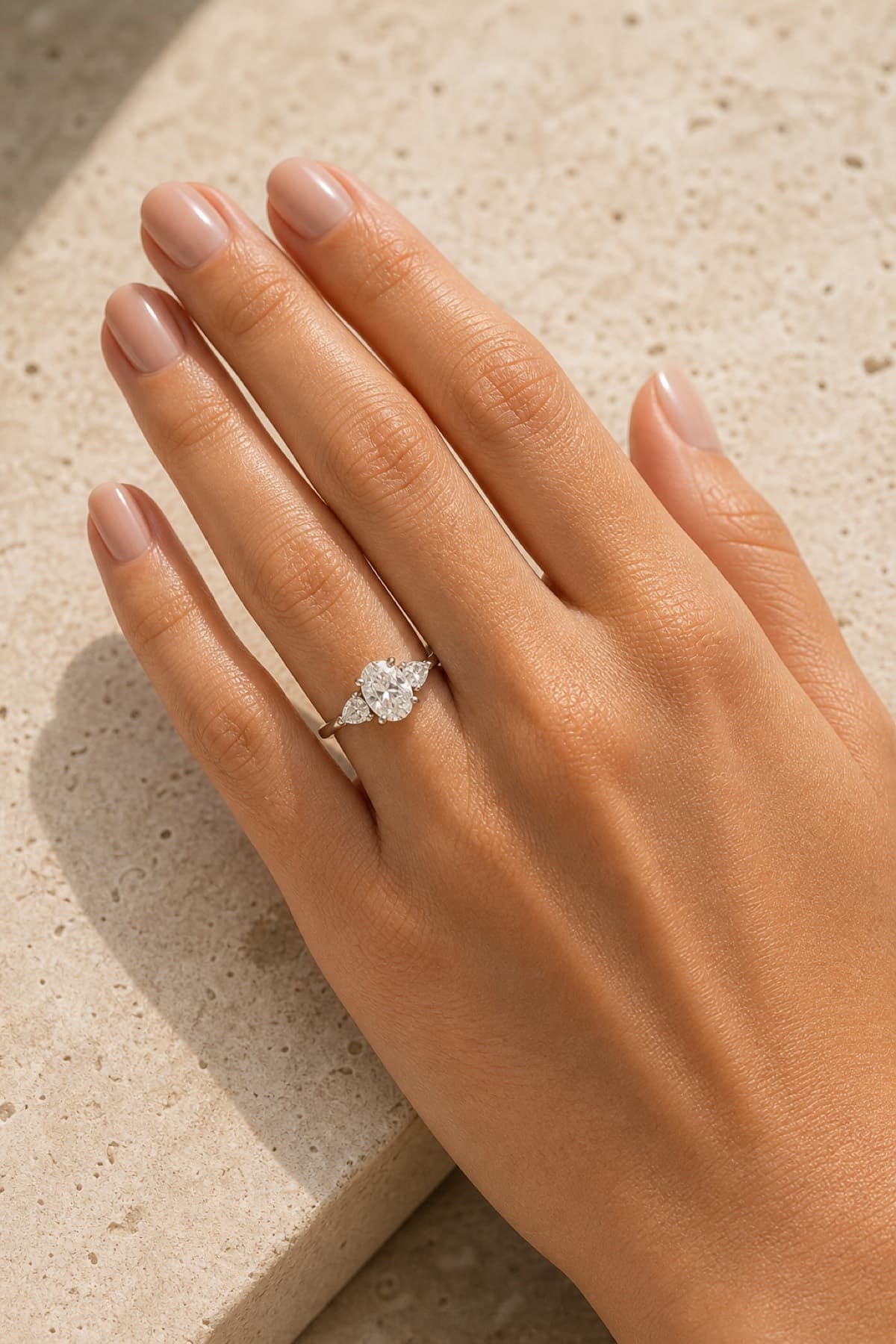
A center diamond framed by two supporting stones for presence, meaning, and beautiful side views.
Customize this direction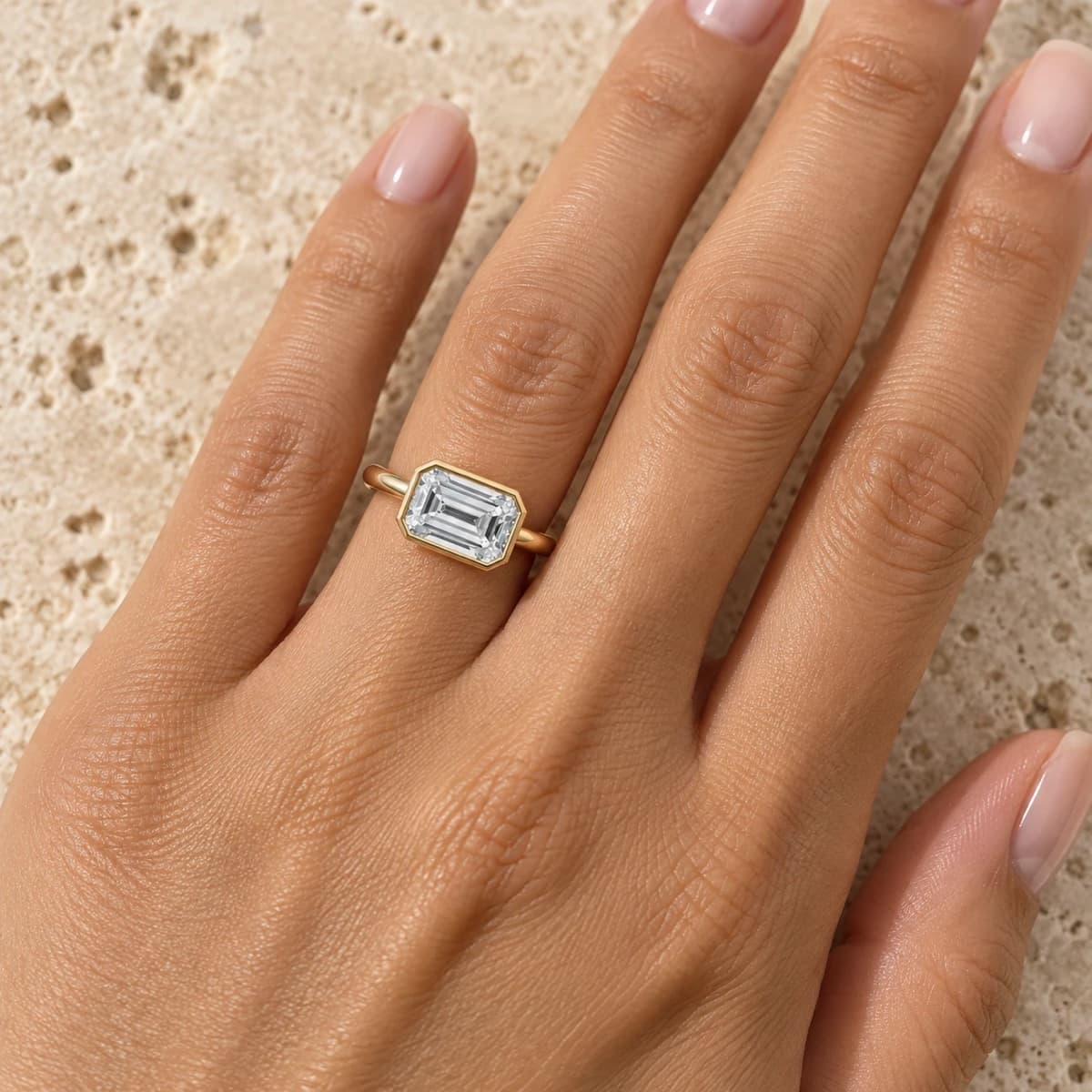
A center stone set horizontally for a lower, modern line across the finger.
Customize this direction
A soft rectangular center with a plush outline, generous sparkle, and a less expected profile than a round brilliant.
Customize this directionUseful guides
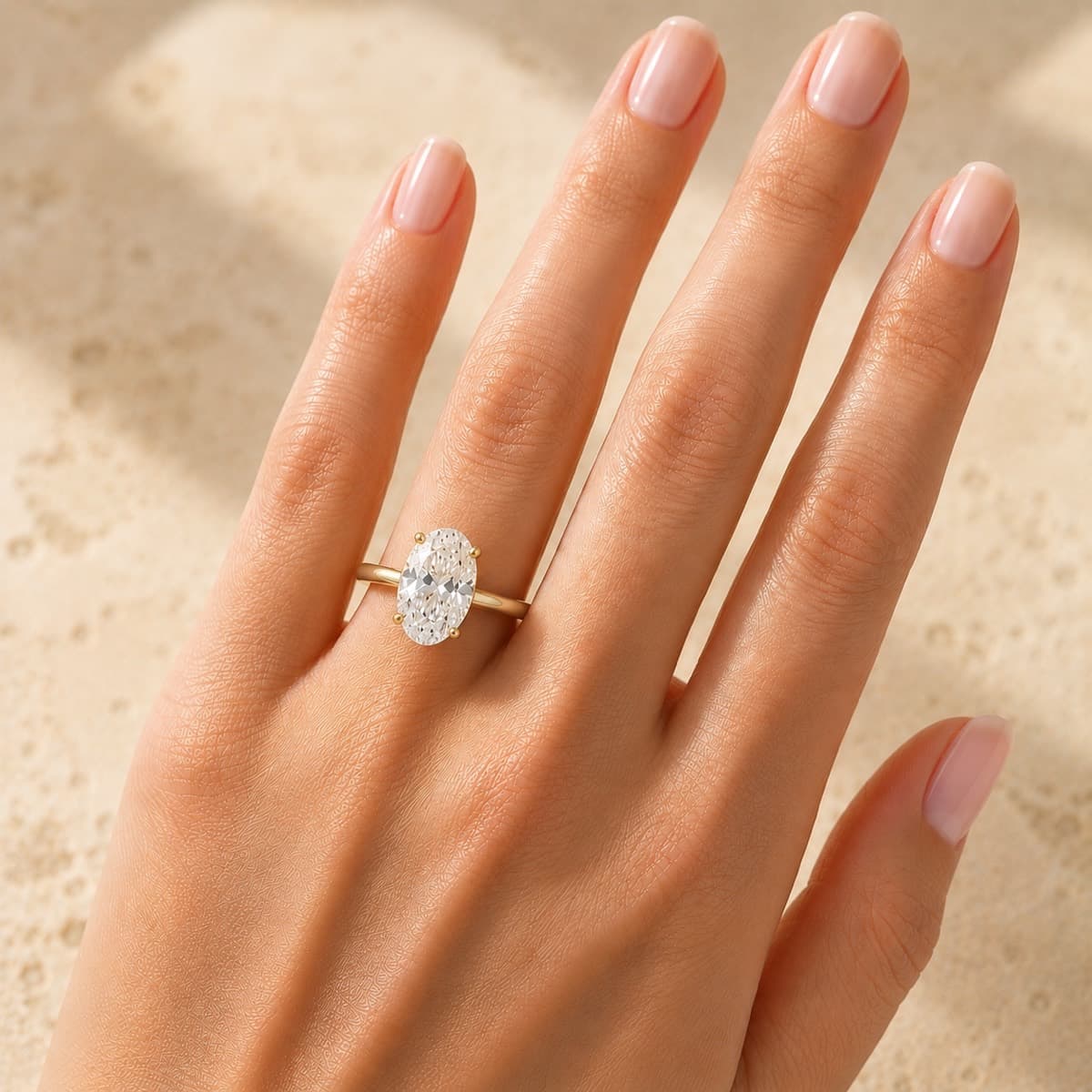
How to compare round, oval, cushion, emerald, radiant, pear, marquise, and other diamond shapes for a custom engagement ring.
Read guide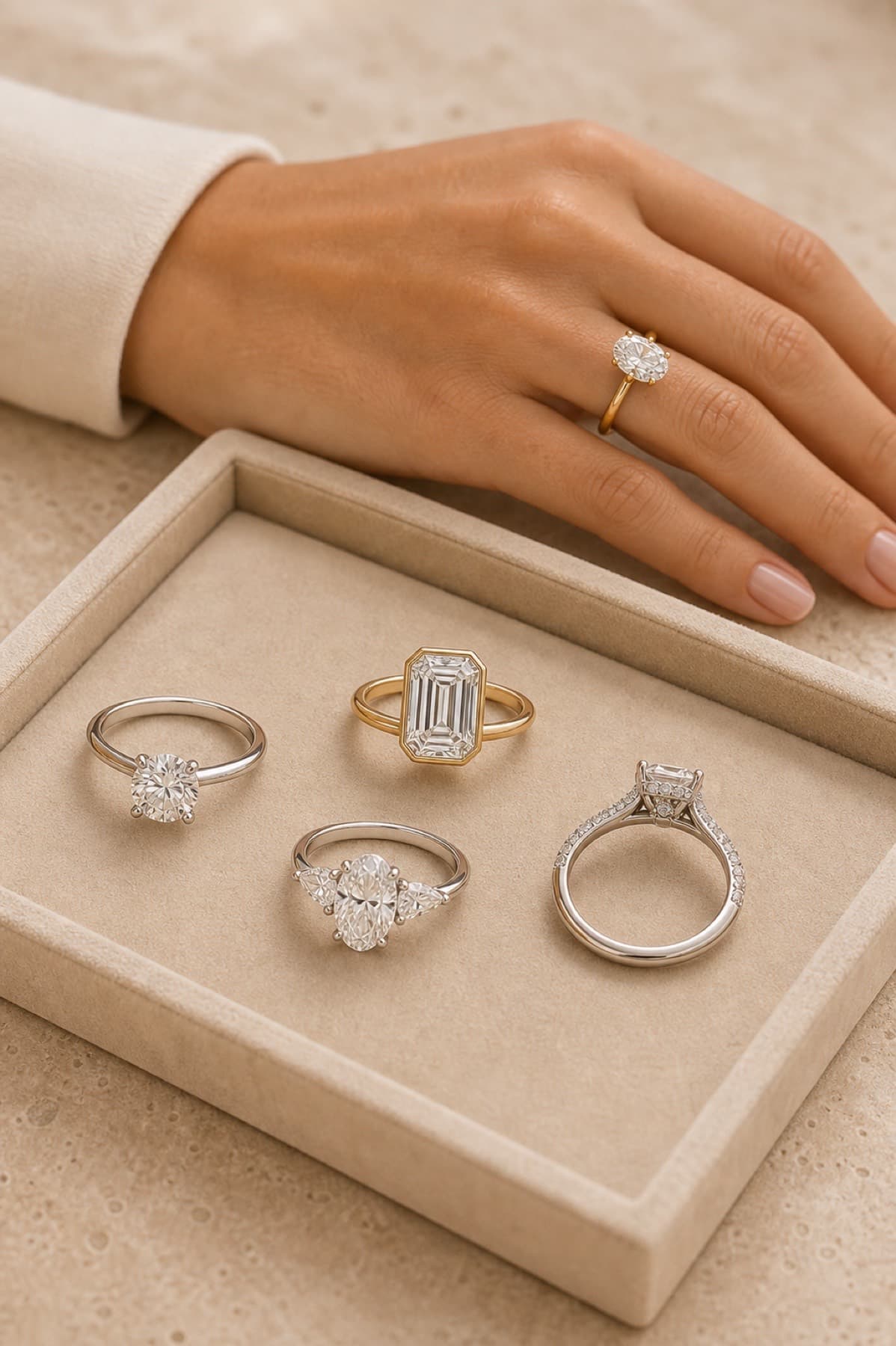
Solitaire, halo, pavé, bezel, three-stone: every setting term in plain English, plus the side-view and lifestyle questions that decide how a ring wears.
Read guide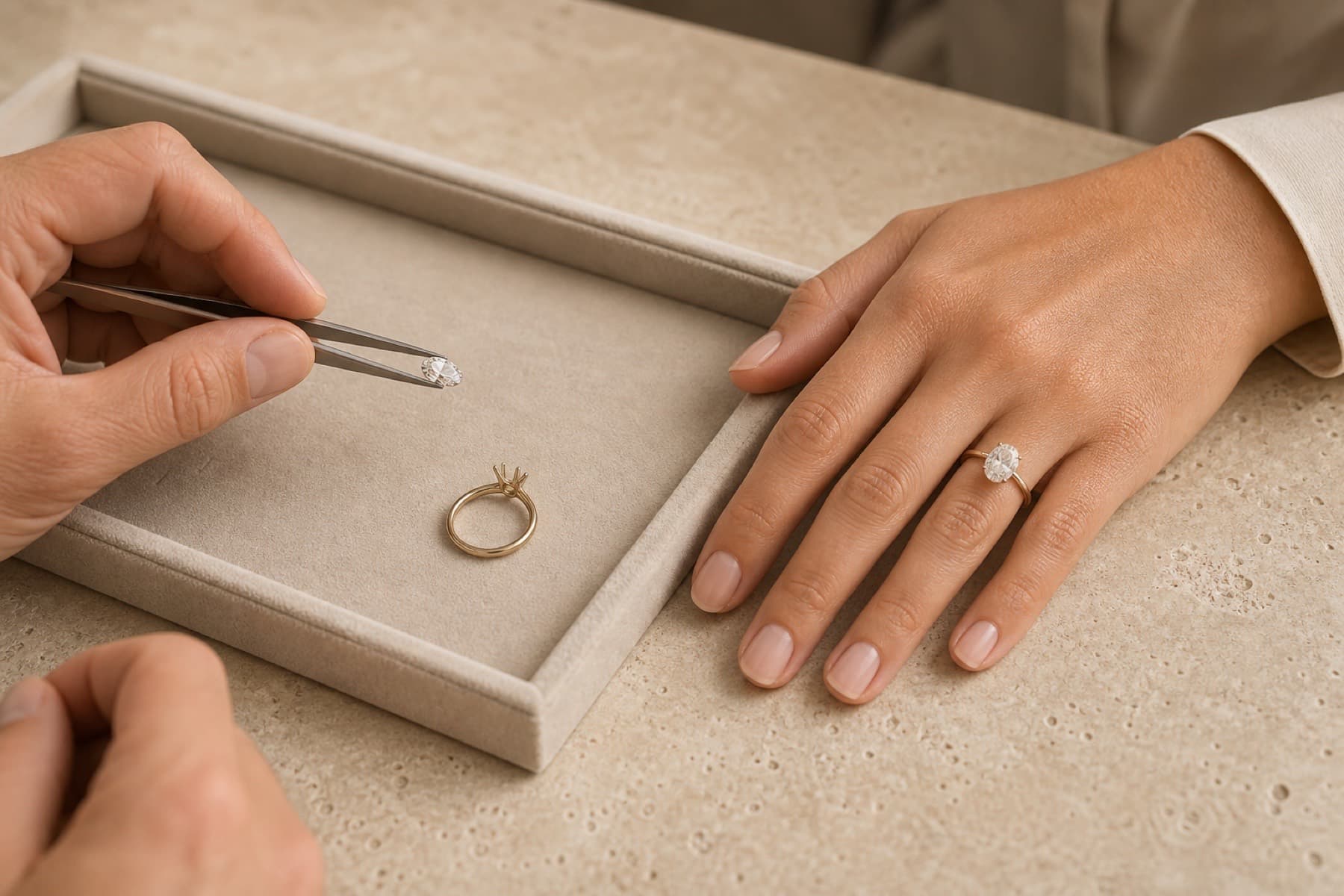
What a private jeweler is, how working one-on-one differs from a jewelry store visit, what each one costs you, and when a store is genuinely the better choice.
Read guideWant the full page on this style, from the stone to the price?
Vintage Step-Cut engagement rings in San DiegoIn their words
“I had about three weeks before I shipped out and every store quoted me six to eight. Andrew asked for my date, said that’s doable, and the ring was in my hand in 17 days. She said yes with time to spare.”
Step cuts show broad flashes and geometric pattern rather than the constant sparkle of many brilliant cuts.
They often reveal inclusions more clearly, so the actual visual clarity should be reviewed carefully before choosing the diamond.
Yes. The key is restraint: use milgrain, engraving, or gallery detail only where it improves the design.
Yes. Lab-grown and natural step cuts can both be compared, with clear distinction around origin and market behavior.
Text Andrew
Text Andrew the photo or style you keep coming back to. He can help translate it into a diamond choice, setting path, and next step without treating the inspiration as inventory.