
Guide
Private Jeweler vs Jewelry Store
By Andrew GonzalezGIA Diamonds Graduate6 min readUpdated
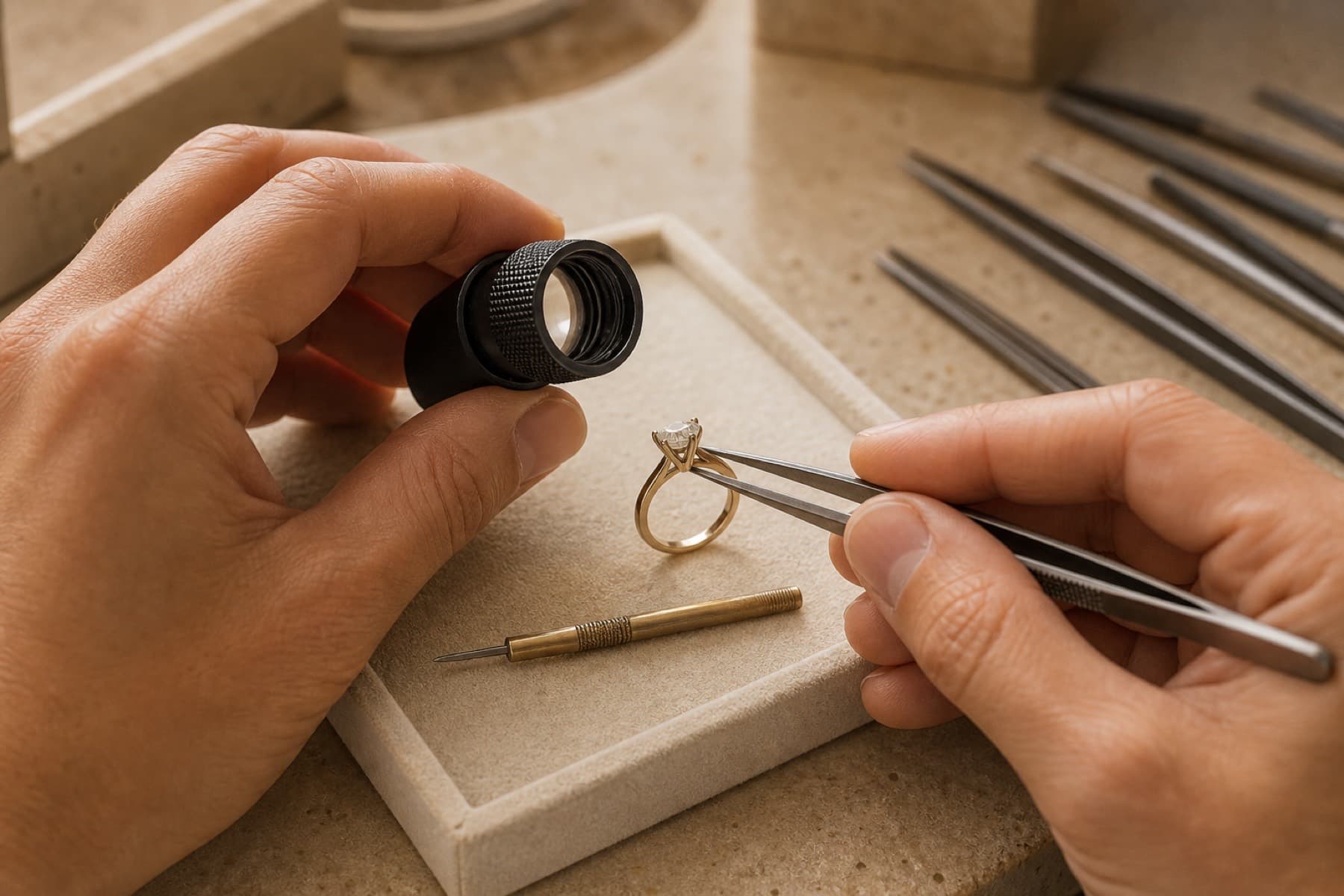
A private jeweler works one-on-one, holds no inventory, and sources each stone for one client at a time. A jewelry store does the opposite: it buys a case of rings up front, pays rent on a showroom to display them, and employs someone whose job is to make sure you leave with one. That difference in structure is the whole comparison, and it decides what you pay, what you get to compare, and who answers the phone in five years. I have worked both sides. I have owned and managed stores, and today most of my week is wholesale, so this comes from the inside.
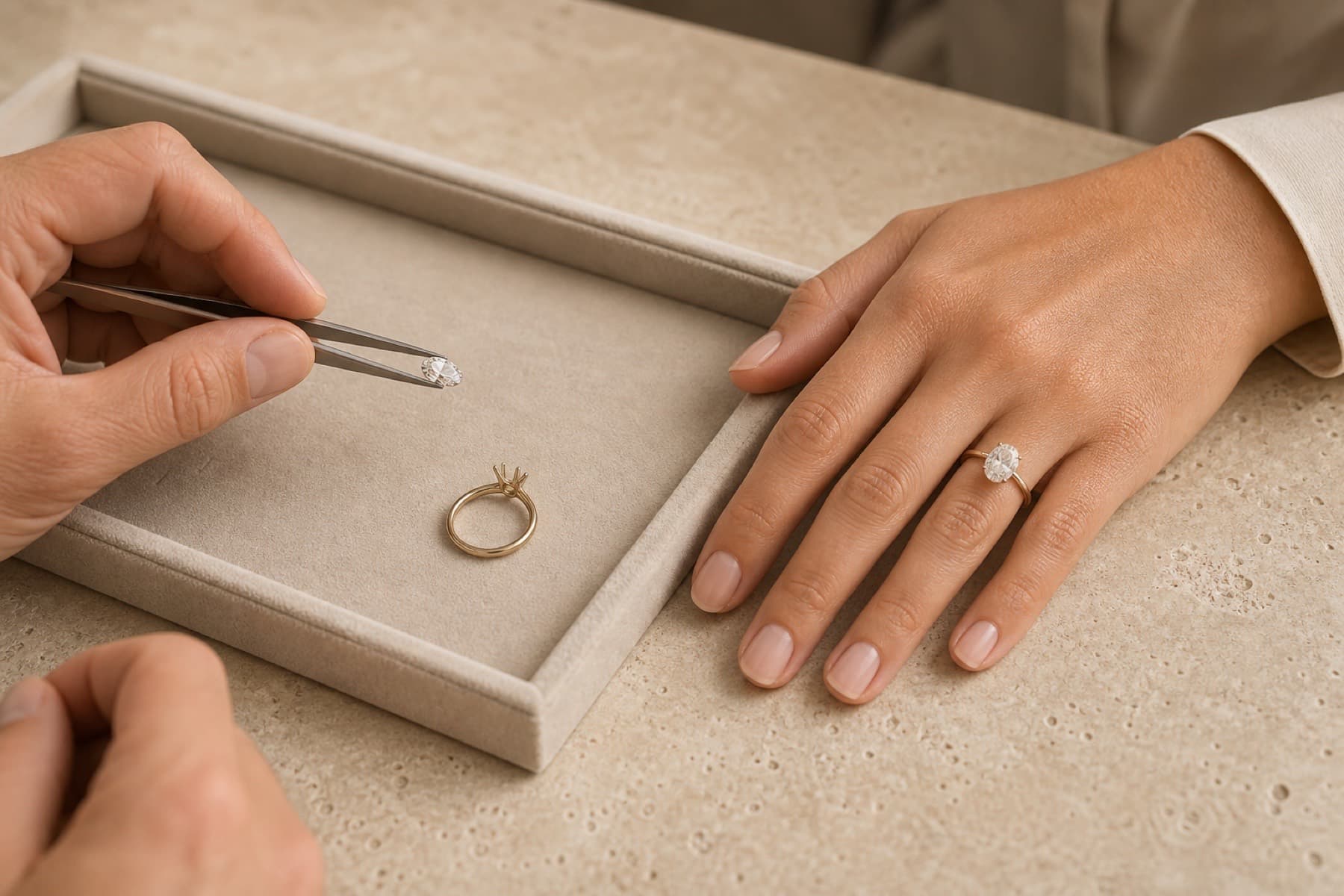
What is a private jeweler?
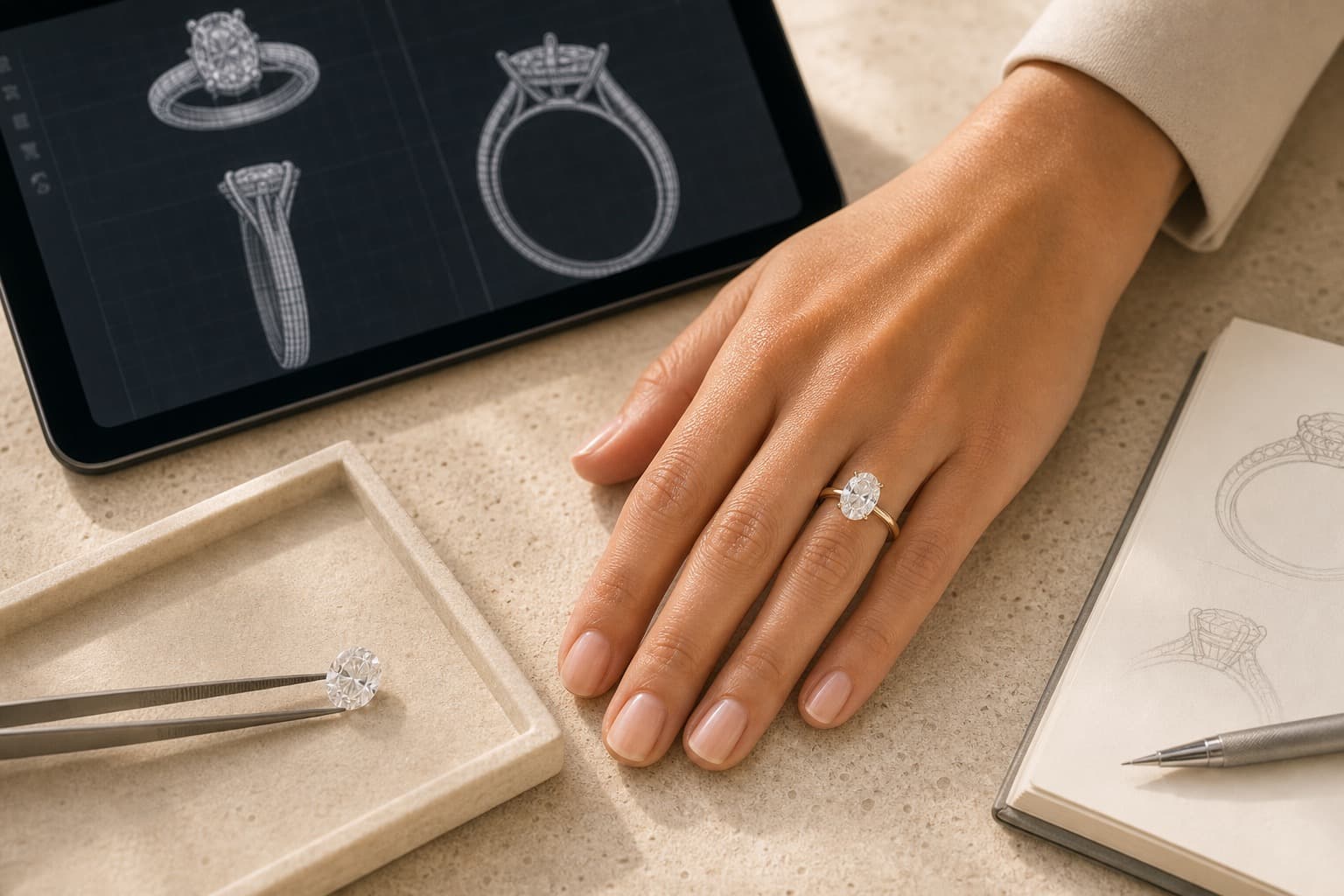
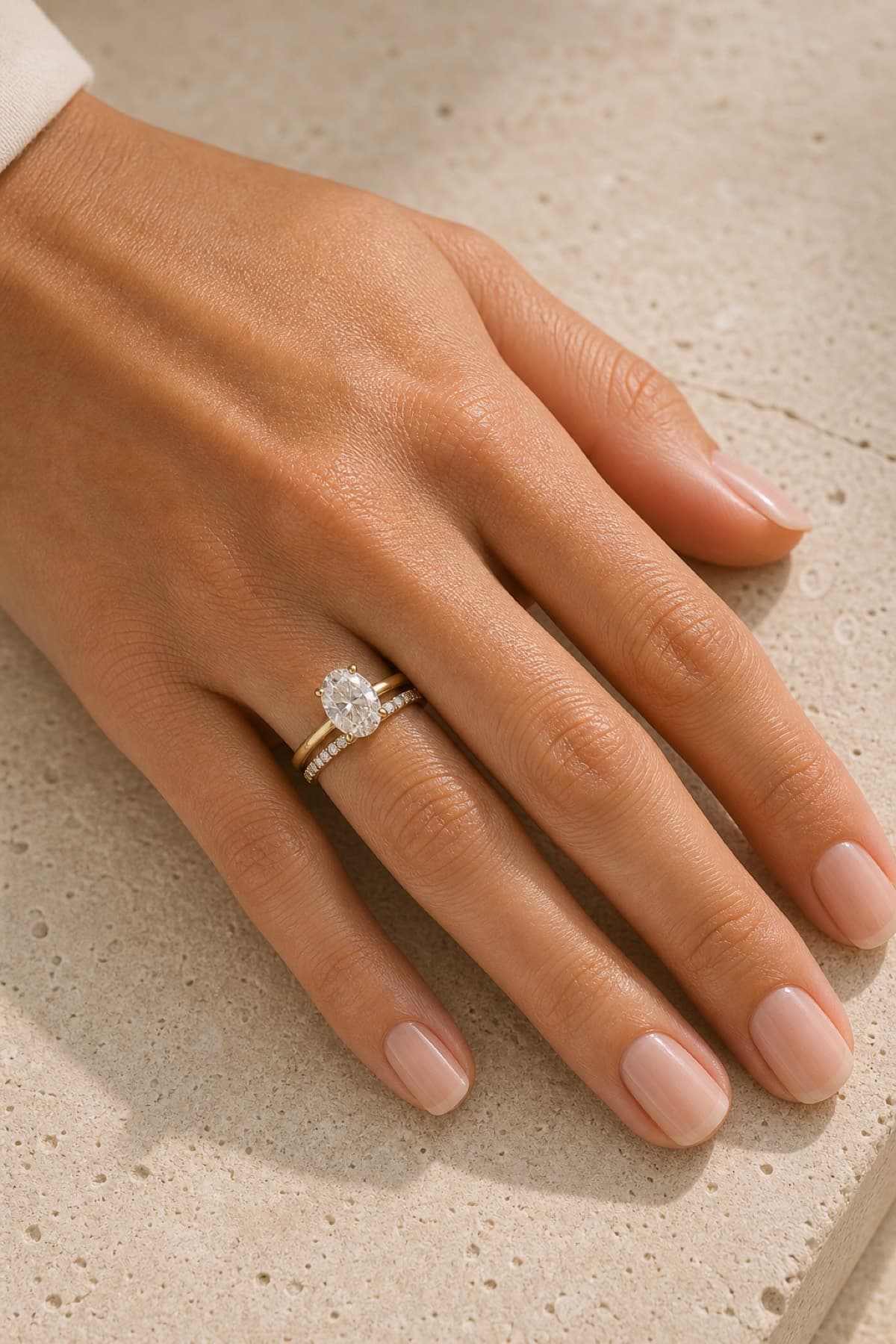
Someone who works with you one-on-one rather than from a shop floor, and who buys each stone for a specific client instead of stocking a case. The work is the same work: sourcing diamonds, designing settings, and having rings built. What is missing is the retail layer, and everything that layer costs.
It is not an exotic arrangement. It is how much of this business ran before shopping malls, and it is still how a lot of jewelers serve the clients who already know them. Nearly all of my work arrives by referral for exactly that reason.
The starting point is different
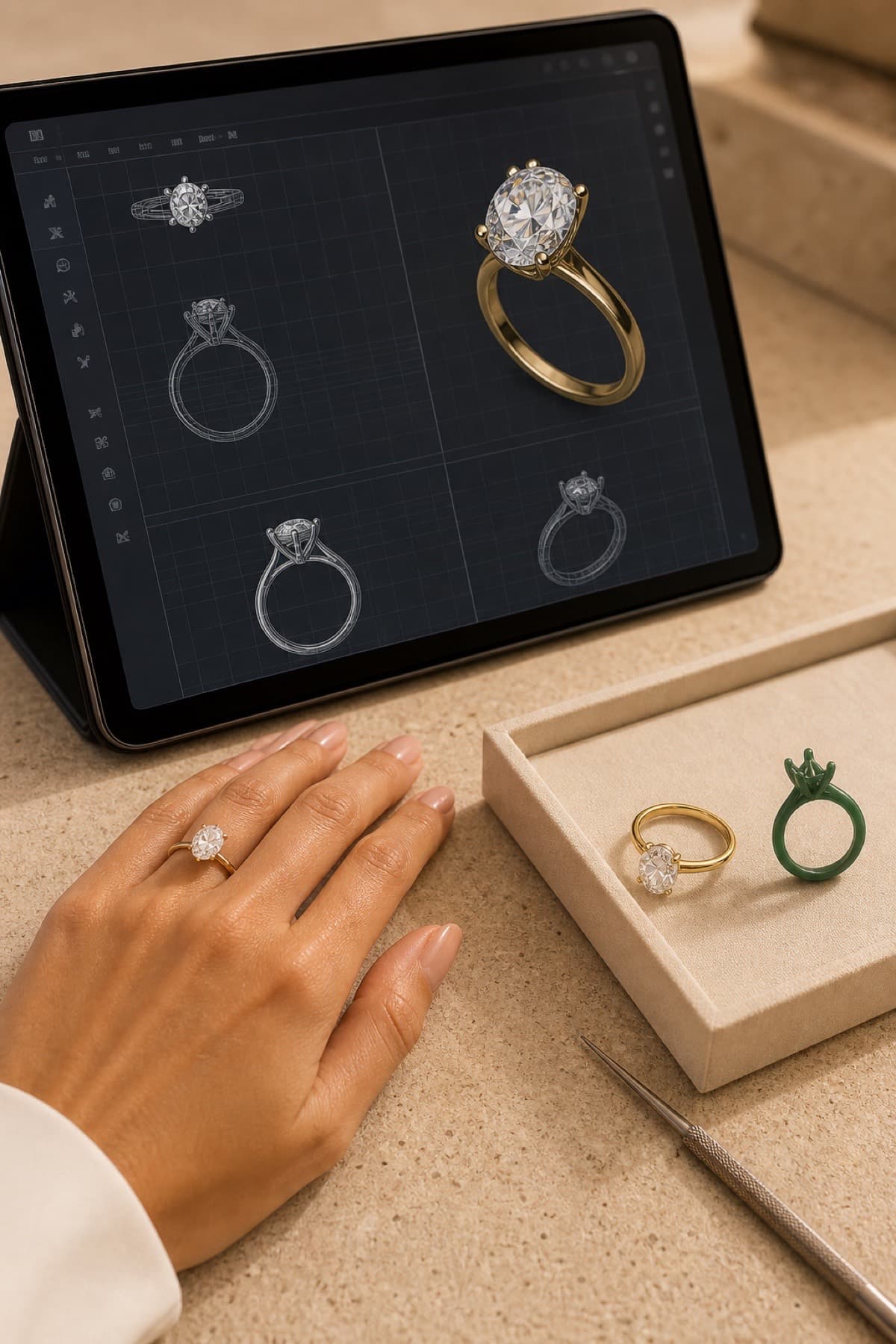
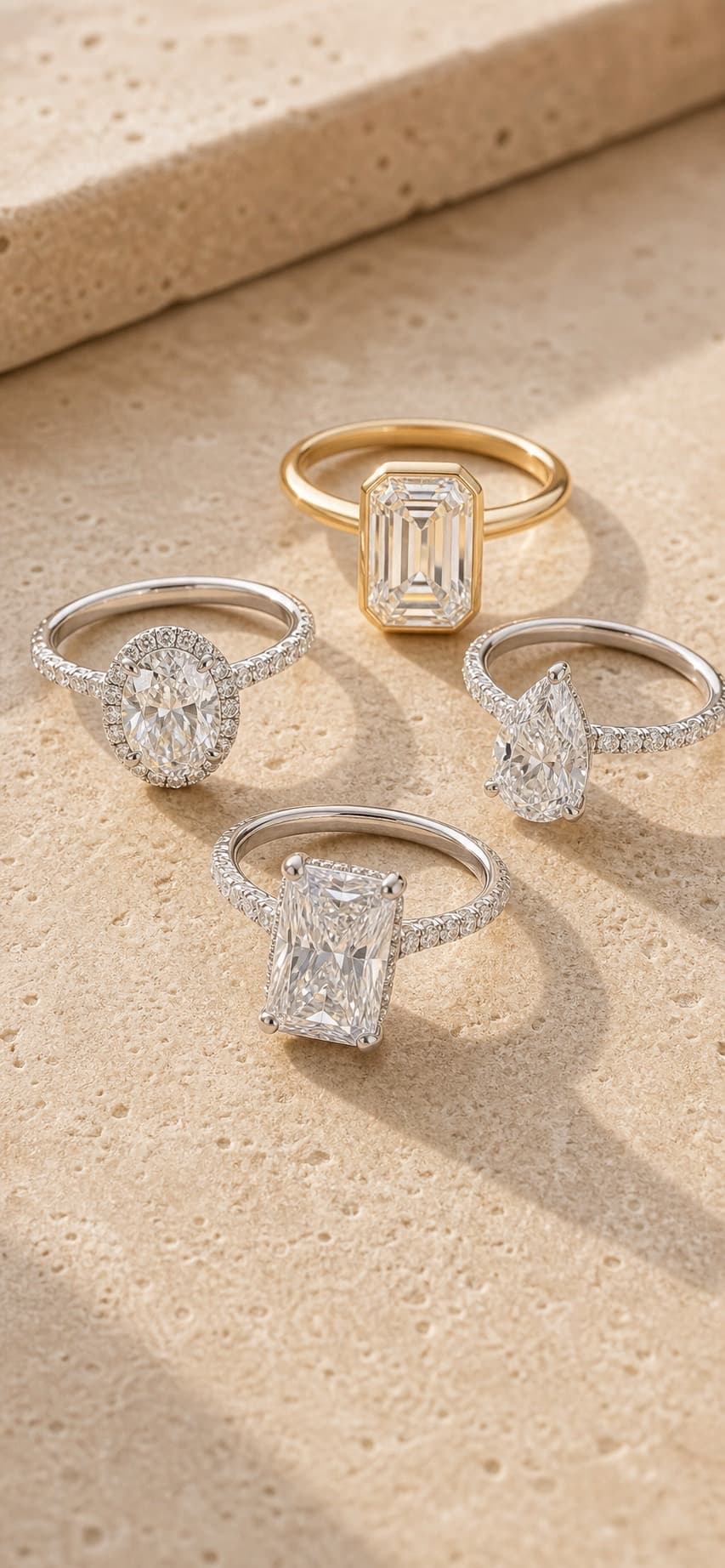
A store visit asks which ring in the case is closest. A private jeweler asks what we are trying to build and what the smartest path there is. That difference matters when you have saved photos, want a specific shape, or need natural and lab-grown compared without anyone's commission riding on the answer.
The store's economics work against you quietly. Inventory is bought up front, the lease is expensive, and the margins have to carry both, which is why the pitch leans on excitement, financing, and leaving with something today.
Where the money actually goes
A ring's cost is the stone, the metal, and the labor. Everything above that is the seller's overhead. In a store that means rent on a retail space, staff on the floor, and a case of rings financed whether or not anyone buys them this month. You are not being cheated; you are paying for a building and the risk of stocking it.
Working one-on-one without a showroom removes that layer, which is why the same three ingredients cost less here. What drives the number is the diamond you choose and how much work the setting needs, and both of those go in writing before anything is ordered.
Where a private jeweler actually works
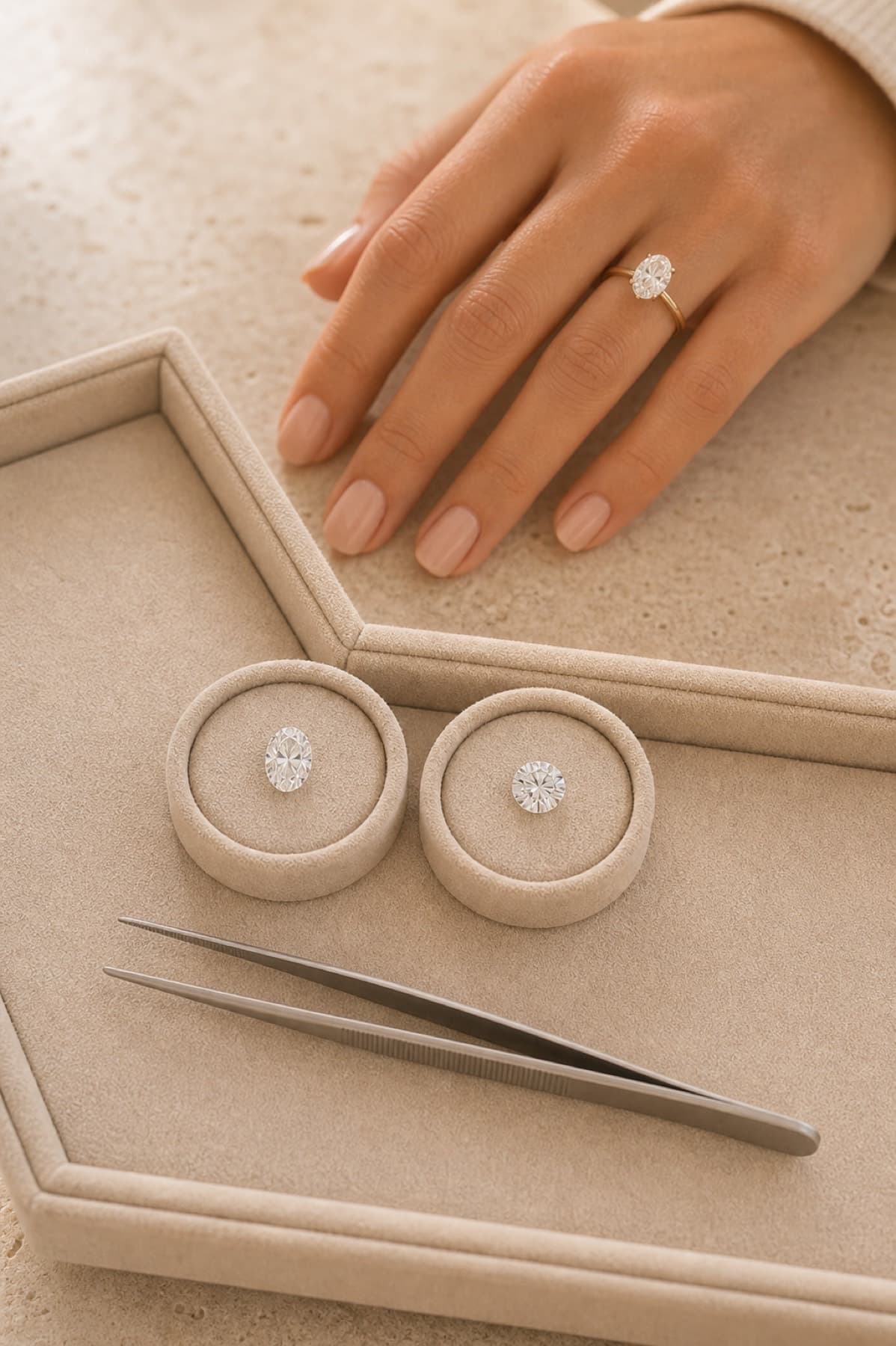
I don't keep a showroom because I've never needed one. Most of my week is wholesale, buying and selling diamonds and gold. Clients start with a call, and the rest can run entirely by phone, text, and video. When someone wants to see the stones for themselves, we sit down at the Jewelers Exchange, in the business my family has worked in for decades. Either way the stones were sourced for you, not for a case.
Privacy changes the conversation too. Budget, family expectations, proposal timing: these are easier to talk about at a quiet desk than over a glass counter, especially when one partner is shopping alone with a phone full of screenshots.
When a jewelry store is the better choice
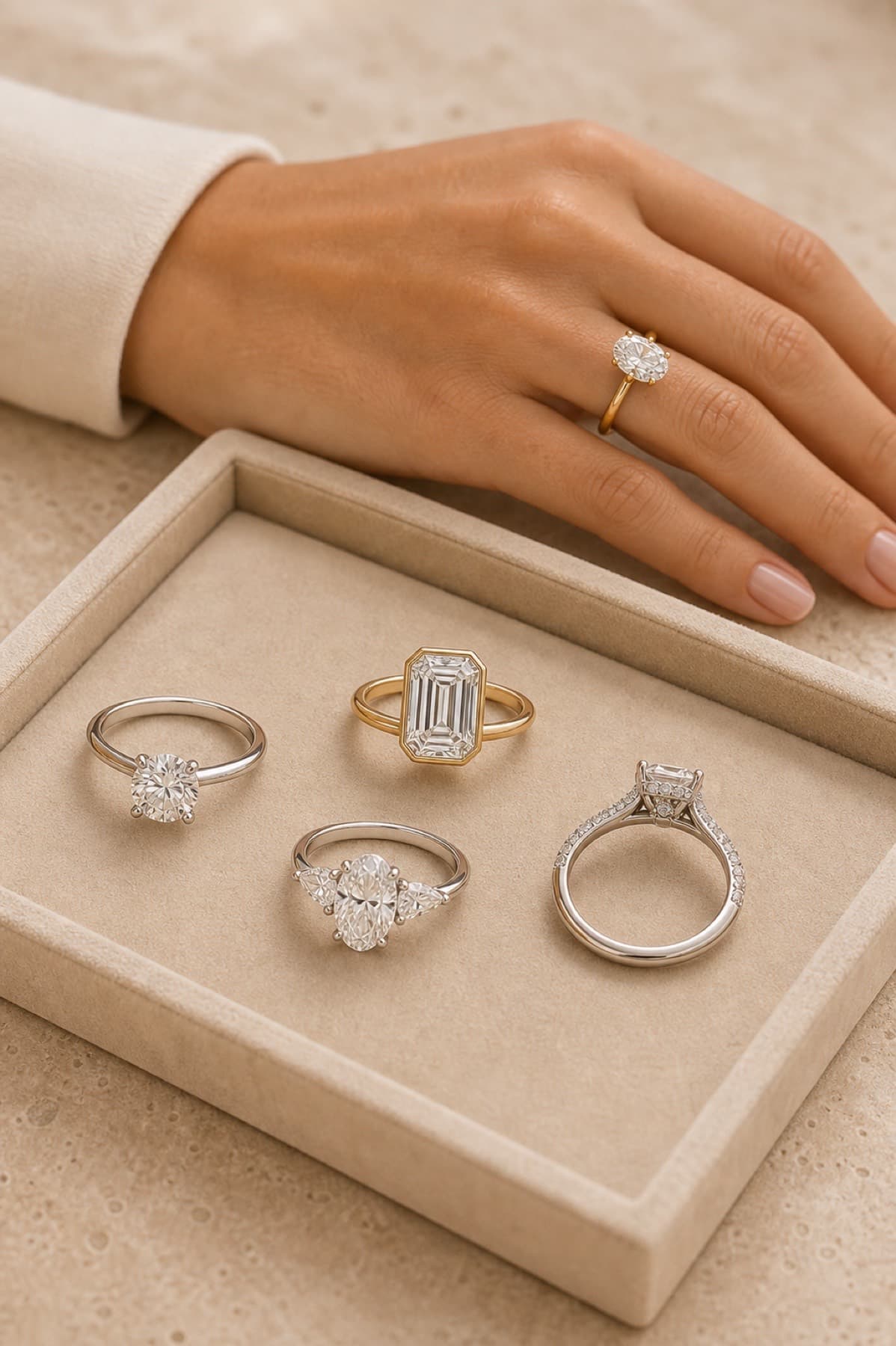
There are real cases, and I would rather name them than pretend otherwise. If you need a ring in your hand this week, buy a finished one from a store; my rings take 14 to 30 days because the stone is sourced after we agree on a design. If you want to browse dozens of finished rings on your own schedule with no appointment, a store is built for that and I am not.
And if what you want is a plain band with no center stone, you may not need me at all. Knowing when to send someone elsewhere is part of the job.
A private model still needs discipline
Private does not mean vague. You should still get the diamond type, shape, setting direction, timeline, and numbers defined clearly, in writing, before any deposit. If a private jeweler can't put the plan on paper, treat that exactly the way you'd treat it from a store.