
Guide
Custom vs Semi-Custom vs CAD
By Andrew GonzalezGIA Diamonds Graduate7 min readUpdated
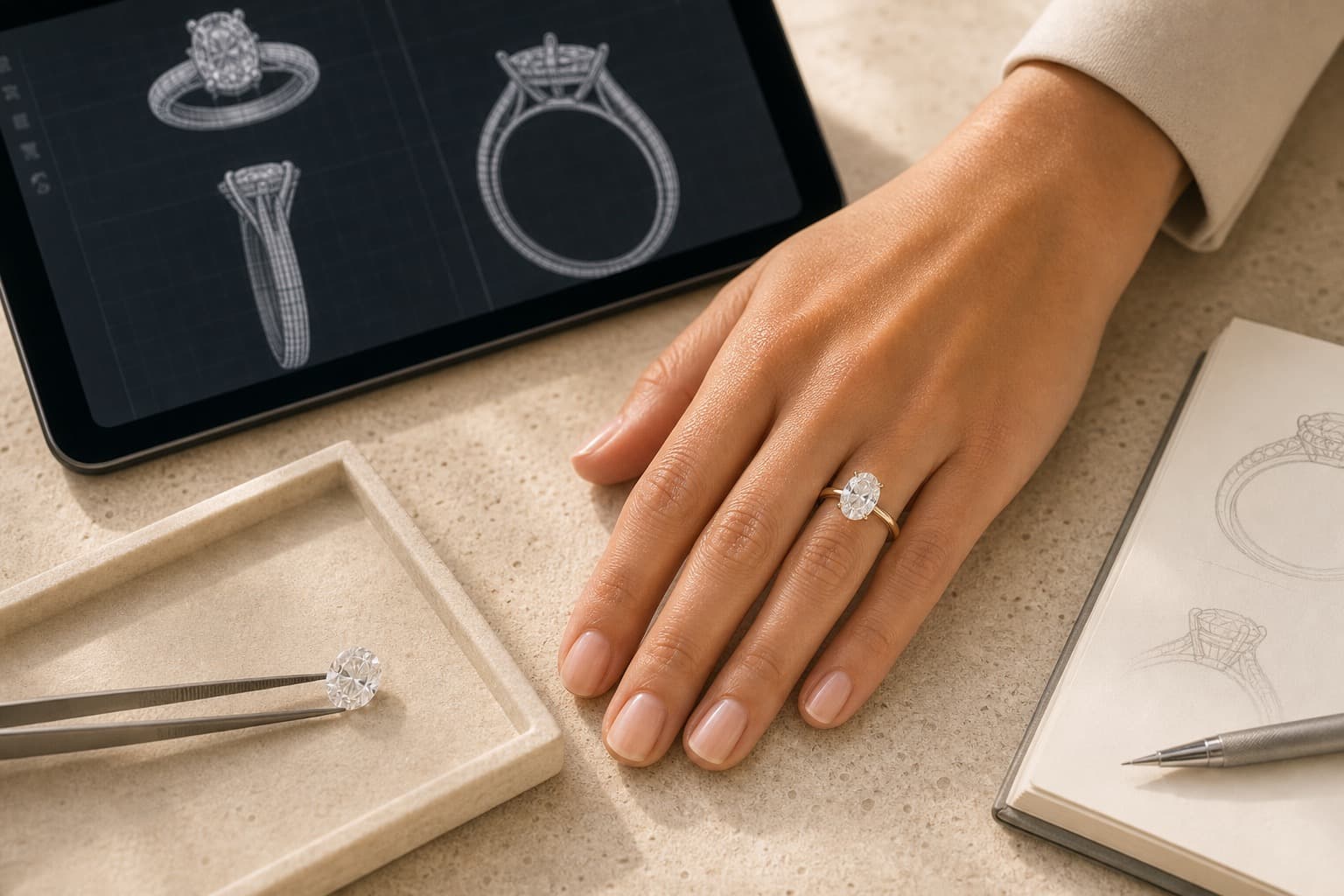
Custom is the most over-sold word in jewelry. Some jewelers use it to mean CAD, computer-aided design, a 3D model of the ring drawn on screen, and charge for that whether the ring needs it or not. Some websites use it to mean you picked the stone from a drop-down. Here's how I use it: there are three levels of custom, and the right one is whichever gets you the ring you're picturing with nothing wasted on the way there.
Level one: made to order from a proven design
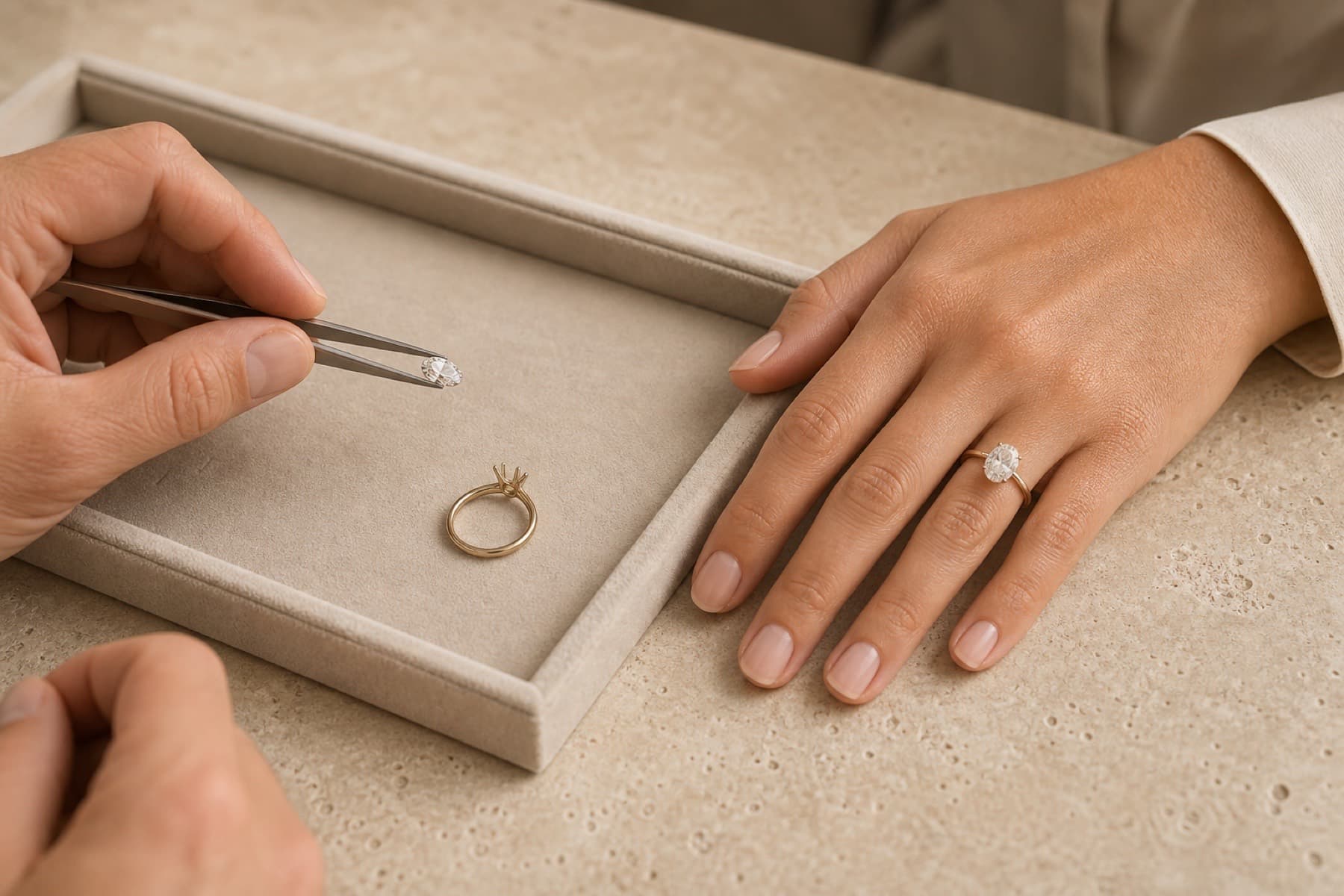
A well-made setting may already have exactly the right architecture. The work is choosing the right stone for it, sizing the head and basket, the parts that grip and cradle the stone, and deciding the metal, the profile, and the band width. The ring is still built for you and around your diamond; it just doesn't need a new design. This is more of my rings than people expect, and it's where a lot of the budget stays in the stone.
Level two: a modified setting
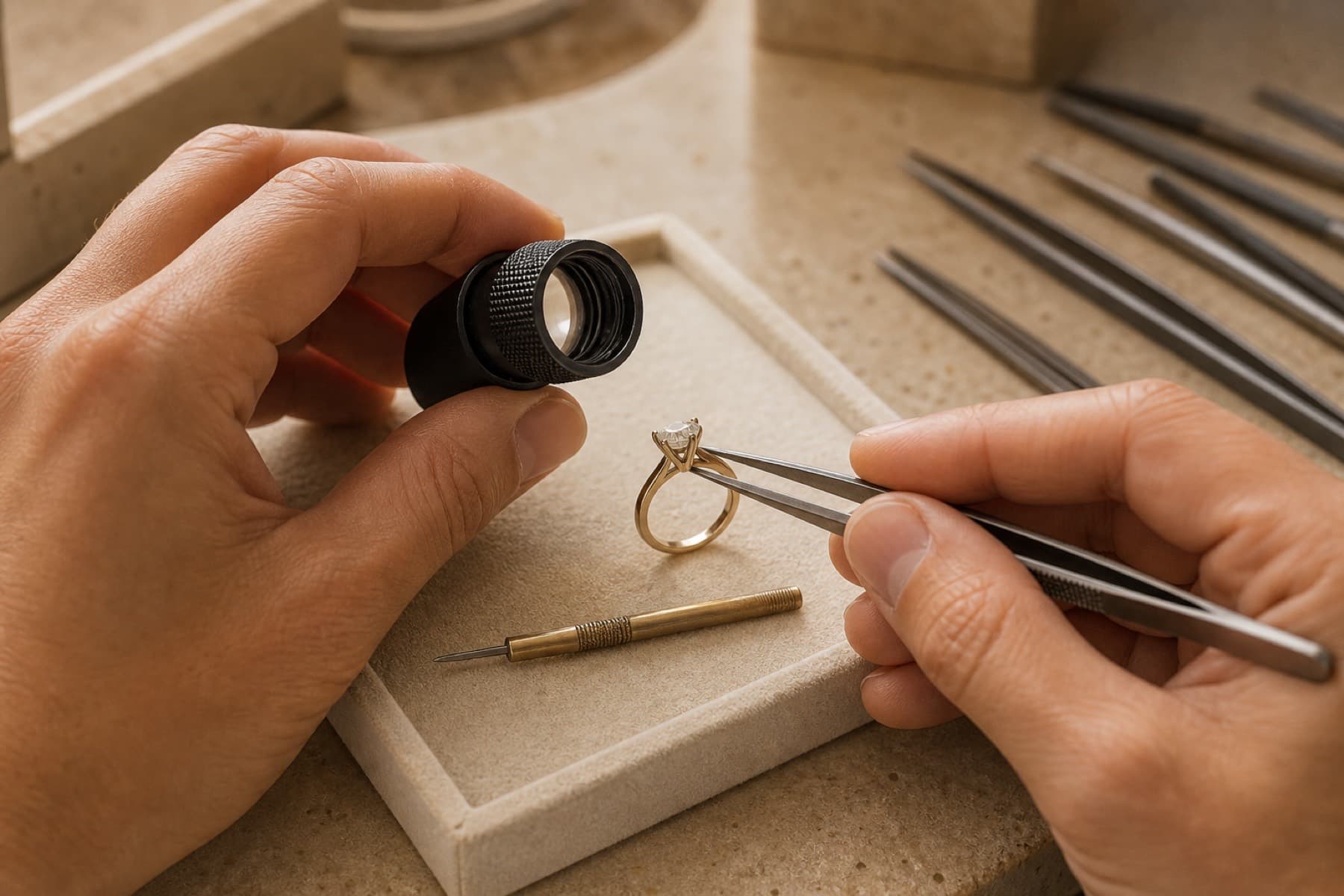
The foundation is close but something's wrong: the basket is too high, the prongs are wrong for the shape, the band is too thin to hold up, the wedding band would leave a gap. Those get changed by hand, or with a small design adjustment. You keep the part you loved and fix the part you'd have lived with.
Level three: full custom in CAD
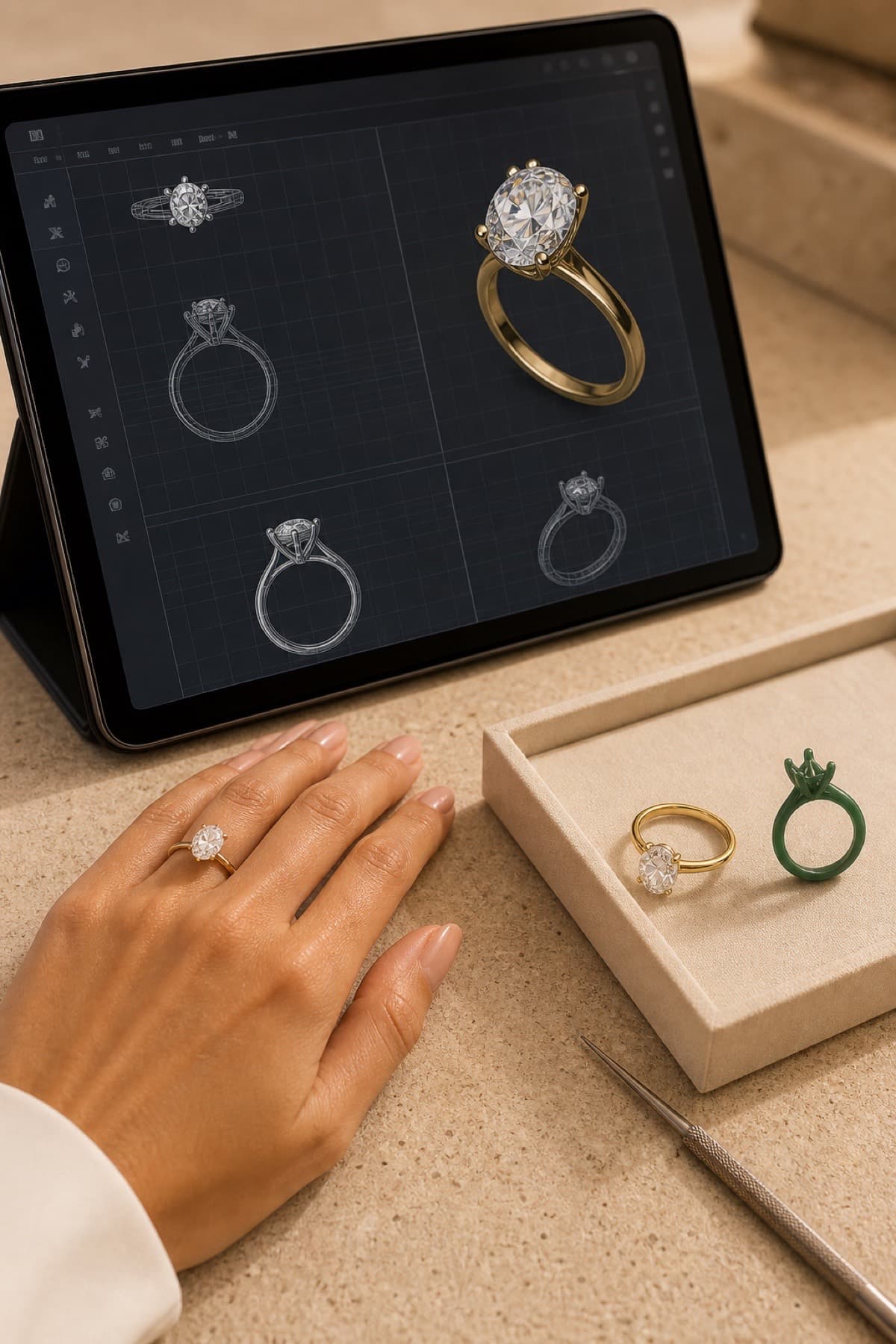
The ring only works if the architecture changes: an unusual stone, two stones that have to sit together, a side profile that matters, a photo of a ring that doesn't exist yet. CAD builds a precise 3D model around your stone's exact measurements, you approve it from the top and in profile, and the ring is made from it. It's the right tool when the ring needs it.
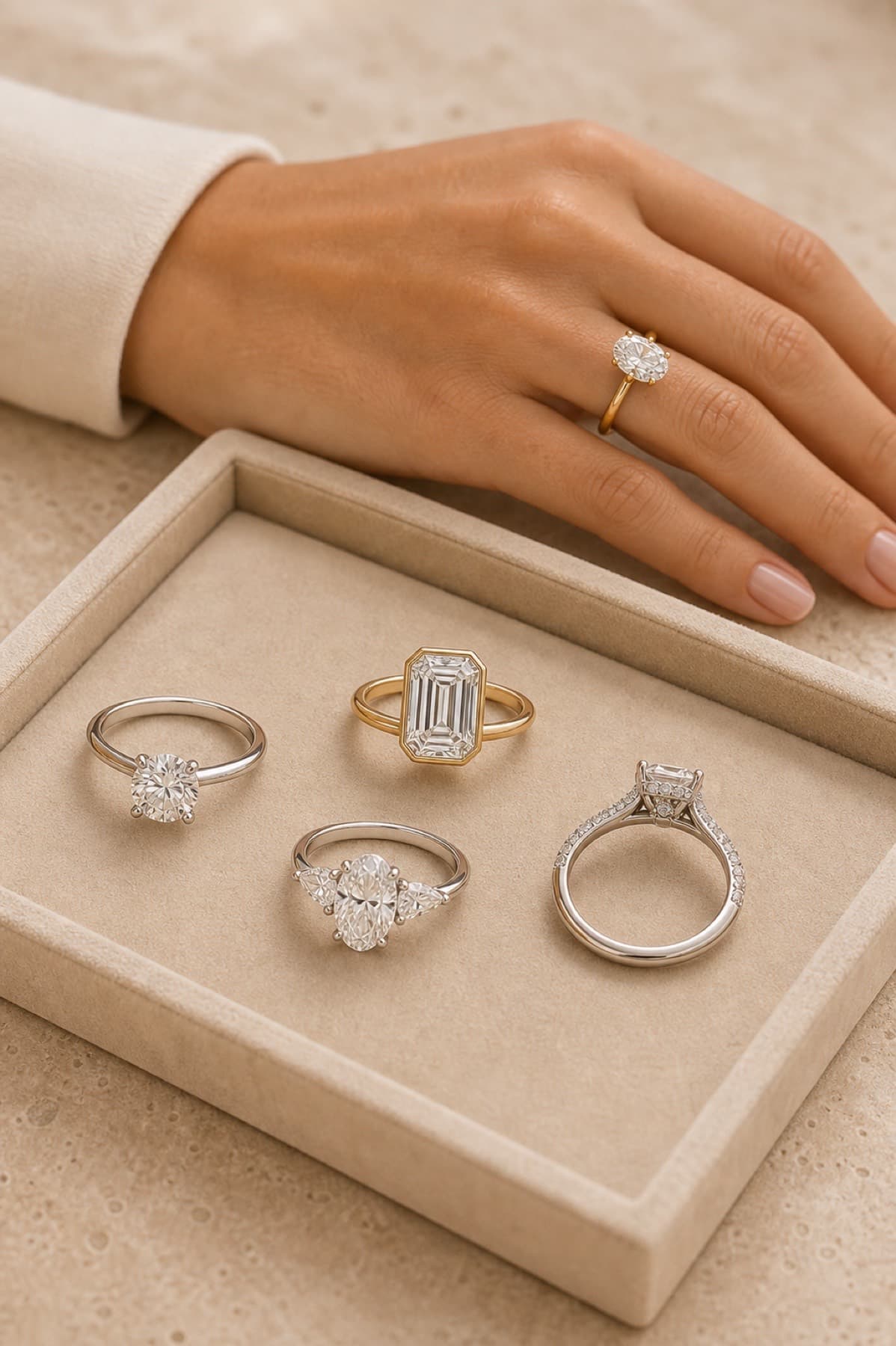
Four rings, four answers
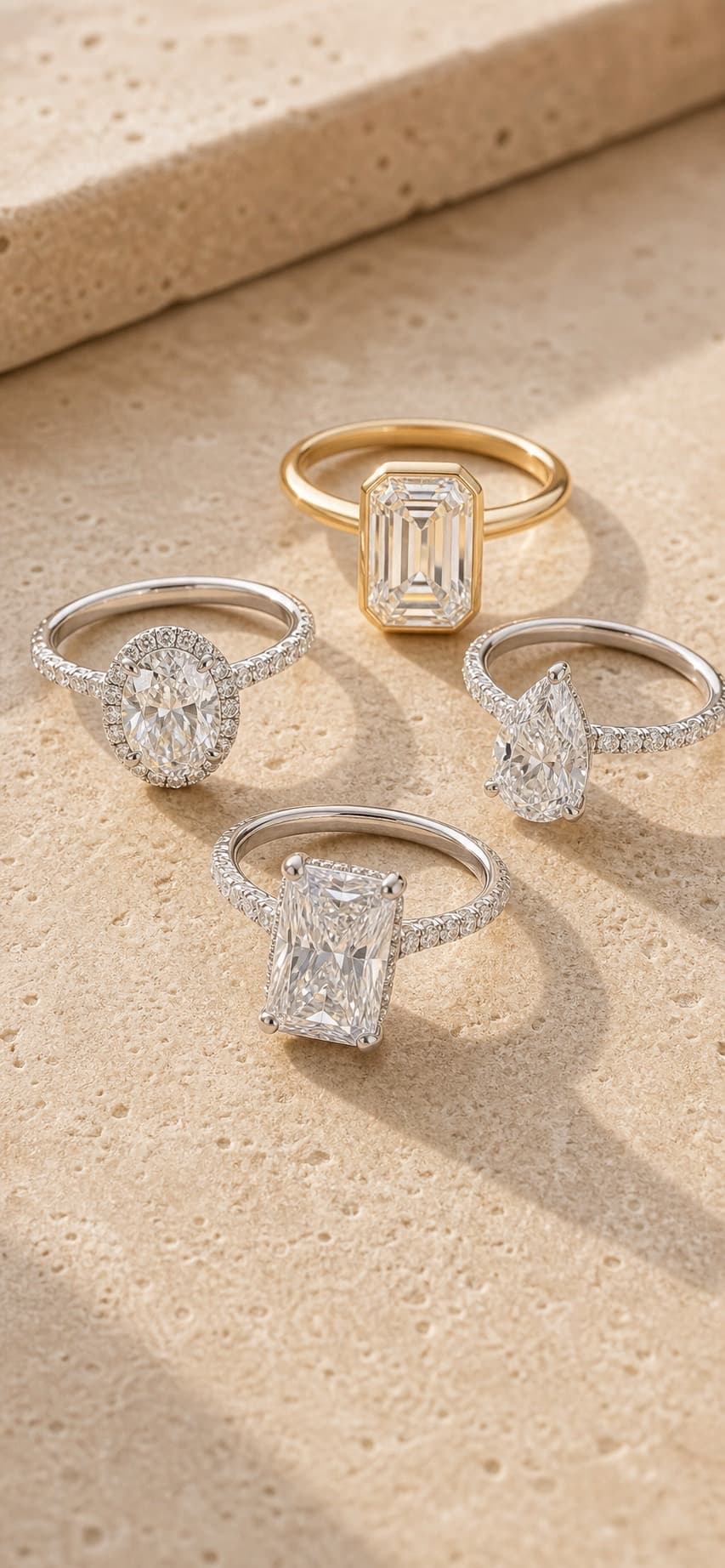
These are illustrations, not clients, but each one comes up every month.
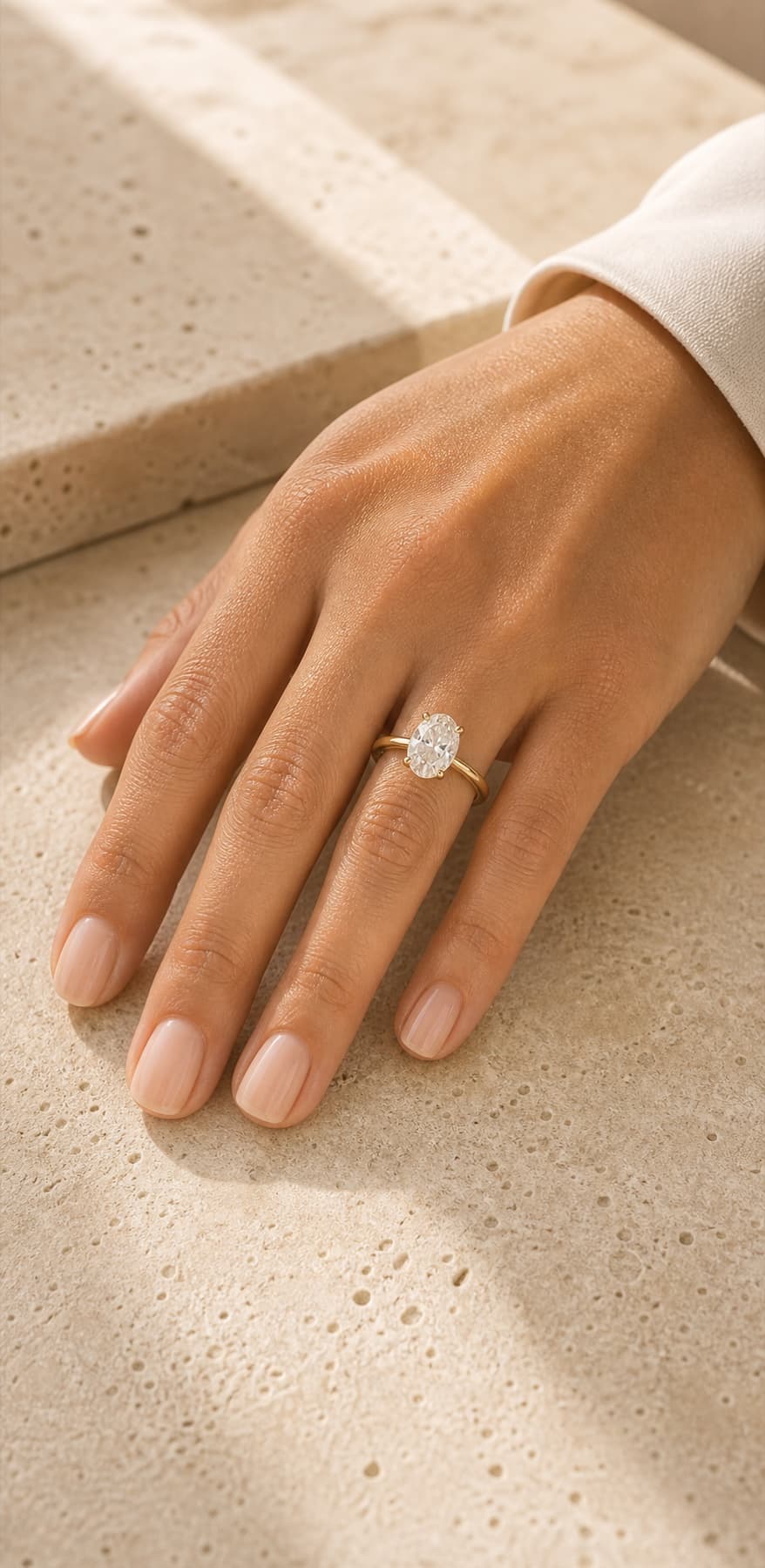
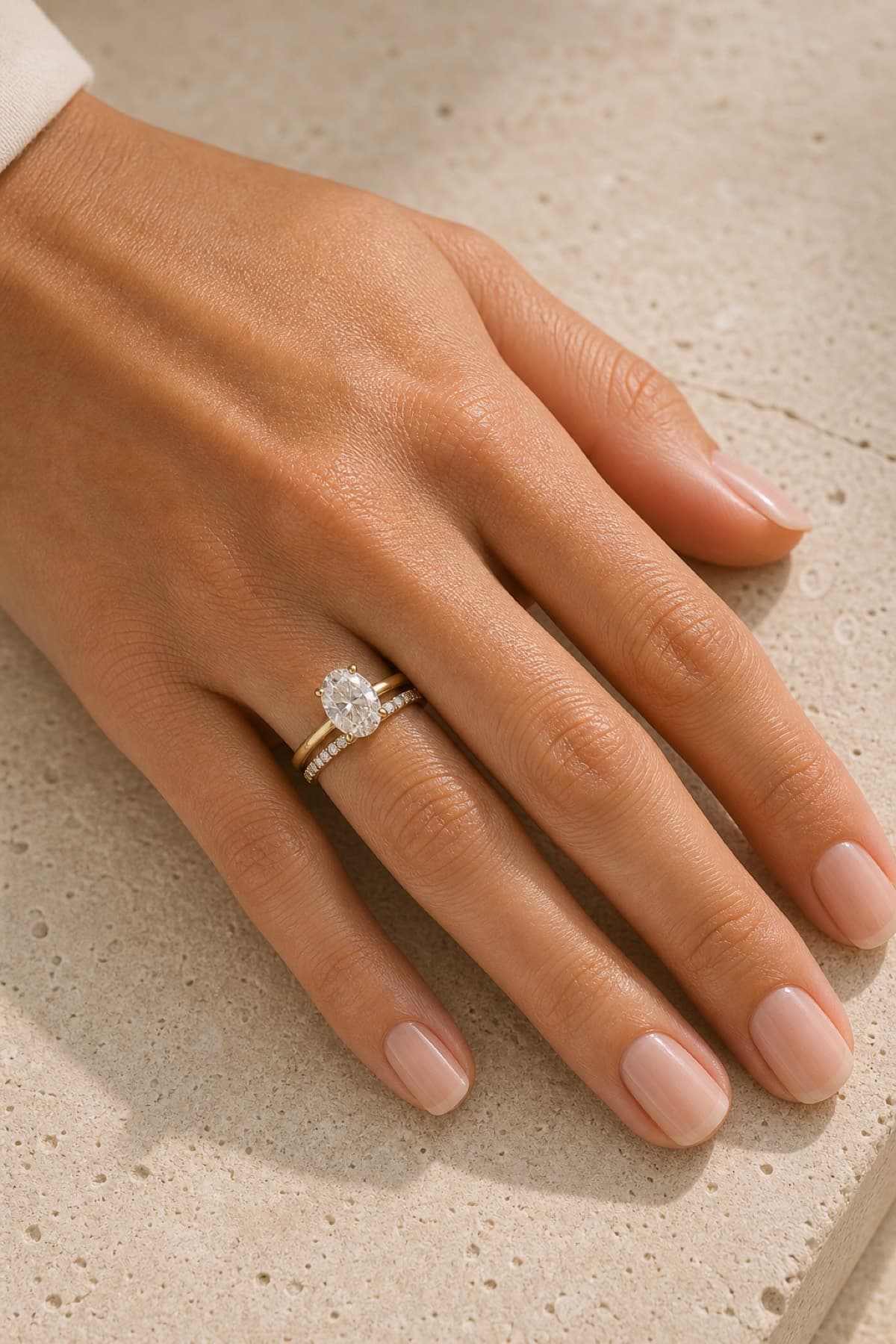
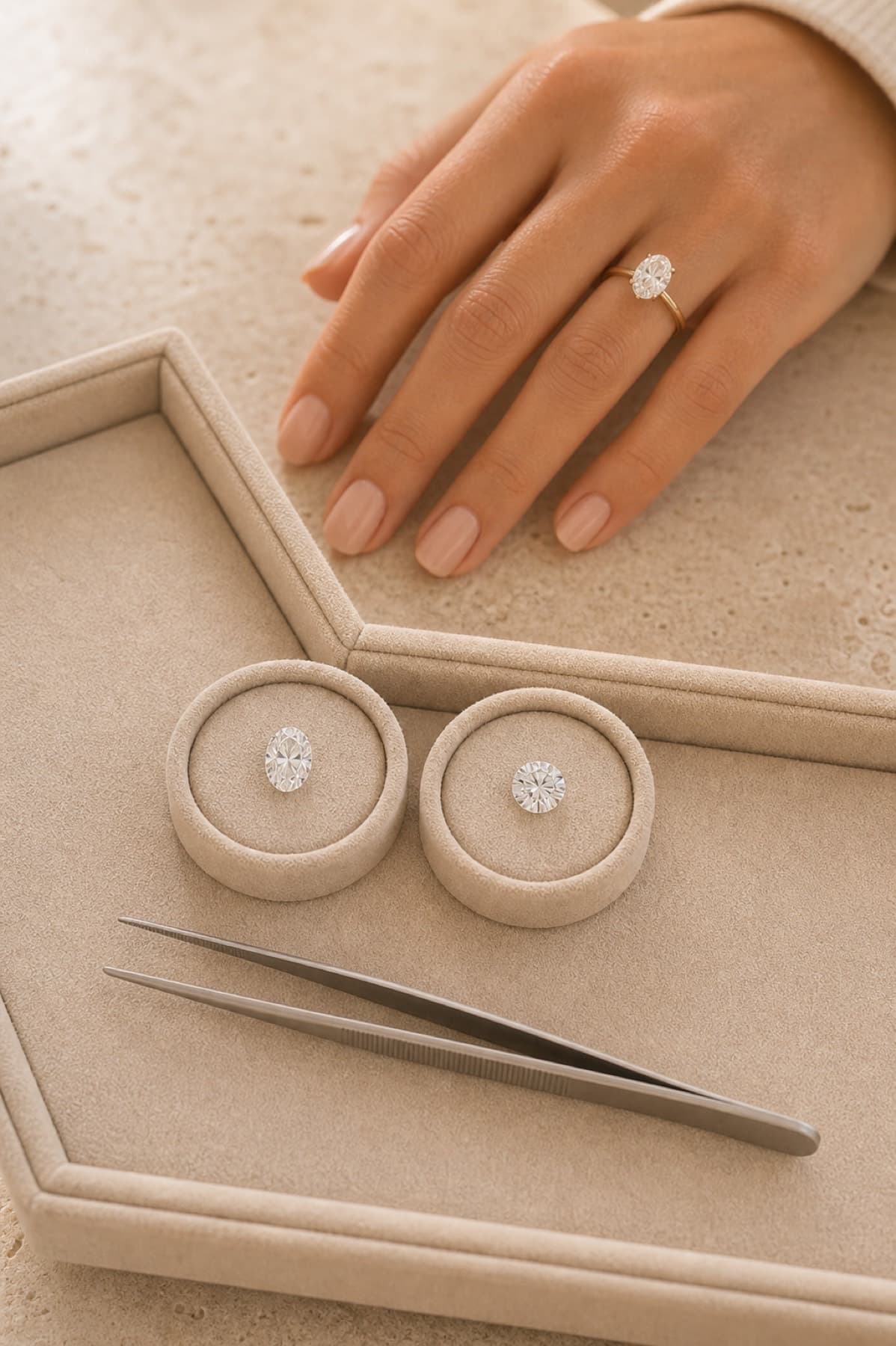
A 1.5-carat oval she saw in a classic four-prong solitaire. The setting is fine; the stone is the decision. Level one.
The same oval, but she wants a flush band and the solitaire's basket sits too high. Lower the basket, plan the band. Level two.
A pear and a sapphire she wants together in a toi et moi, French for you and me, one ring holding two stones, and she wants it low. Two stones, a profile that matters, nothing off the shelf. Level three.
Her grandmother's old European cut, chipped at its edge, into something she'll wear daily. The stone gets looked at first; then it's usually level two or three, because old cuts want settings made for them.
What each level does to the number
Level one keeps the budget in the stone. Level two adds hands-on work or a small design step. Level three adds the CAD work and a model before casting. None of those is good or bad; what's bad is paying for level three when level one was the right ring. I'll tell you which yours is before the number exists.
The decision test
If you like 80 percent of a setting and the remaining 20 percent can be changed cleanly, semi-custom is enough. If the ring only works when the architecture changes, it's CAD. If you're not sure, send me the photo and the stone; the answer takes me about a minute, and what each path costs follows from it.