Andrew Gonzalez — Luxury Custom JewelerLuxury Custom Jewelerby Andrew Gonzalez

Lab-grown diamond design

Choose a lab-grown diamond with the same care you’d give any important stone.

A laboratory-grown diamond, lab-grown from here on, can make room for size, shape, or setting priorities the same budget won’t reach with a natural stone. It still deserves a trained eye: the report leaves out as much for lab-grown stones as it does for natural ones.

GIA Applied Jewelry Professional (AJP) · 30+ years in the trade · By appointment at the Jewelers Exchange, first floor

Text Andrew a Photo
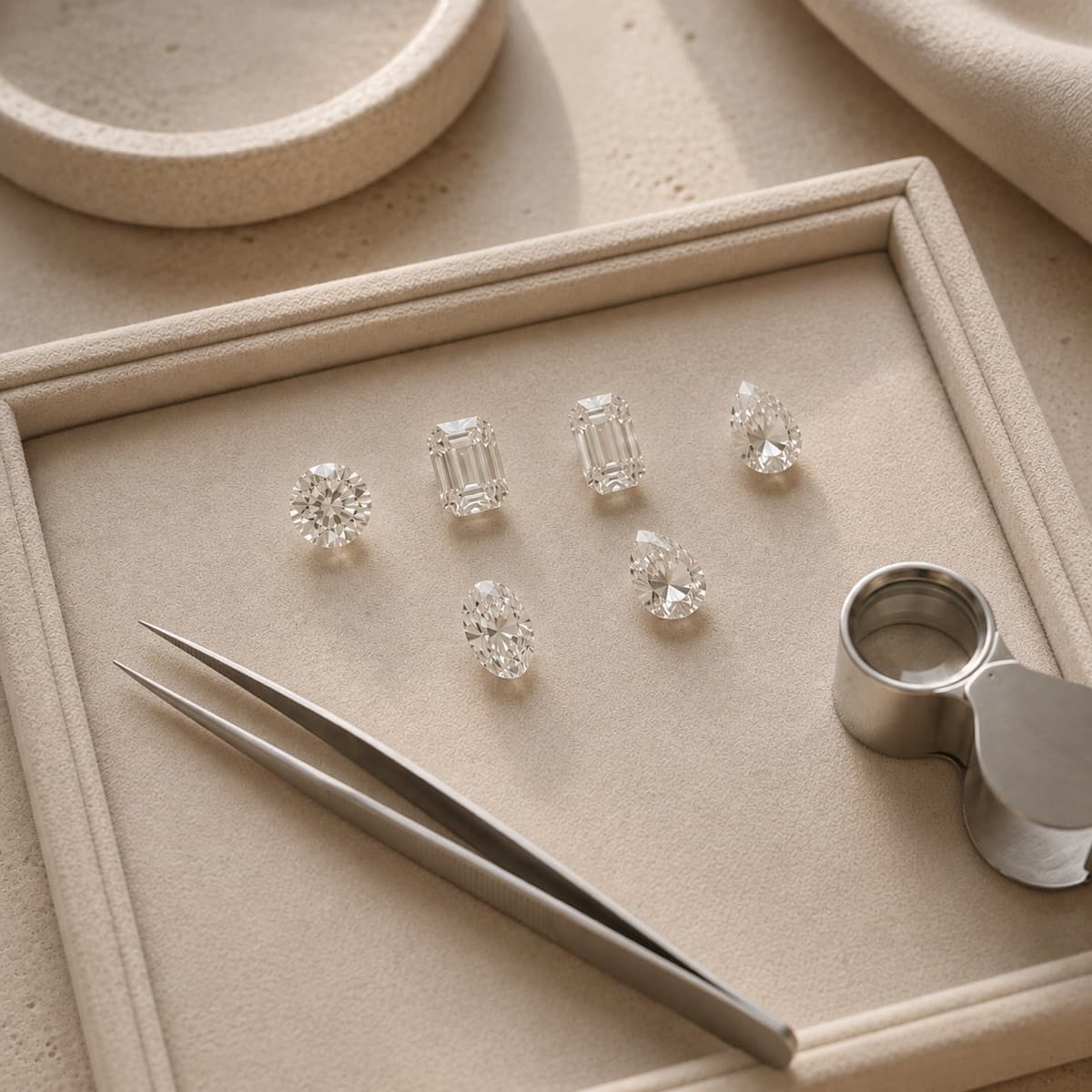
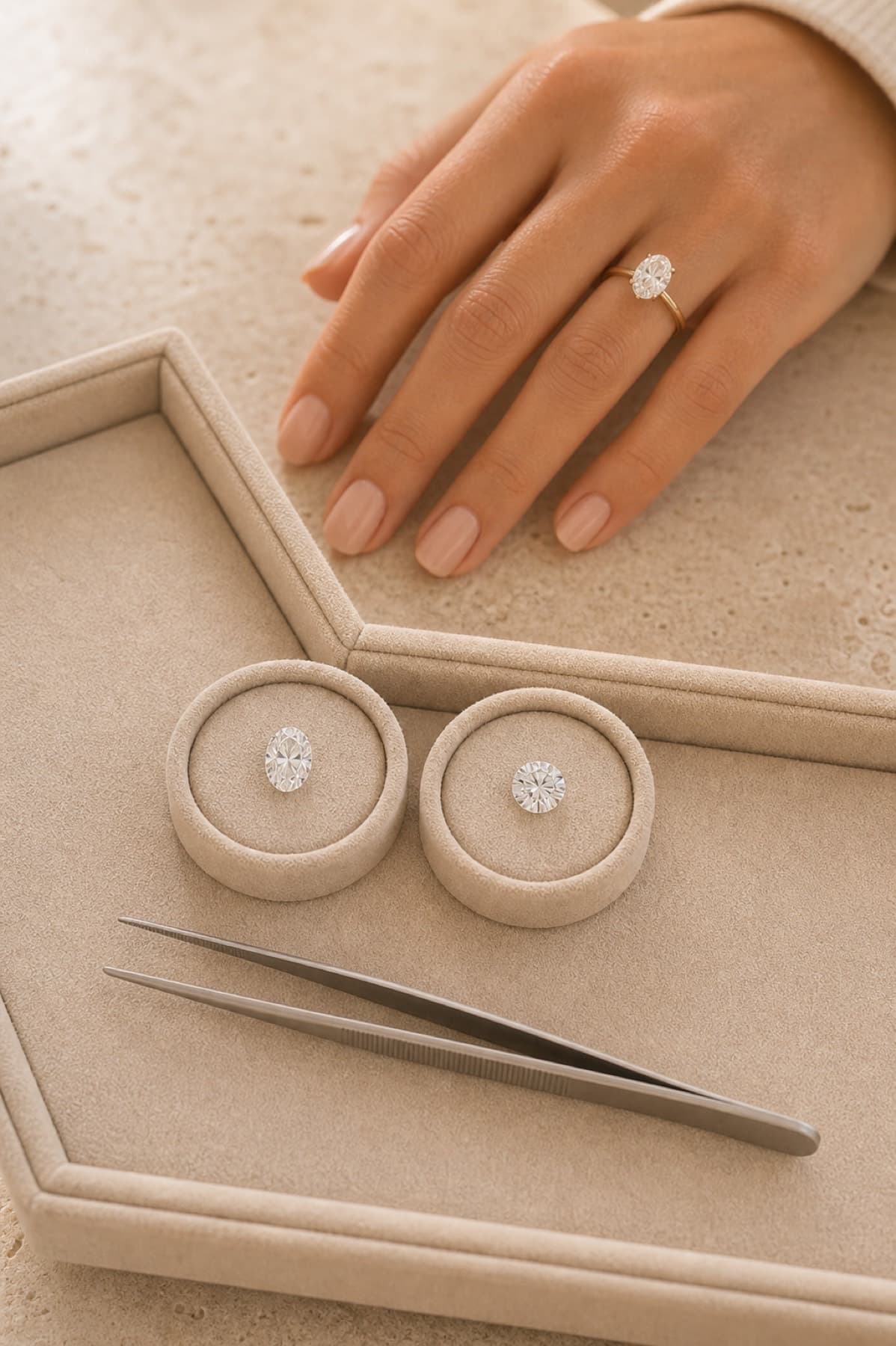
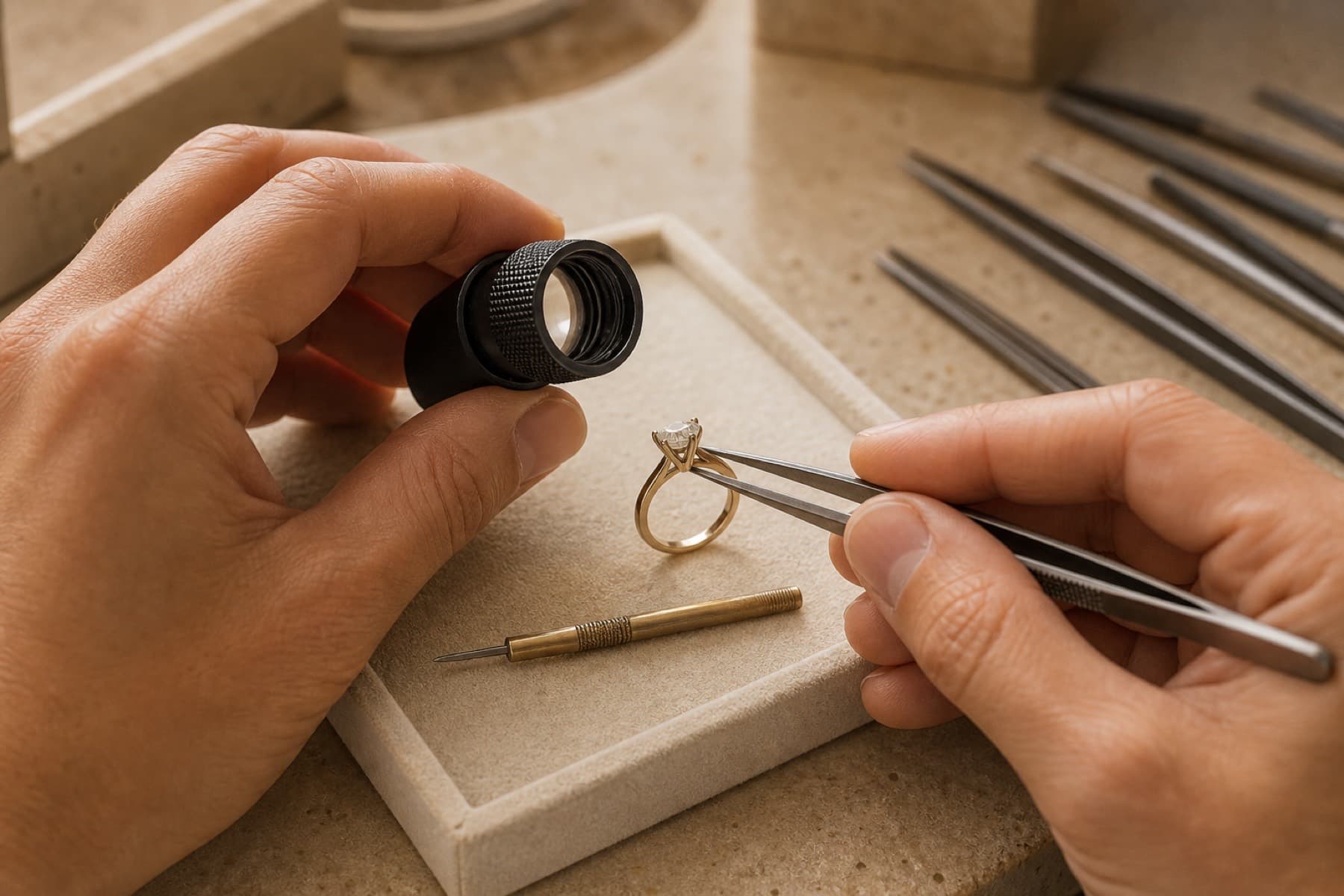
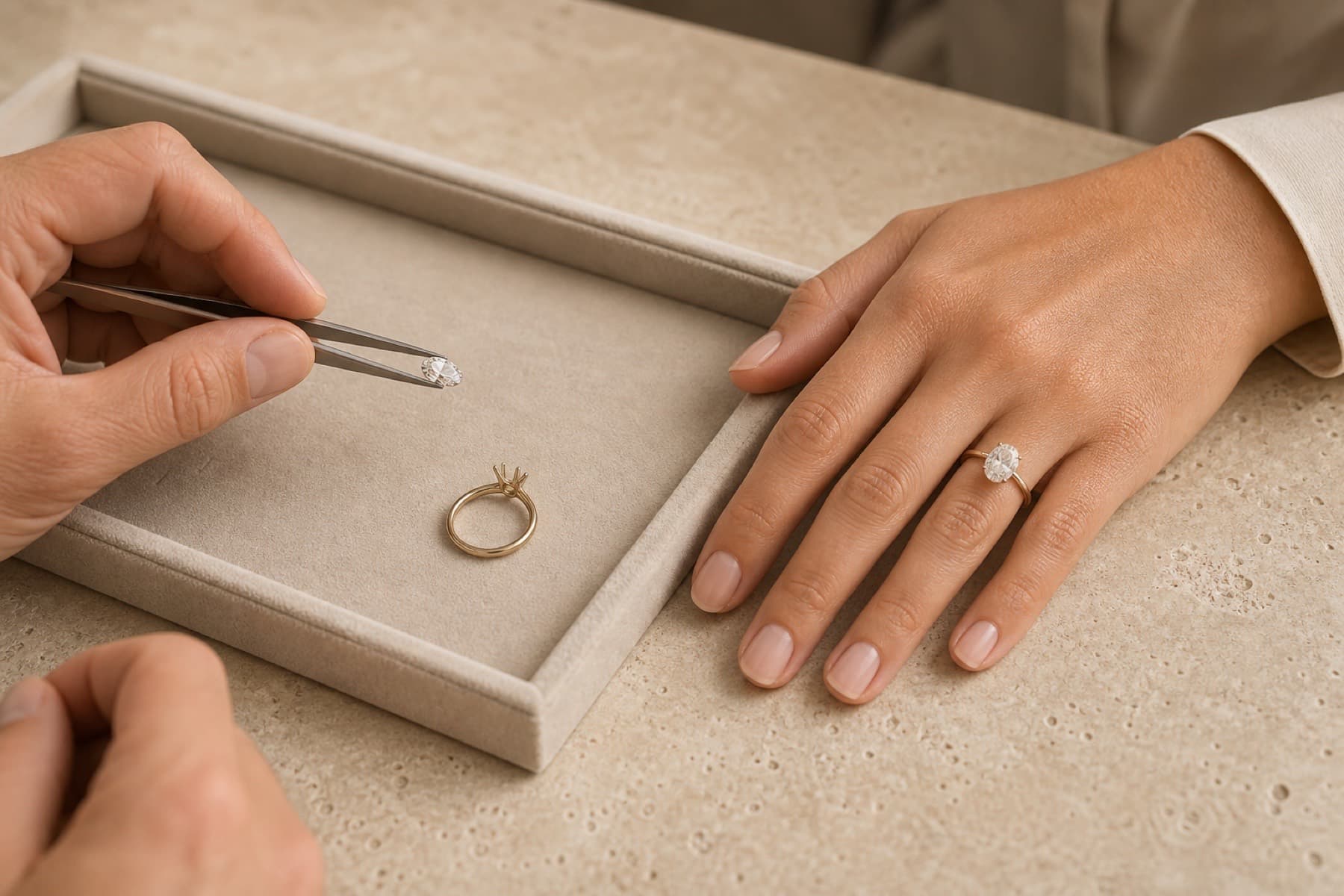
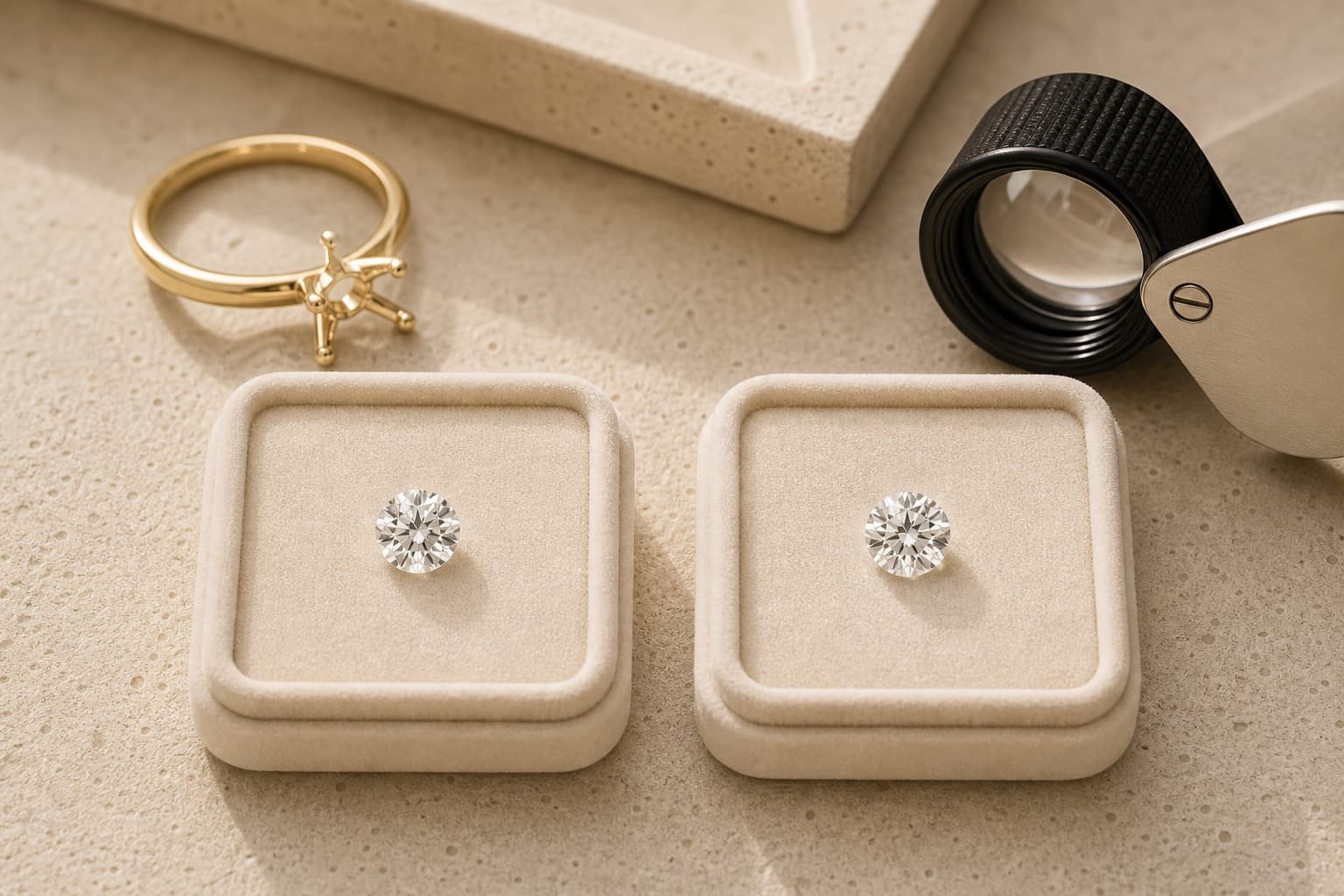
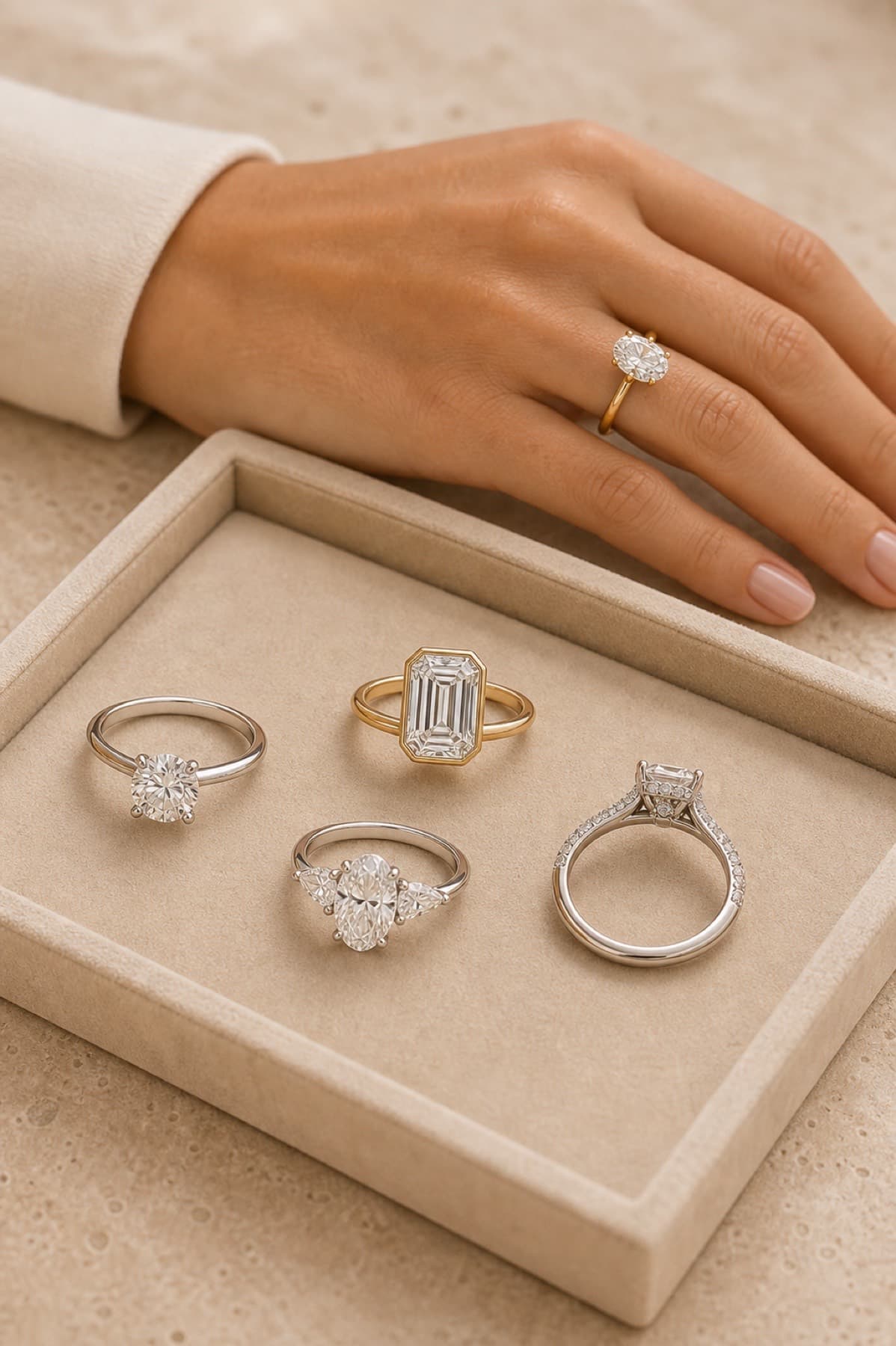
Loose diamonds and a simple engagement ring in a private jeweler's studio consultation tray
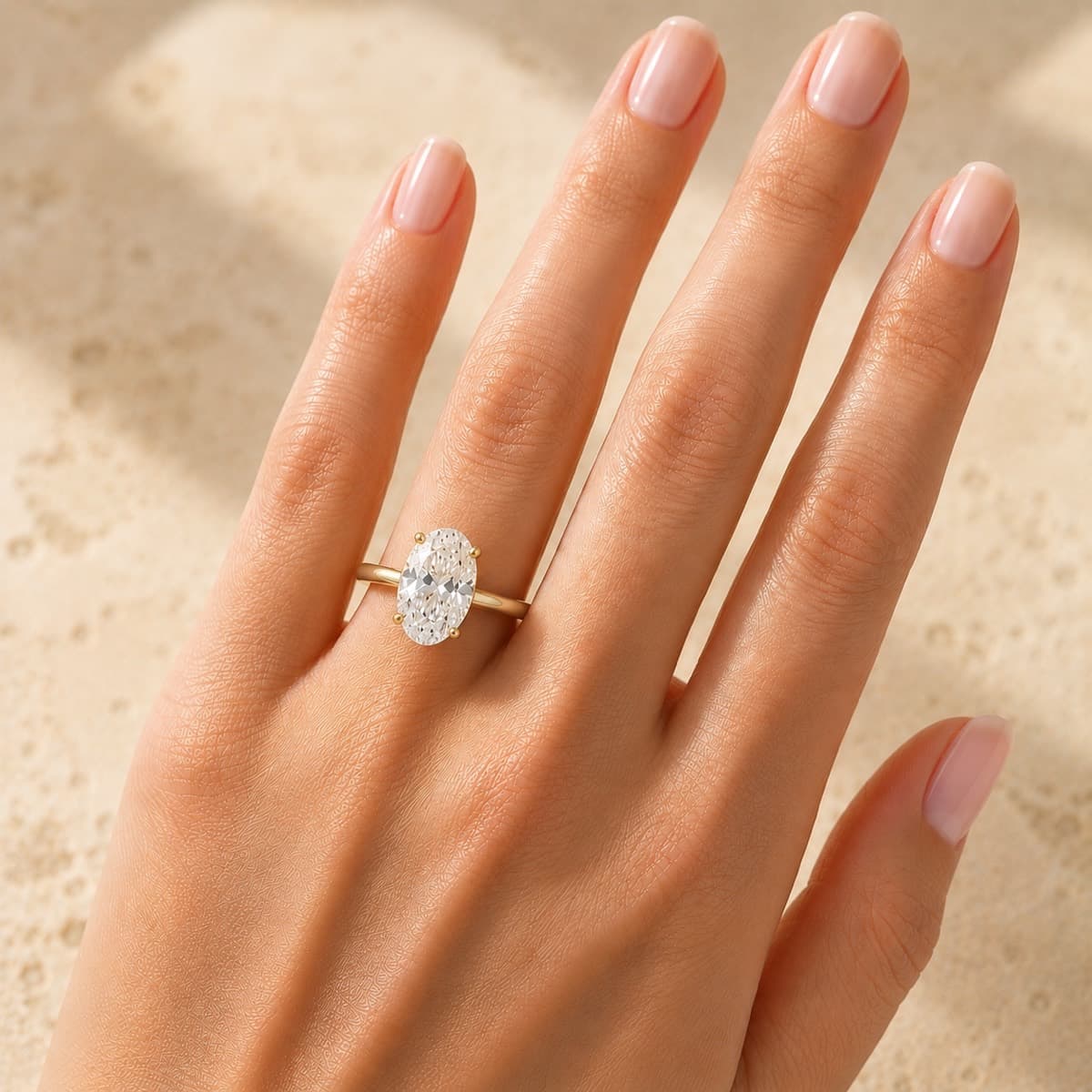
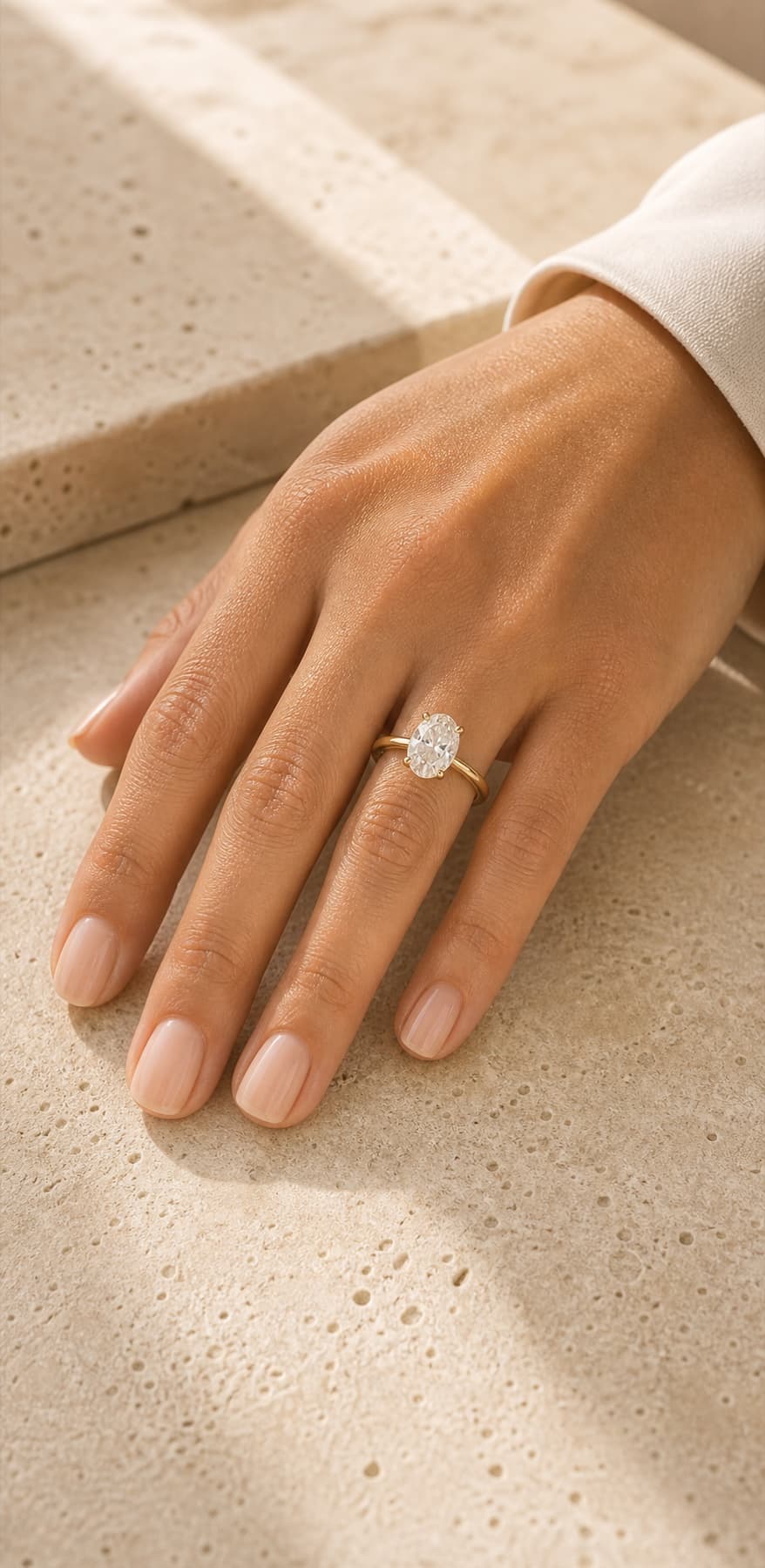
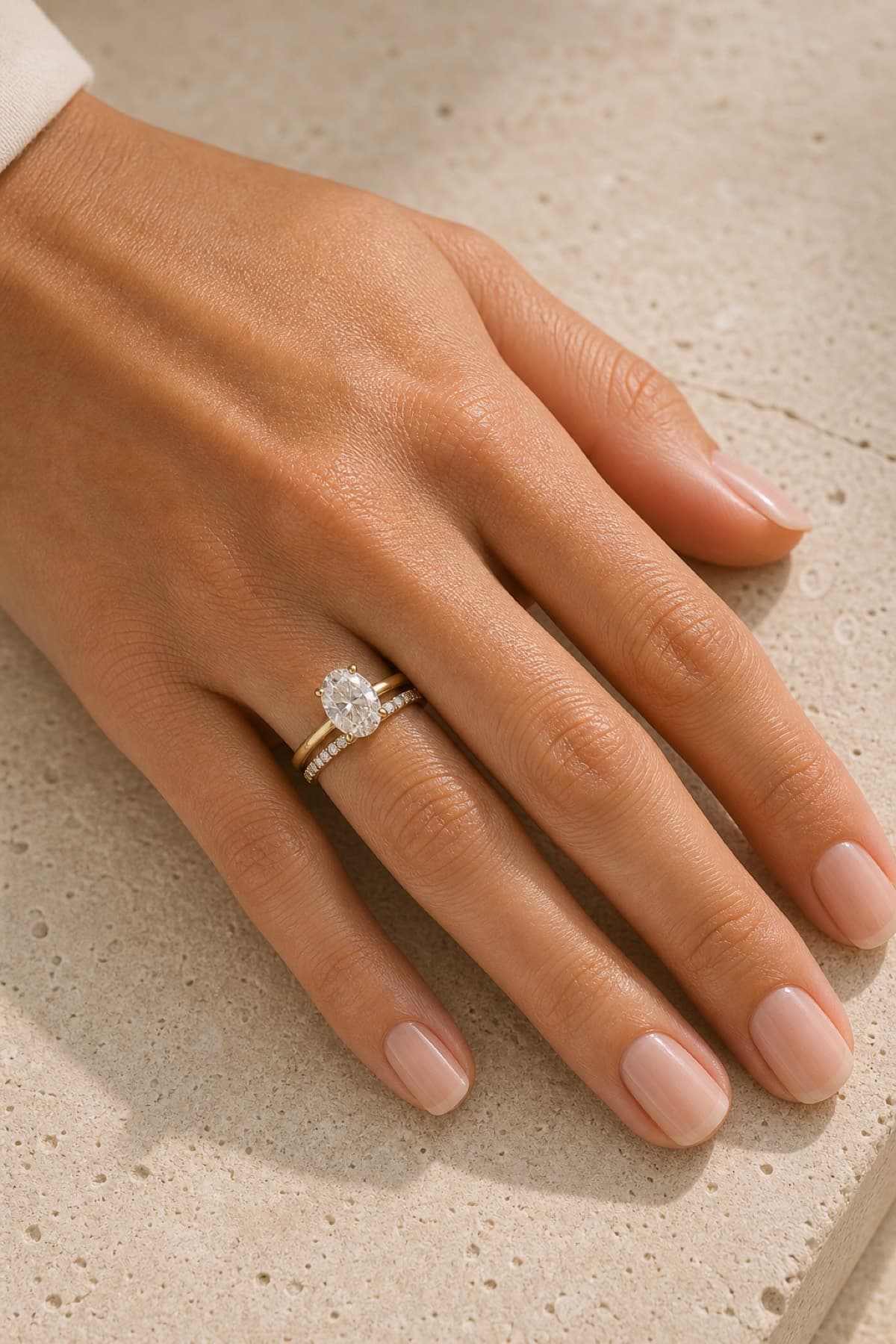
AI-generated inspiration imagery.

What gets decided

The same standards apply, whatever the origin.

Cut behavior, transparency, inclusion placement, and face-up presence decide how a lab-grown stone actually looks, and none of it is on the report. I source, reject, and shortlist by eye, then you choose in person.

01

More than a grading report

Lab-grown diamonds get graded on the same scales as natural ones, and the paper has the same blind spots: where the inclusions sit, whether the stone is crisp or milky, how an oval or cushion actually performs with no cut grade to lean on.

The goal is never the biggest stone the budget allows. It’s the right stone for the ring and the person wearing it, which is a judgment call made in person.

02

What the budget unlocks

Because lab-grown shifts the price conversation, couples often step up in size, choose a more involved setting, or fund the matching band at the same time. I’ll show you exactly what each path costs so the choice is yours, not the paperwork’s.

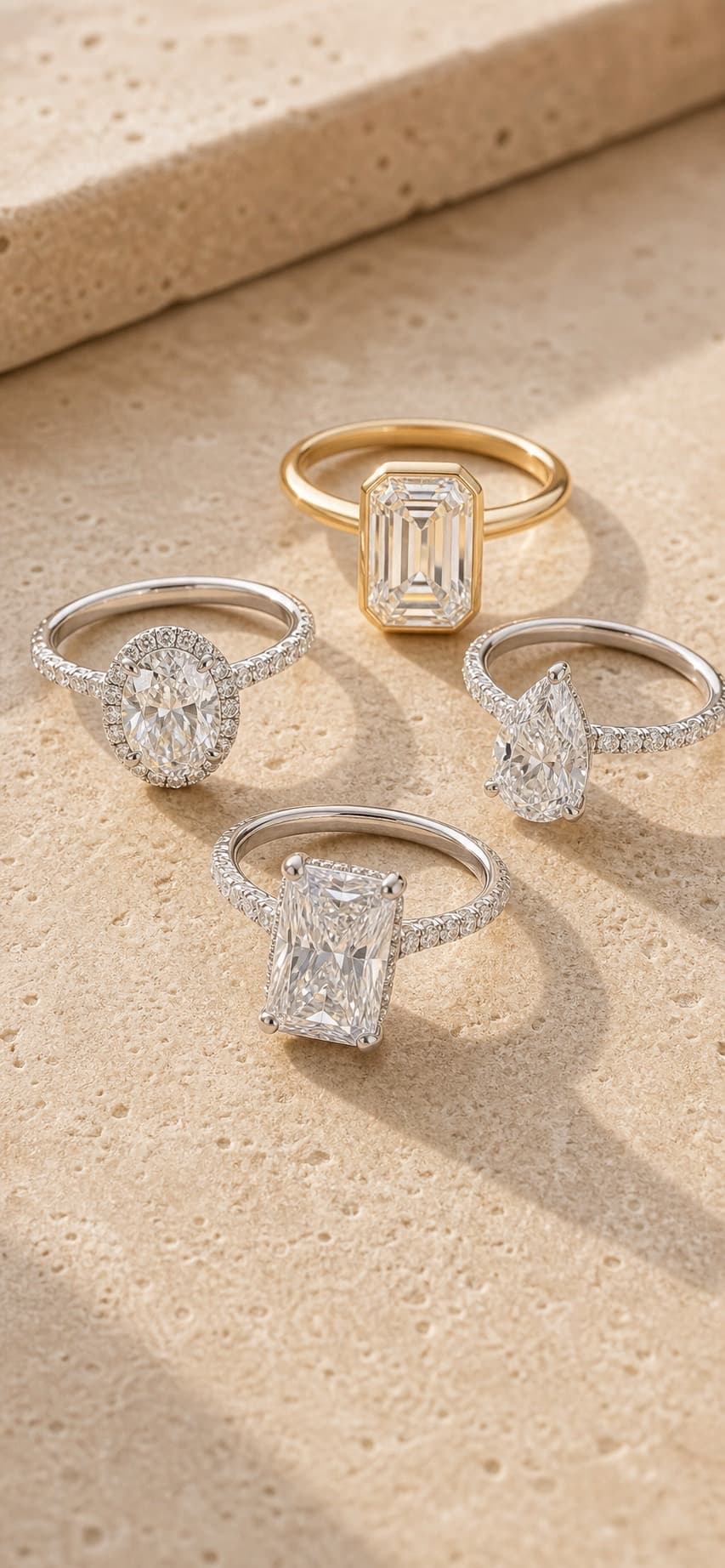
  • Oval, radiant, cushion, emerald, round, pear, and marquise options.
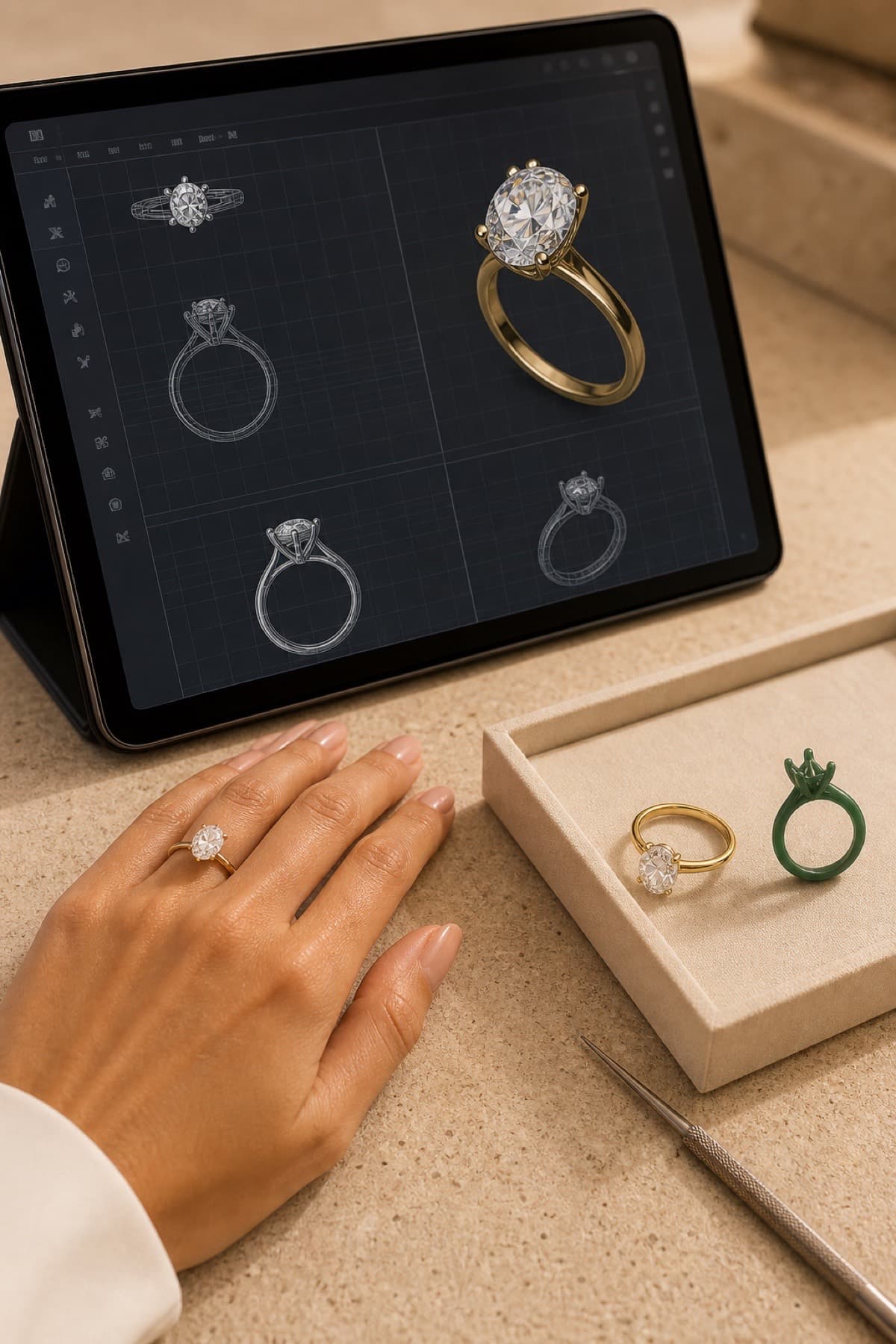
  • Custom settings, modified settings, and CAD-built designs.
  • Natural comparisons on the same desk whenever you’re undecided.

03

A clear distinction, zero pressure

Lab-grown and natural differ in origin and in how the market treats them, and I’ll say so plainly. I hold no inventory in either category. There is no stone here waiting to be moved, so the comparison stays honest.

Inspiration, not inventory

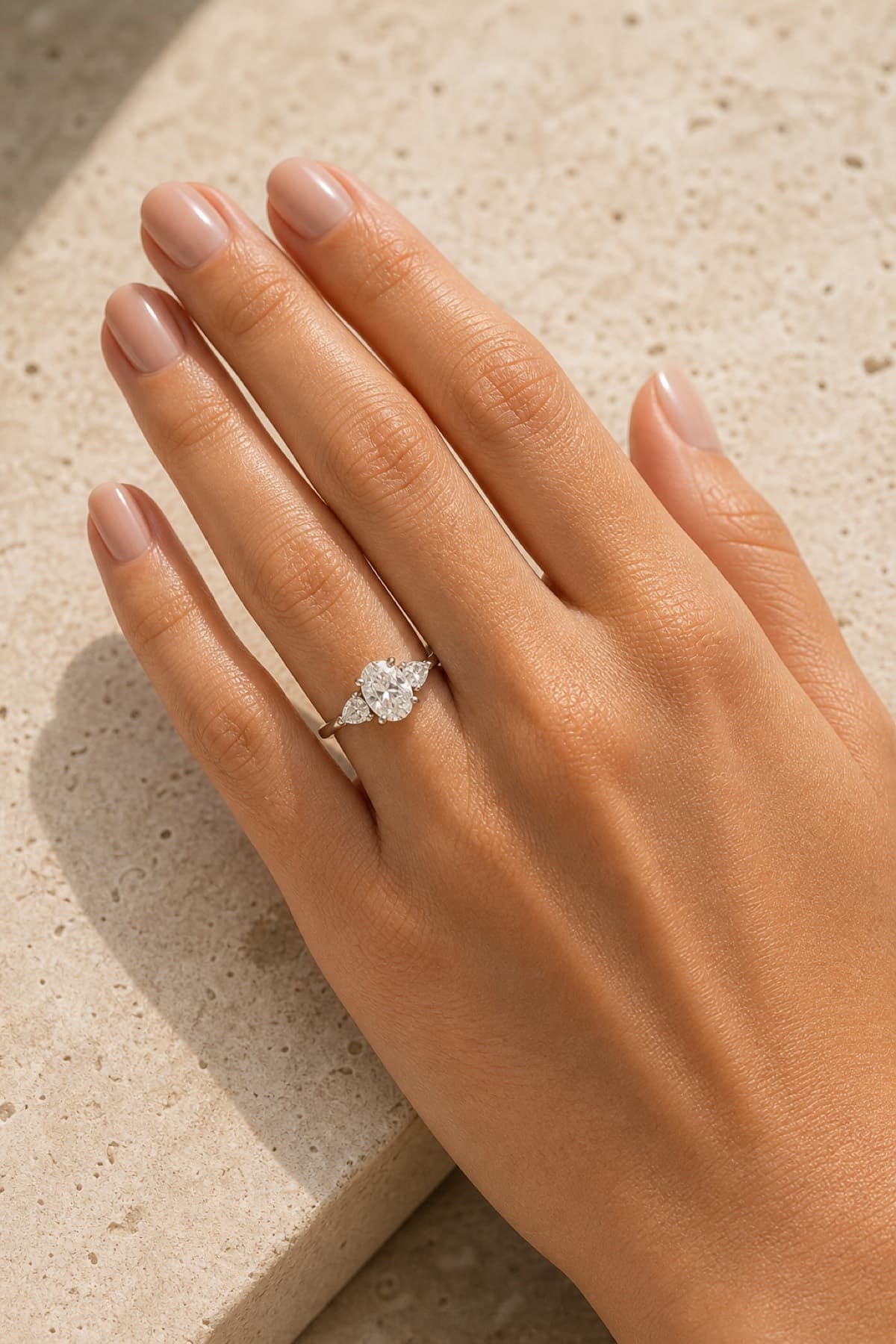
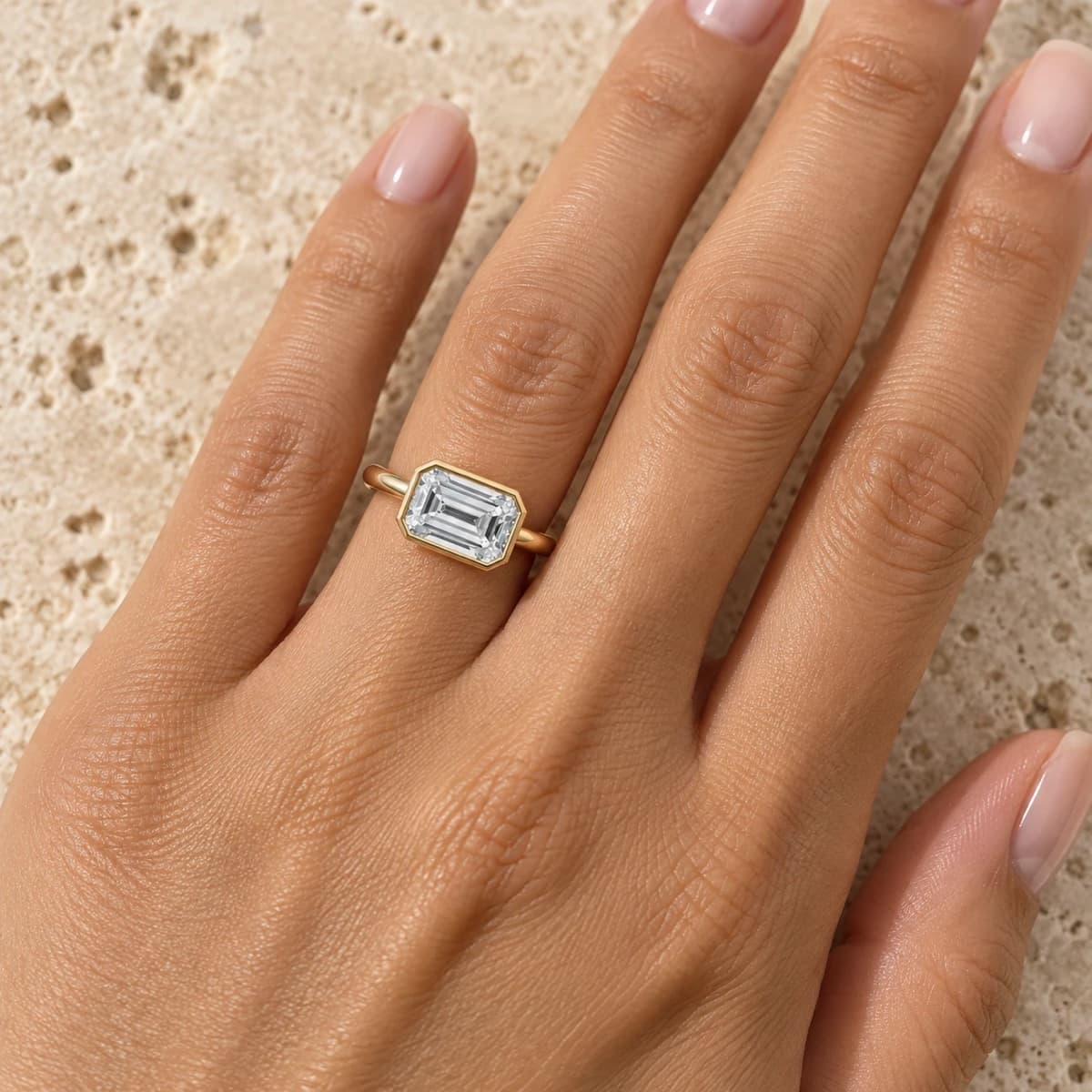
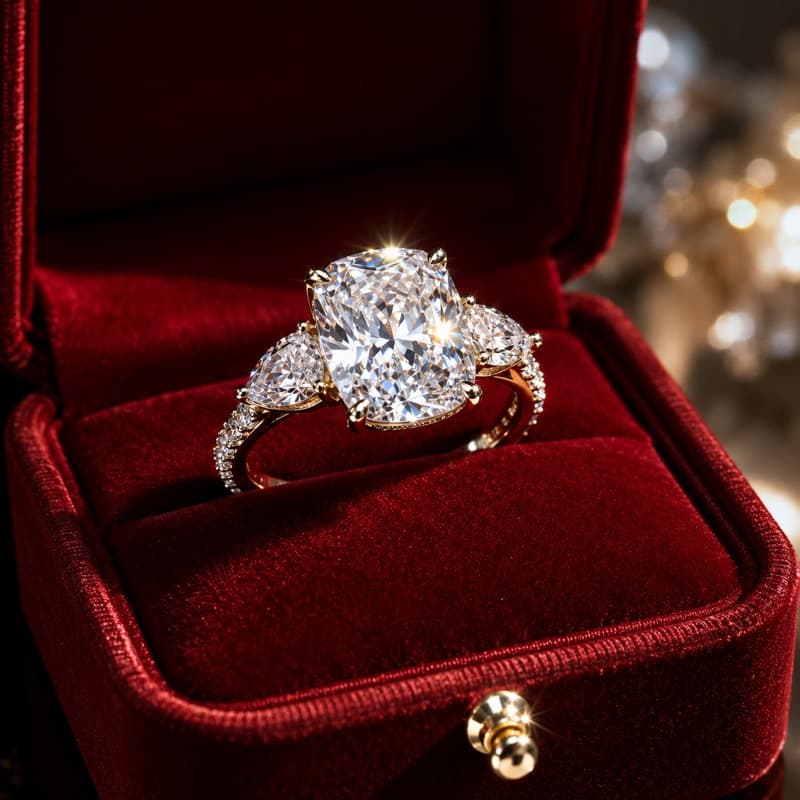
Design directions to customize

View all directions
We came in with a screenshot from one of the big diamond websites, basically daring him. He sourced the same specs with a noticeably better stone, side by side you could see it, and his number was lower. Honestly didn’t expect that.
Miguel & Sofia · Compared against an online listing

Questions couples ask before the first appointment

Are lab-grown diamonds available for custom rings?

Yes: engagement rings, wedding bands, and accent stones. I source them the same way I source natural stones: from reputable dealers, judged by eye before you see them.

Can I compare lab-grown and natural diamonds?

That’s the best way to decide. Same shape, same budget, side by side on the desk with their reports. The difference, and what it buys you, becomes obvious in about a minute.

Is a lab-grown stone cheaper because it’s lower quality?

No. It’s the same material with a different origin and different market economics. Quality still varies stone to stone, which is exactly why buying one off a report alone is a mistake.

Text Andrew the ring style you keep coming back to.

A photo, sketch, or even a rough idea is enough to start. I can usually tell you whether the smartest path is a sourced diamond, a modified setting, a CAD build, or a short call to compare options.

Prefer a call or text?

Prefer to reach Andrew now? Call or text 619-279-7738.