
The pear shape has movement
The rounded end and point create a directional silhouette that feels personal without needing a complicated setting.
Inspiration, not inventory
A pear-shaped center with a fine pavé band for movement, shimmer, and a soft directional silhouette.
Pear shapes need a setting that protects the point and balances the rounded end. The pavé should add light without making the ring feel busy.

Best for
Soft asymmetry and fine sparkle
Diamond shape
Pear brilliant
Setting path
Modified pavé setting or CAD
Custom complexity
Moderate
Why this direction works
Andrew uses the inspiration image to decide what needs to be selected, modified, or built from scratch so the ring feels right in real life.
The rounded end and point create a directional silhouette that feels personal without needing a complicated setting.
Fine pavé can soften the ring and draw attention back to the center stone when scaled correctly.
Point-up, point-down, and angled pear settings each feel different on the hand.
You don’t need to know a single one of these words yet. Send the photo, and Andrew walks you through every choice in plain English, with real examples in front of you, until the ring is exactly right.
01
A teardrop with one point, and the outline is everything: soft and full or long and dramatic, the shoulders even, the curve flowing gracefully into the point. That gets judged by eye, because the certificate can't see shape.
02
Pavé is a line of tiny diamonds set into the band, and the fine version reads as pure light. It gets scaled to the center stone so the band sparkles without competing. A plain band with a hidden detail is just as valid an answer.
03
The tip gets a protective claw, the height gets set for real life instead of the display case, and the wedding-band fit is confirmed before production. The prettiest shape in the case should also be the easiest to live with.
What Andrew would compare
I would make sure the tip is protected before talking about decoration.
I would keep pavé fine enough that it does not compete with the pear center.
I would look at the pear's outline carefully because uneven shoulders can show once set.
Pear diamonds should be reviewed for outline, symmetry, and how the rounded end transitions into the point. Natural and lab-grown pears can both be considered, with the same attention to shape and appearance.
The setting should protect the point and balance the pear's asymmetry. CAD can help when the wearer wants a low profile, unusual orientation, or exact wedding band relationship.
Pear rings can be practical when the point is protected and the pavé is not overly delicate. Very exposed tips or high settings should be discussed honestly.
Pear settings often need band planning because the basket and point protection can affect how close a wedding band sits.
What to text Andrew
A photo, saved post, rough sketch, or short note is enough. Andrew can help decide whether the best path is selecting the exact diamond, modifying a setting, or using CAD only when the design needs it.
Keep comparing

A graceful oval center stone with clean metal, generous light, and a shape that feels romantic without becoming ornate.
Customize this direction
A dramatic elongated shape with pointed ends, strong finger coverage, and a rare editorial feel.
Customize this direction
Two complementary center stones set together for a personal, sculptural ring with strong custom-design potential.
Customize this direction
A rectangular brilliant center with hidden detail under the crown for sparkle that feels discovered up close.
Customize this directionUseful guides
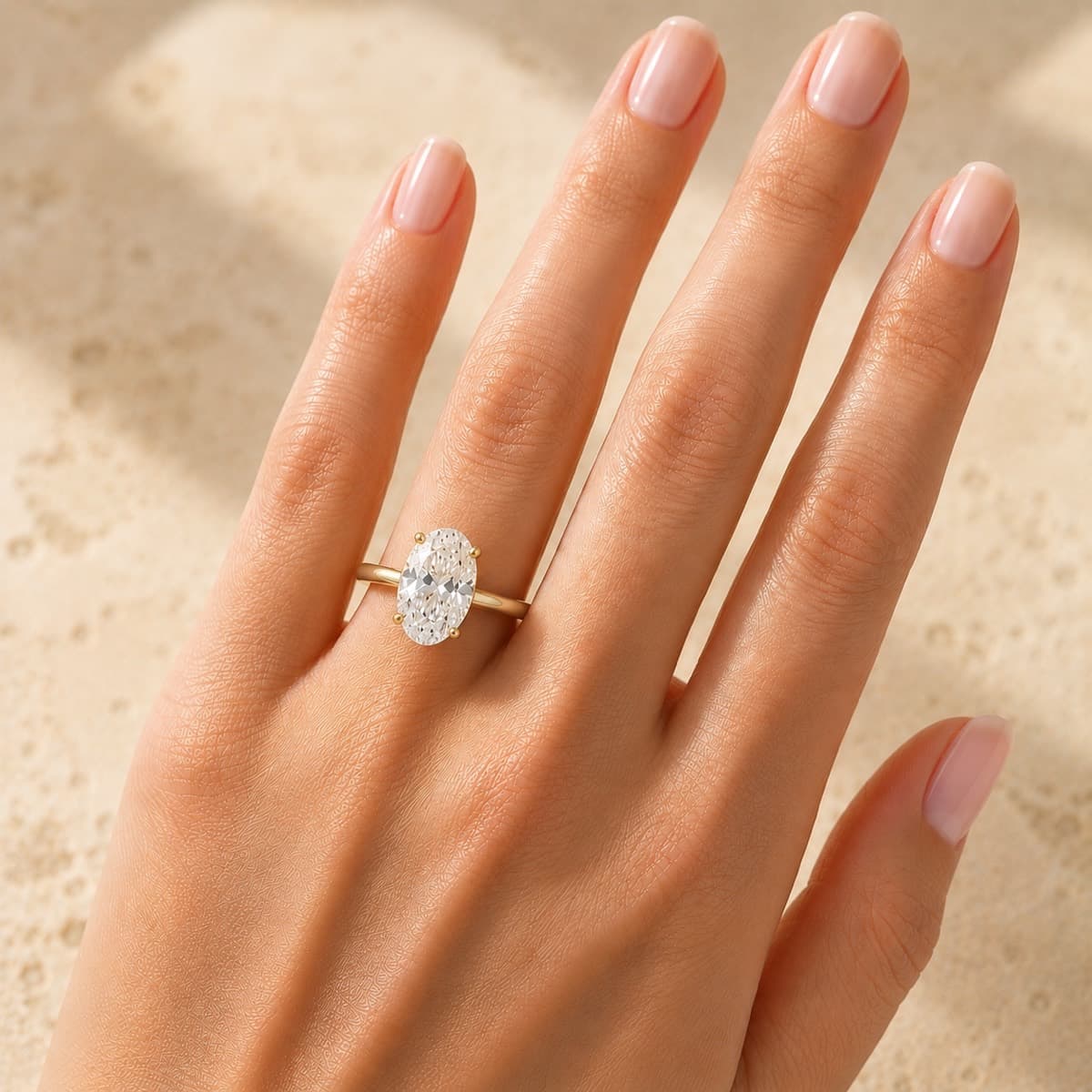
How to compare round, oval, cushion, emerald, radiant, pear, marquise, and other diamond shapes for a custom engagement ring.
Read guide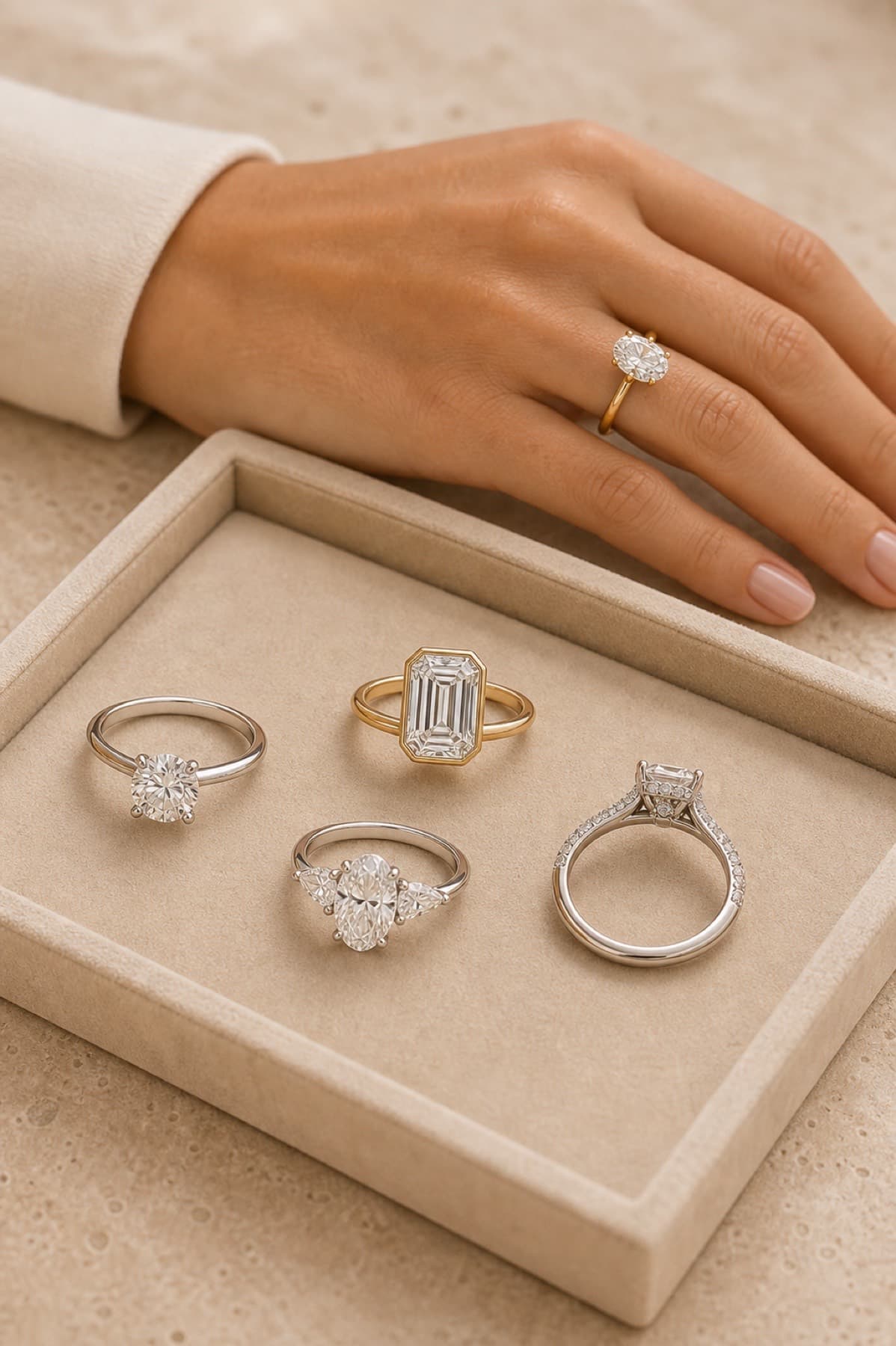
Solitaire, halo, pavé, bezel, three-stone: every setting term in plain English, plus the side-view and lifestyle questions that decide how a ring wears.
Read guide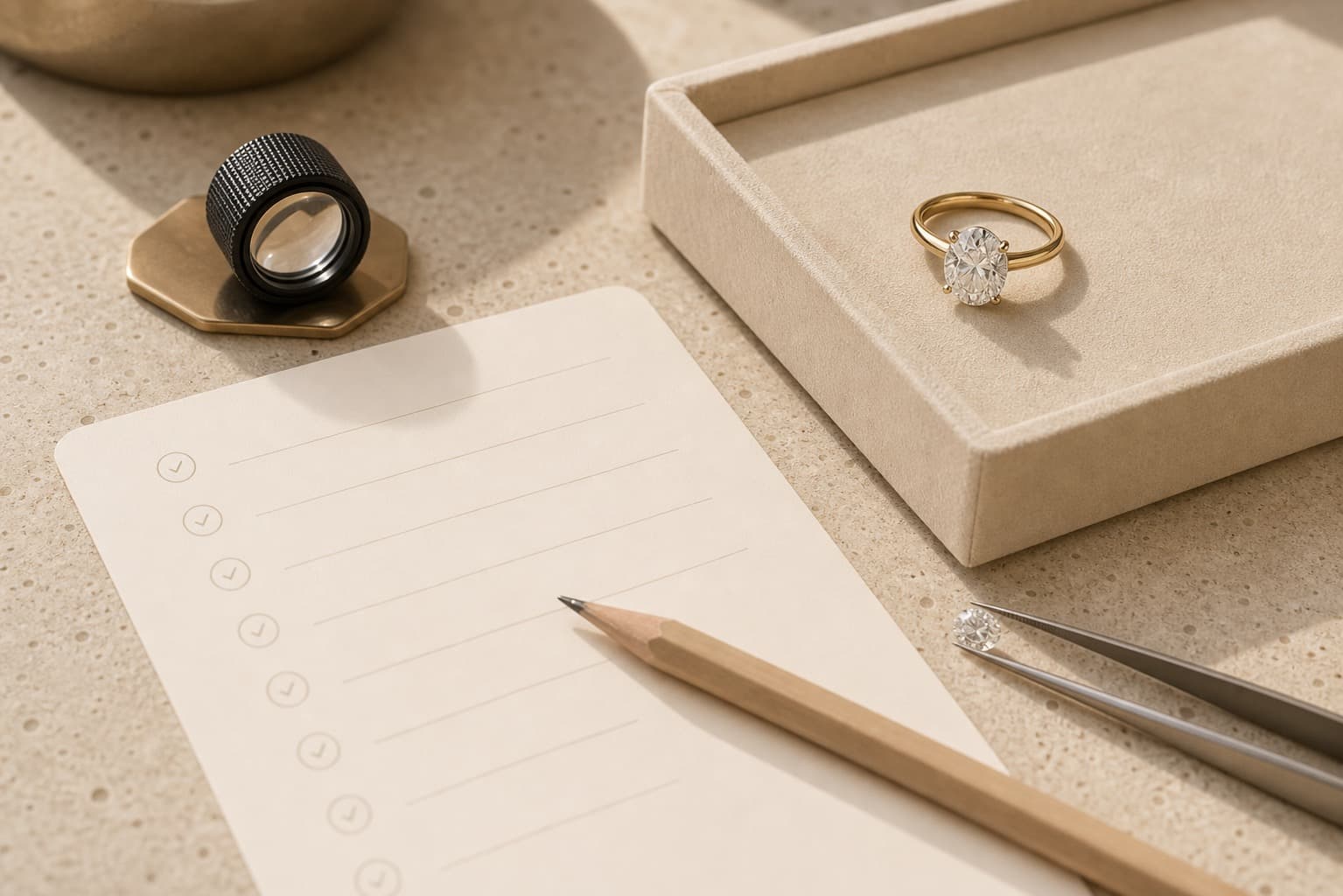
A step-by-step checklist for buying a custom engagement ring in San Diego, from inspiration photos to diamond selection and final approvals.
Read guideWant the full page on this style, from the stone to the price?
Pear Pavé engagement rings in San DiegoIn their words
“Andrew told me not to buy the first stone I liked. Who does that? He waited two weeks for a better one to come through his dealer at about the same price. That’s the moment I knew I’d be sending everyone I know to him.”
There is no rule. Point-up can feel elongated, point-down can feel softer, and angled settings can feel more custom.
Fine pavé can be worn daily, but it needs good construction and realistic expectations. The band should not be made too delicate for the wearer.
Yes. Pear diamonds can show bow-tie effects, so Andrew would compare the actual stone appearance before choosing.
Yes. Both origins can work. The comparison should include shape, spread, appearance, origin preference, and budget.
Text Andrew
Text Andrew the photo or style you keep coming back to. He can help translate it into a diamond choice, setting path, and next step without treating the inspiration as inventory.