
Guide
Lab-Grown vs Natural Diamonds
By Andrew GonzalezGIA Diamonds Graduate8 min readUpdated
A lab-grown diamond is the same material as a natural diamond, so close that no jeweler can tell them apart by eye; it takes laboratory equipment to know which is which. The real differences are origin, price, and what the stone is worth later. Lab-grown buys a noticeably bigger or finer stone for the same money. Natural is the stone the earth made once, and it carries a meaning, and some of a value, that a manufactured stone cannot. Neither choice is wrong. I sell both, I keep neither in inventory, and there is no stone I need you to prefer, so what follows is the conversation I would have with you at the desk.
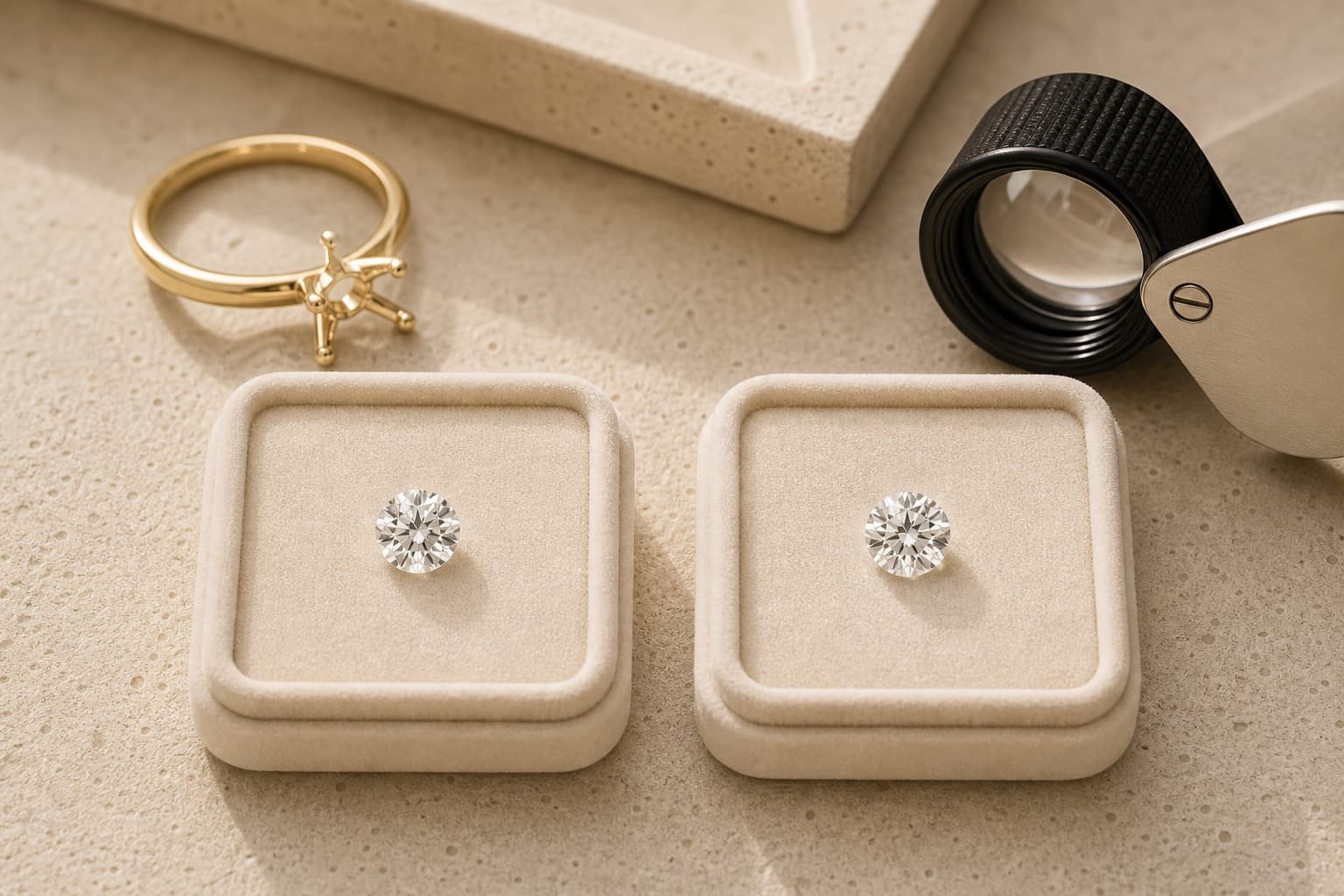
The same stone, two different stories
Chemically and physically they are identical: carbon, arranged the same way, just as hard, sparkling by the same physics. A lab-grown diamond was made in a machine over a matter of weeks. A natural diamond formed deep in the earth over a billion years or more before anything brought it to the surface.
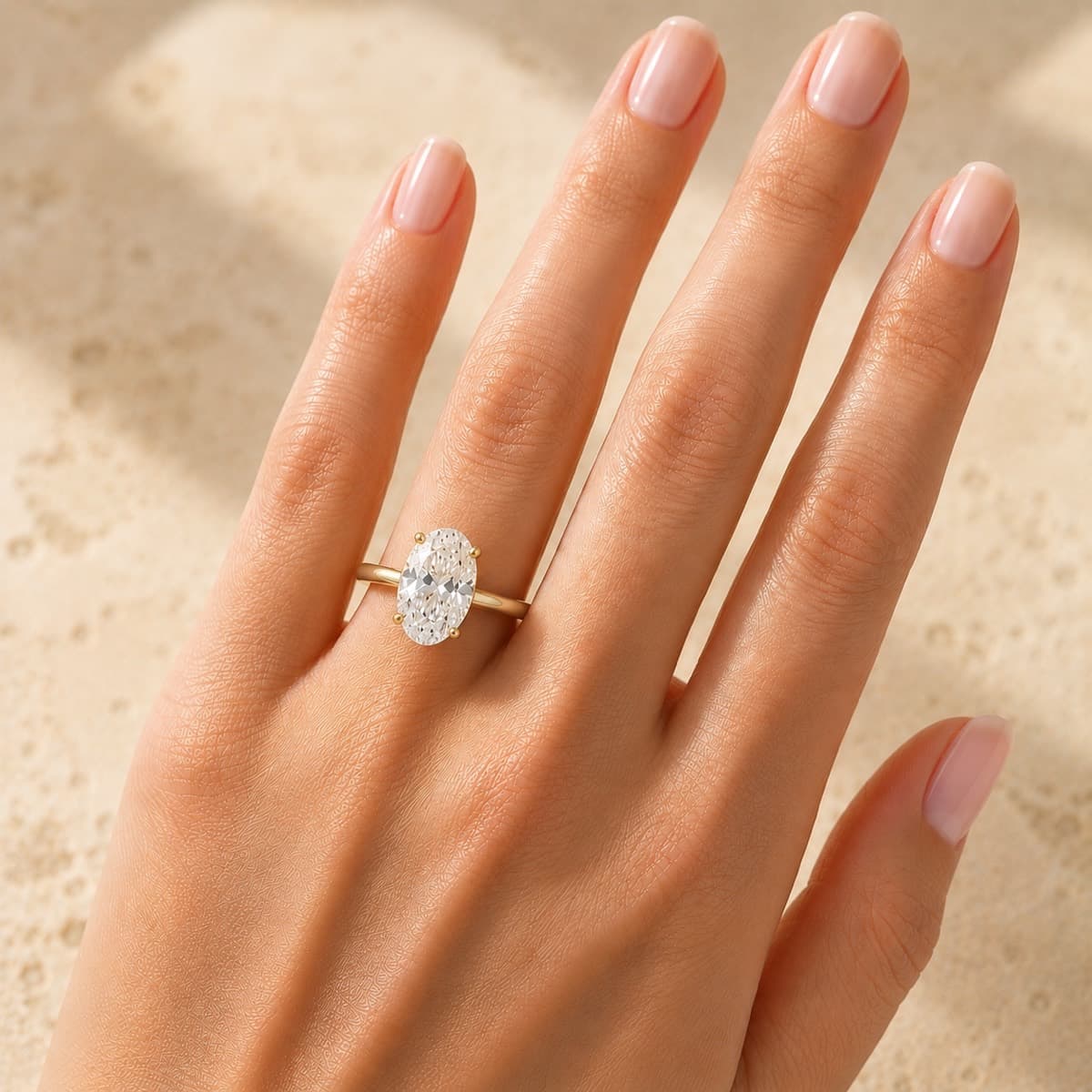
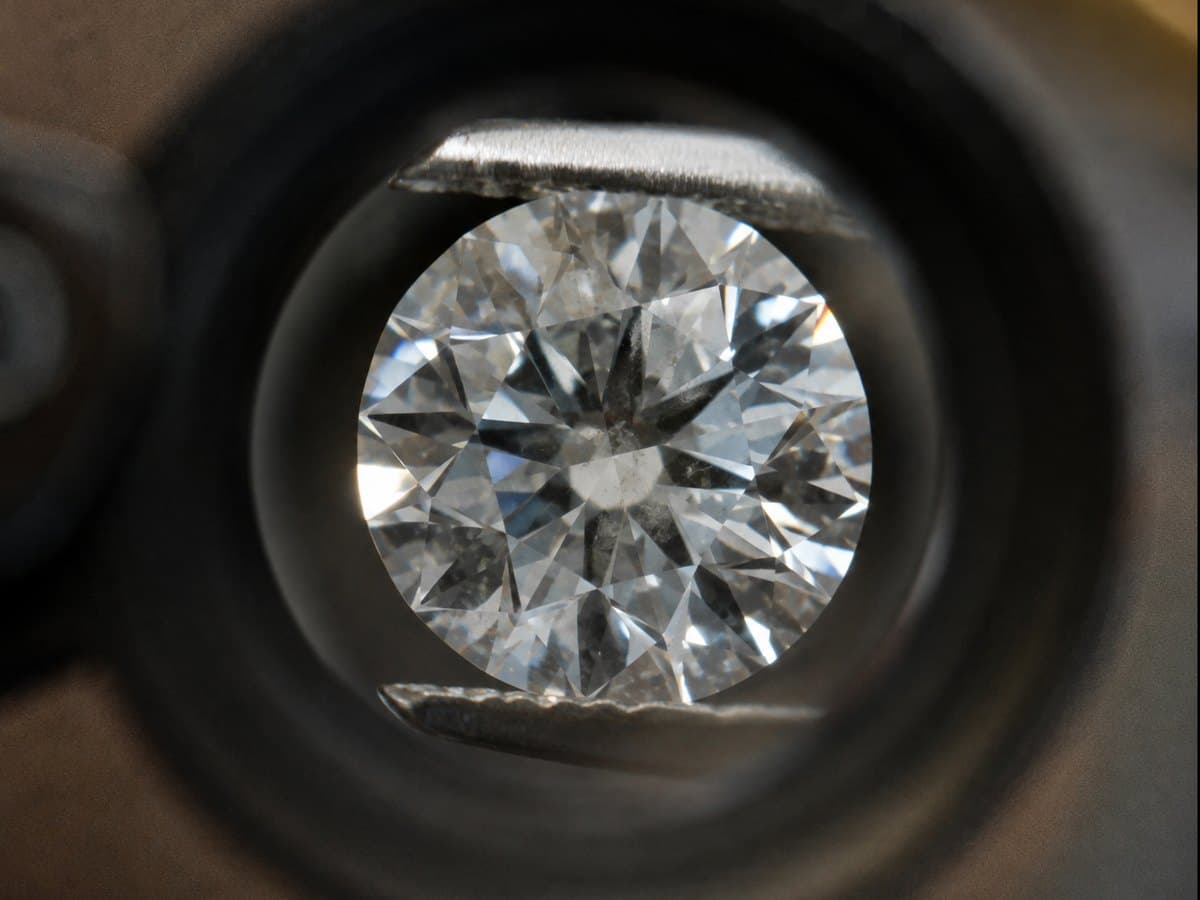
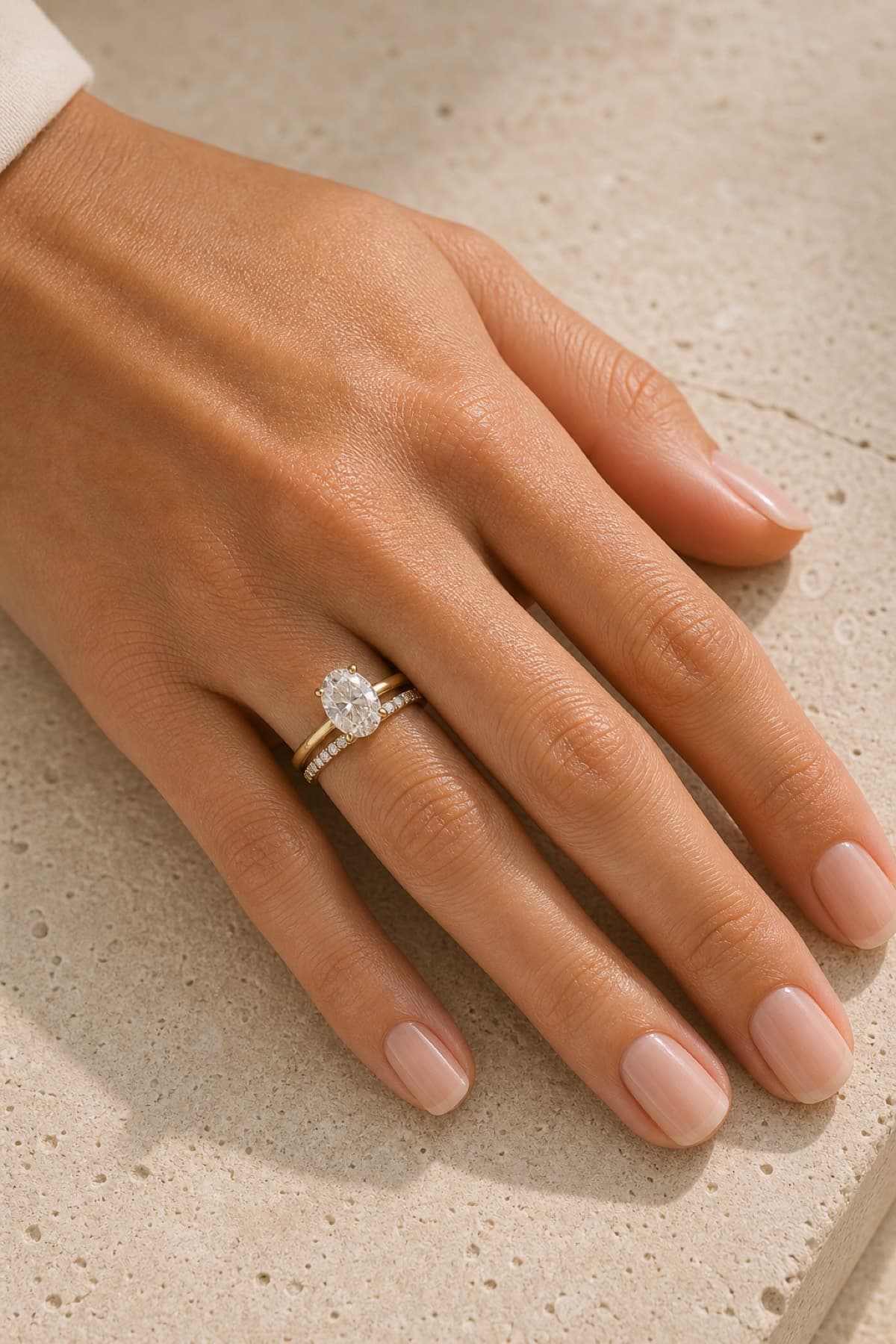
Set side by side in finished rings, nobody at the dinner table will ever know which is which. The grading labs can tell, using instruments, and the report will always state plainly what the stone is. Your eyes will not.
Why couples choose lab-grown diamonds
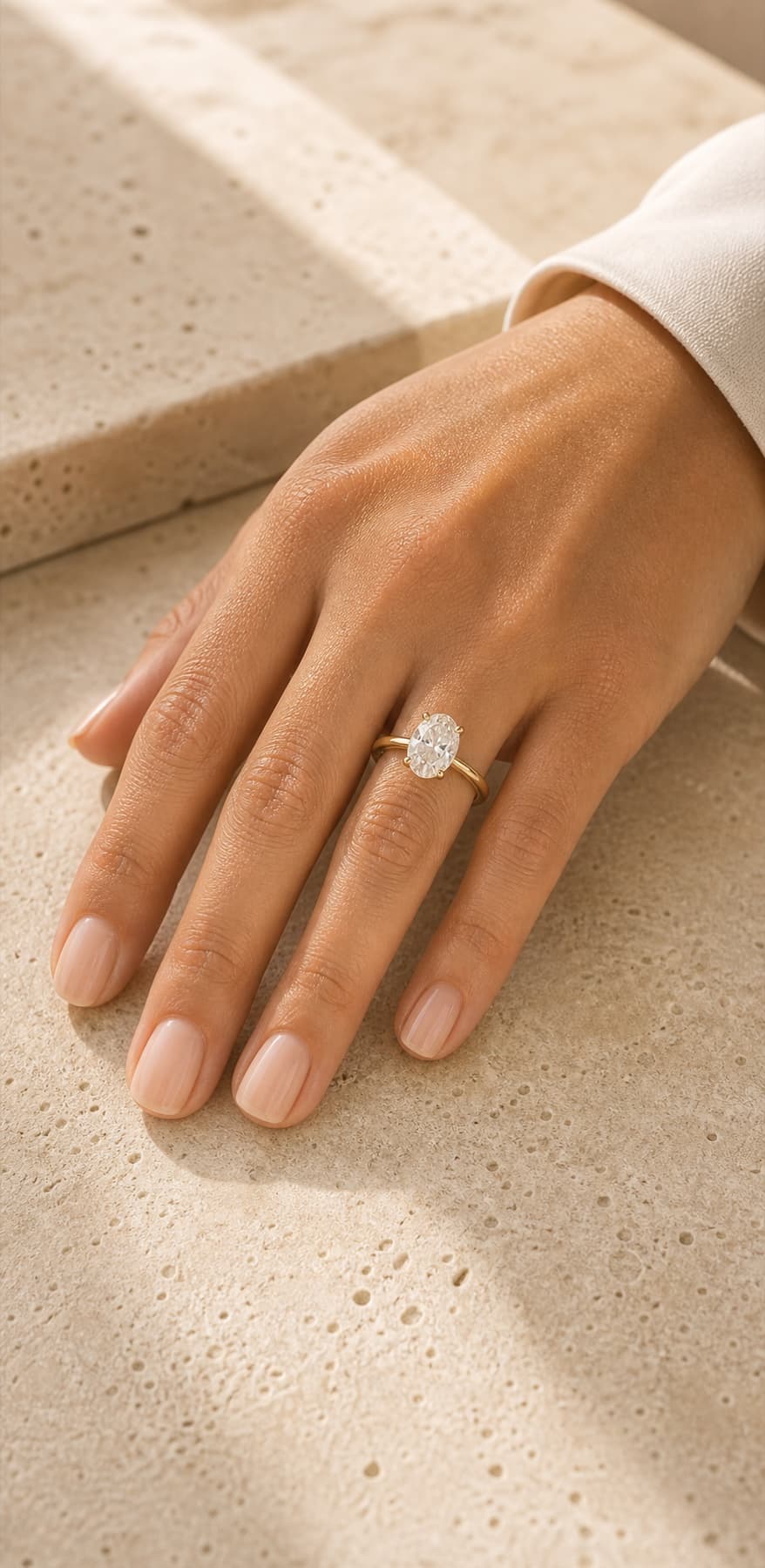
Size for the money, mostly, and there is no shame in it. If the picture in her head is a large oval and the budget is real, a lab-grown stone is often the difference between the ring she saved and a smaller compromise. The savings can also move elsewhere: into the setting, the wedding band, or the honeymoon.
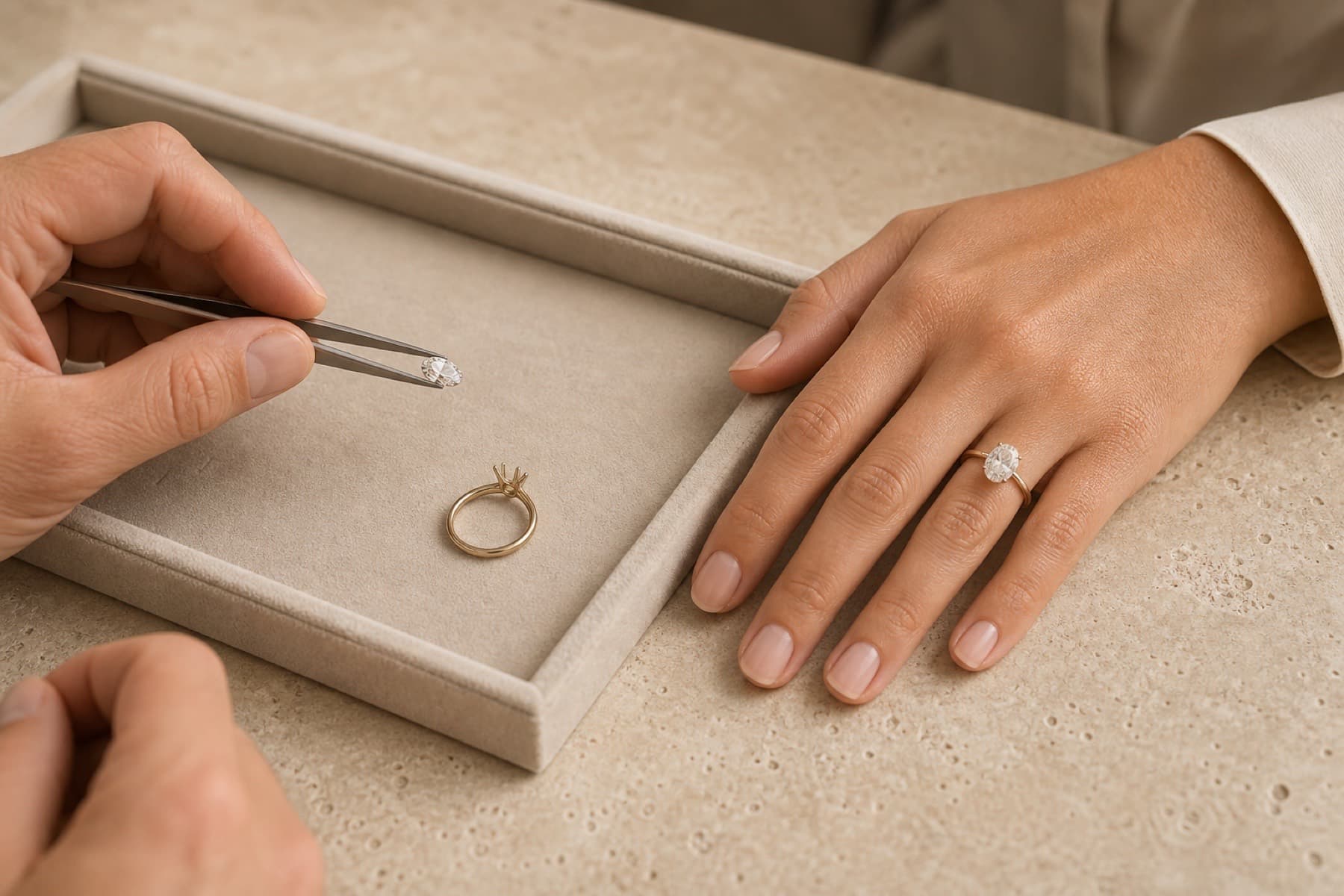
The buying discipline does not relax, though. Lab-grown stones vary in cut and character exactly the way natural ones do, and a badly cut lab-grown diamond is just a cheaper disappointment. I source them from the same dealers, judge them by eye the same way, and reject most of what I am shown in either category.
Why couples choose natural diamonds
Rarity, and what rarity means to the person wearing it. A natural stone existed long before anyone, and for plenty of people that story is the point of the ring. No discount talks them out of it, and none should. There is no version of this where the feeling is wrong.
Natural stones also demand more careful selection, because the prices are higher and the gap between two stones with identical paperwork is just as wide. At natural prices, a stone that is faintly hazy or carries its flaw in the middle of the table costs real money for a disappointment you will notice every day.
Is either one an investment? No.
This is where most comparisons get it wrong, usually on purpose. You will read that lab-grown diamonds do not hold their value, said in a tone that implies natural ones do. They do not. A ring's price includes the cutting, the setting, the labor and the seller's overhead, and none of that comes back when a ring is sold, so a natural diamond does not return what you paid for it either. Buying a diamond of any origin and expecting it to keep its purchase price is the one genuine mistake available here.
The honest difference is narrower than the argument suggests. Natural stones keep more residual value than lab-grown ones, and I can tell you that plainly because buying diamonds is most of my week, not a sideline. But residual value only matters to someone planning to sell, and almost nobody buys an engagement ring planning to sell it. If resale is driving your decision between the two, the decision is being driven by the wrong thing. Choose on how the stone looks and what its origin means to you.
Put them side by side and the question settles itself
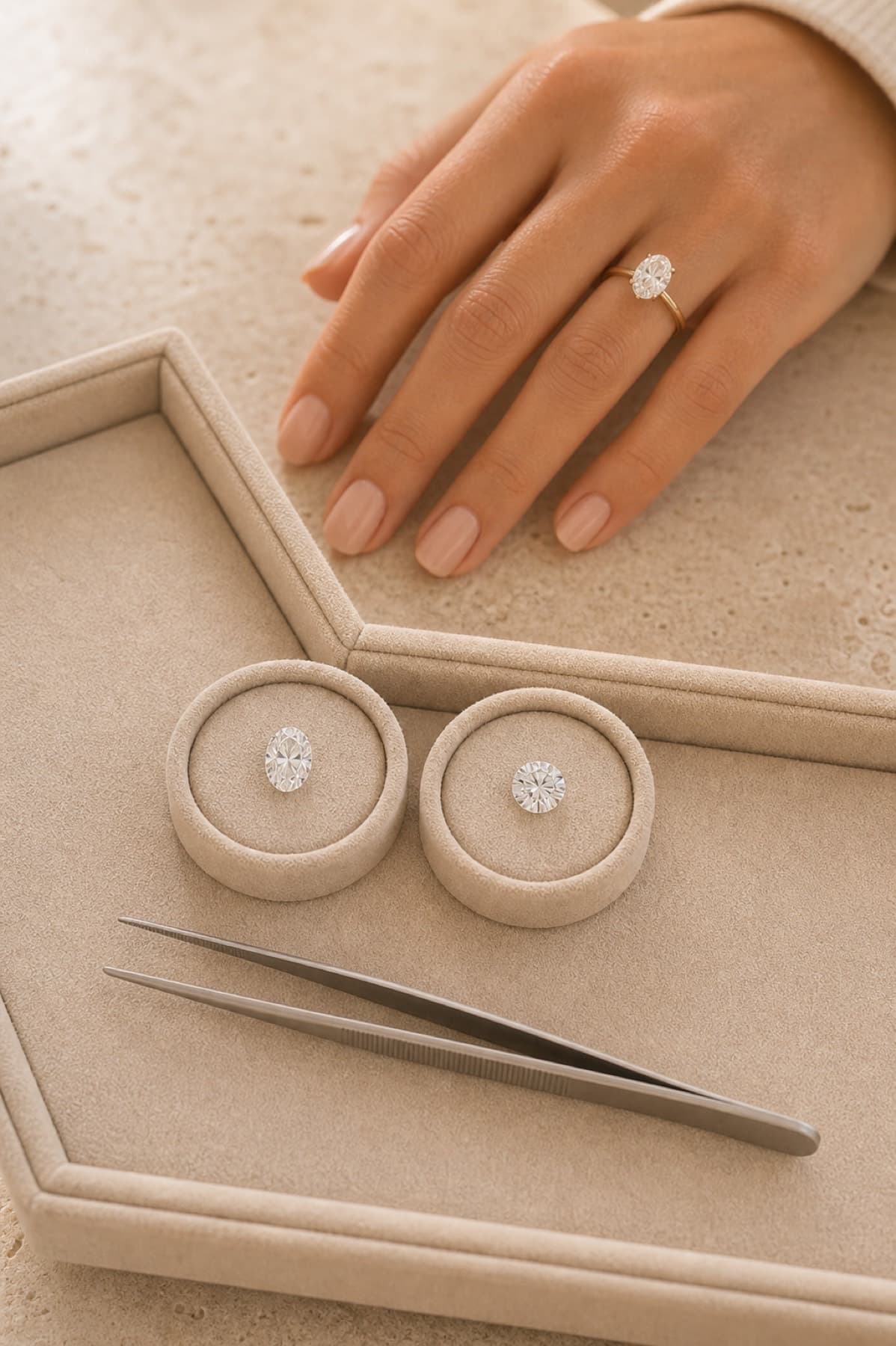
The fastest way through this decision is twenty minutes at the desk: the same shape at the same budget, one natural and one lab-grown, reports beside them. The size difference is immediate and physical, and so is your reaction to it. Some people see the bigger stone and never look back. Some feel the pull of the natural one and know the answer is worth the size. Both reactions are correct.
- Compare face-up size, meaning how big each stone looks from above, not just the carat weight.
- Ask any seller which stone they make more money on. I make my living either way, which is why you will get a straight answer here.
- Whichever you choose, the stone gets picked by eye, never off the paperwork.