
Guide
Engagement Ring Buying Mistakes
By Andrew GonzalezGIA Diamonds Graduate7 min readUpdated
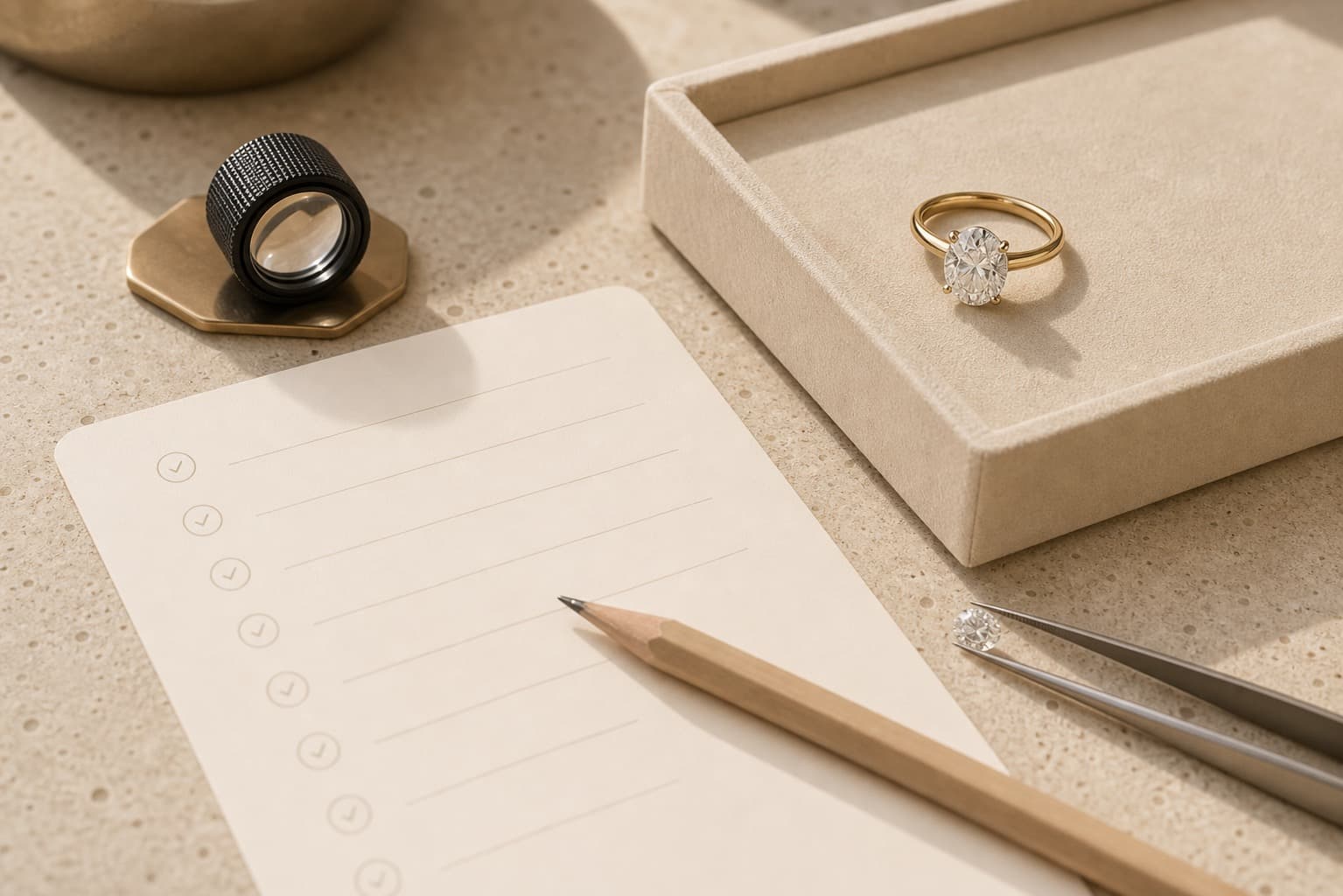
The expensive engagement ring mistakes are rarely about taste. They are about process: buying a diamond off its paperwork without ever seeing it, judging a ring only from above, letting the lab-grown versus natural decision happen by accident, borrowing to hit a number nobody assigned you, and paying for a showroom that added nothing to the ring. Every one of them is avoidable, usually in a single conversation. Here they are in the order they cost people money.
Buying the stone off its paperwork
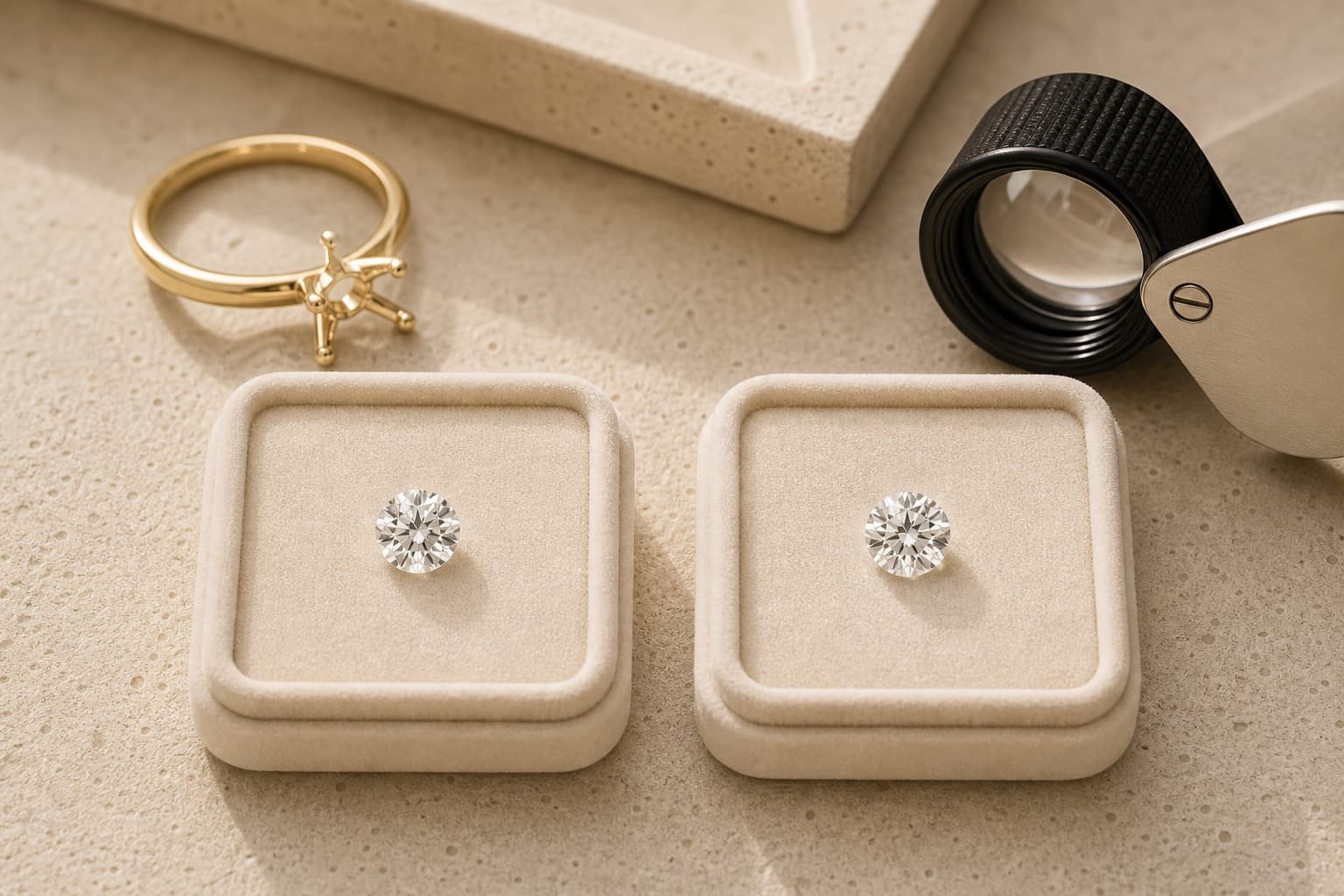
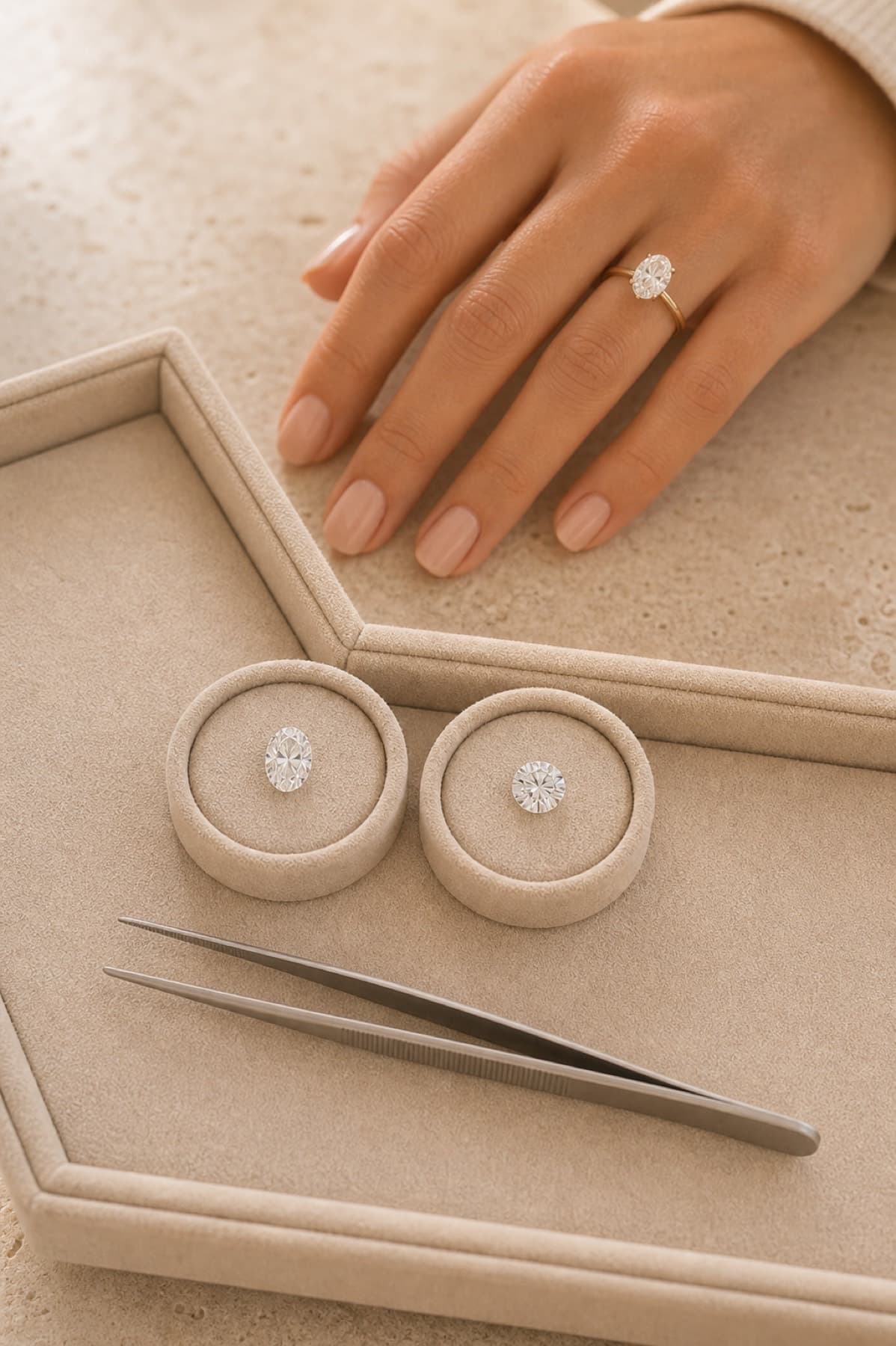
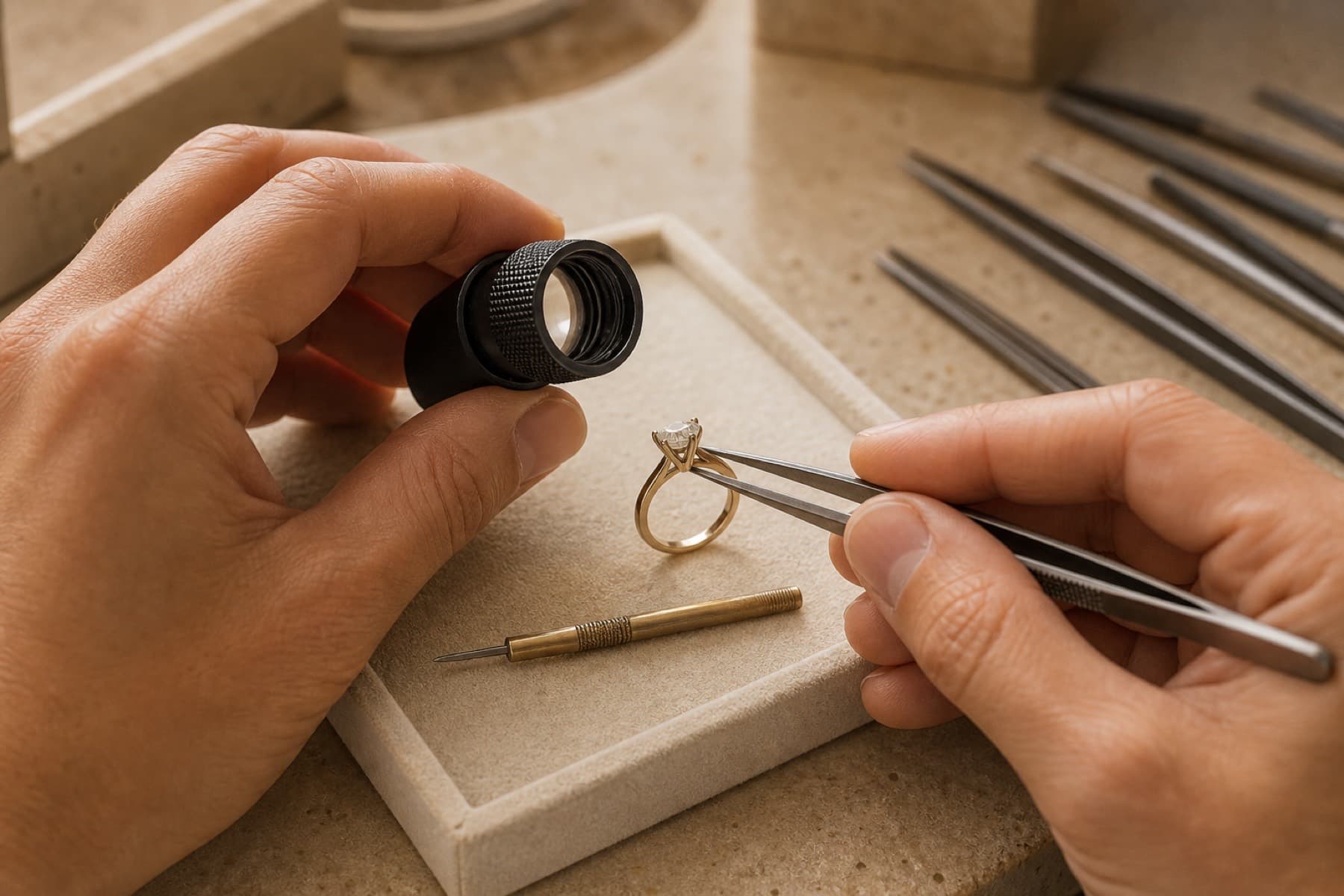
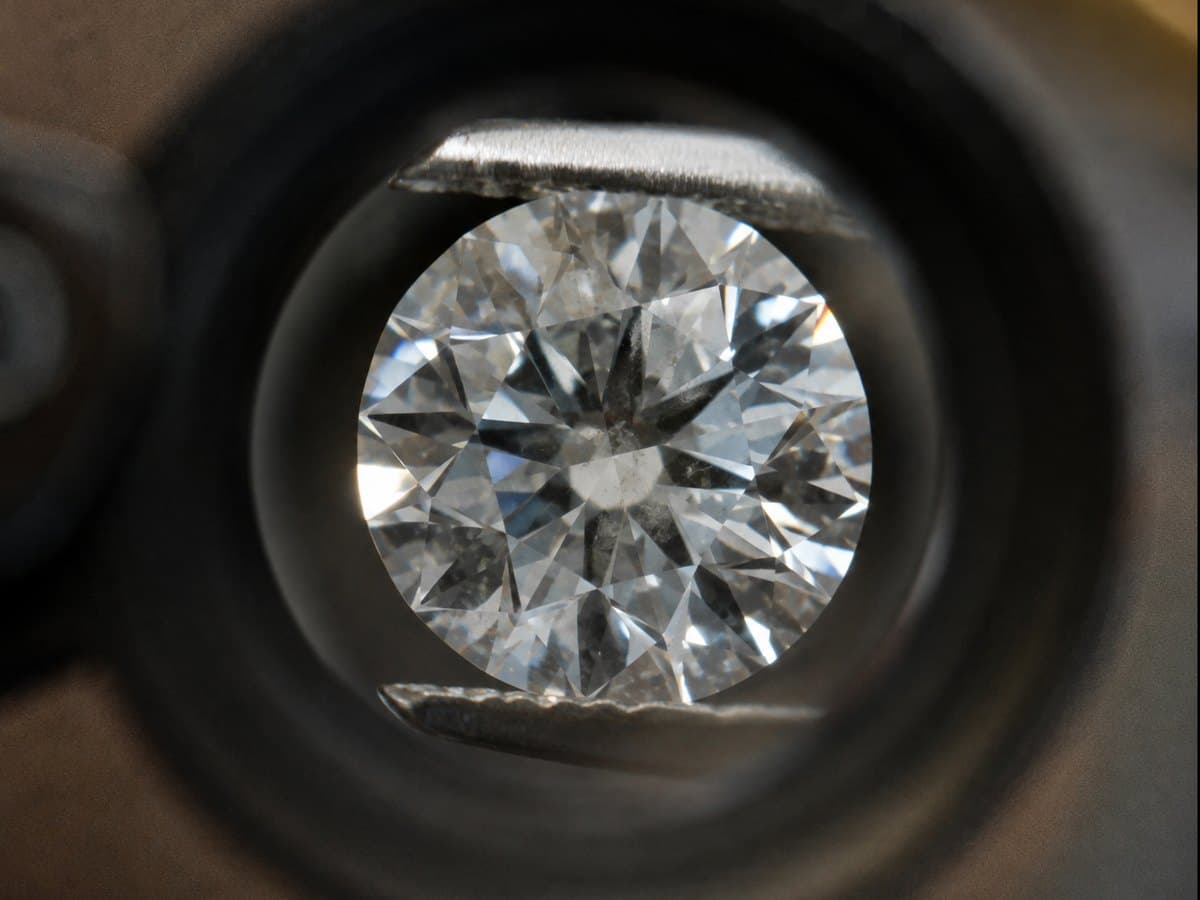
Two diamonds with identical grading reports can look completely different in person: one crisp, one milky; one clean to the eye, one with a flaw sitting exactly where you will see it forever. The report is a description, not a verdict, and buying on paper alone is how the stones nobody wanted find their owners.
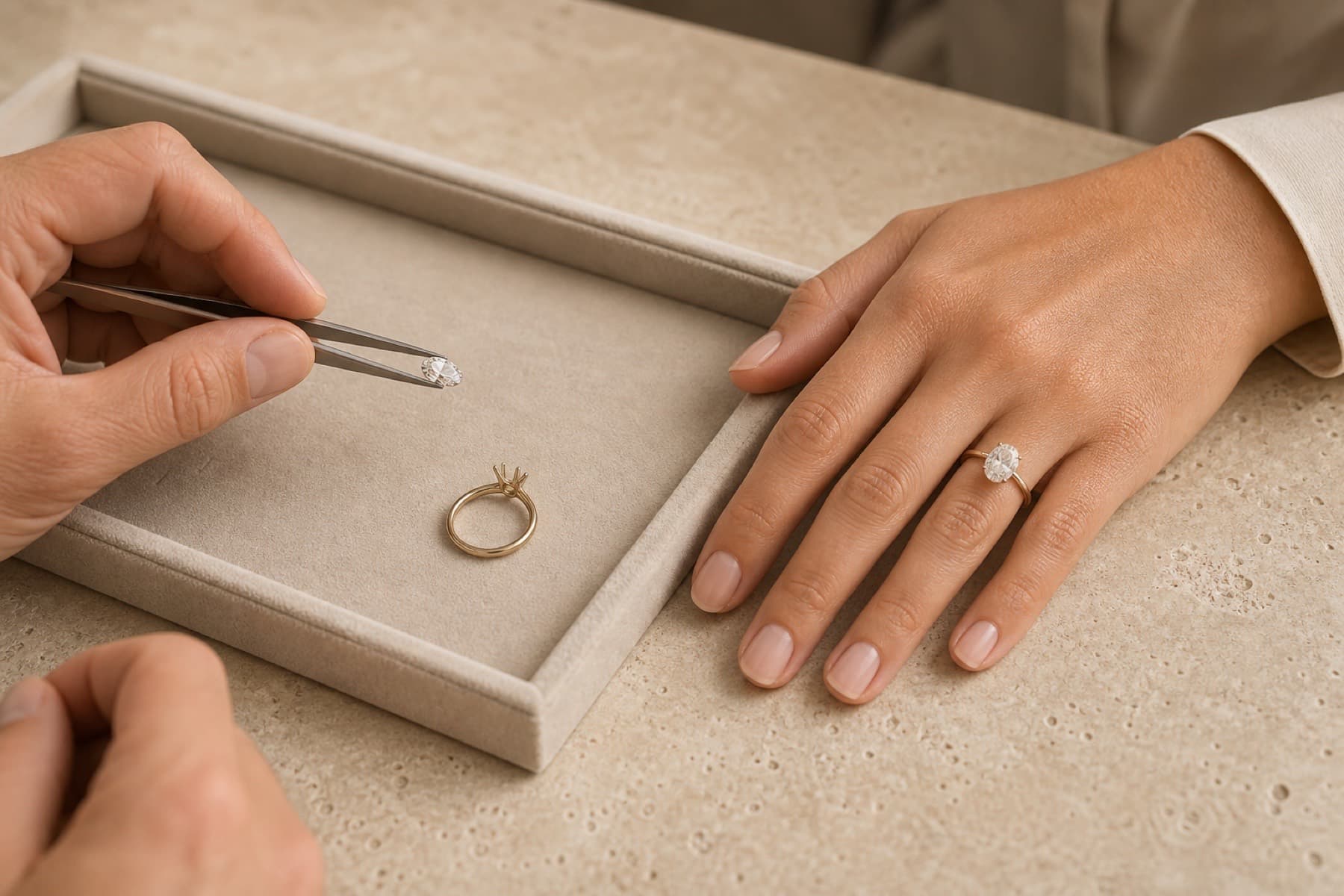
The fix costs nothing. See the stone before you commit, ideally next to another one, and if a seller cannot arrange that, let it tell you something.
Judging the ring only from above
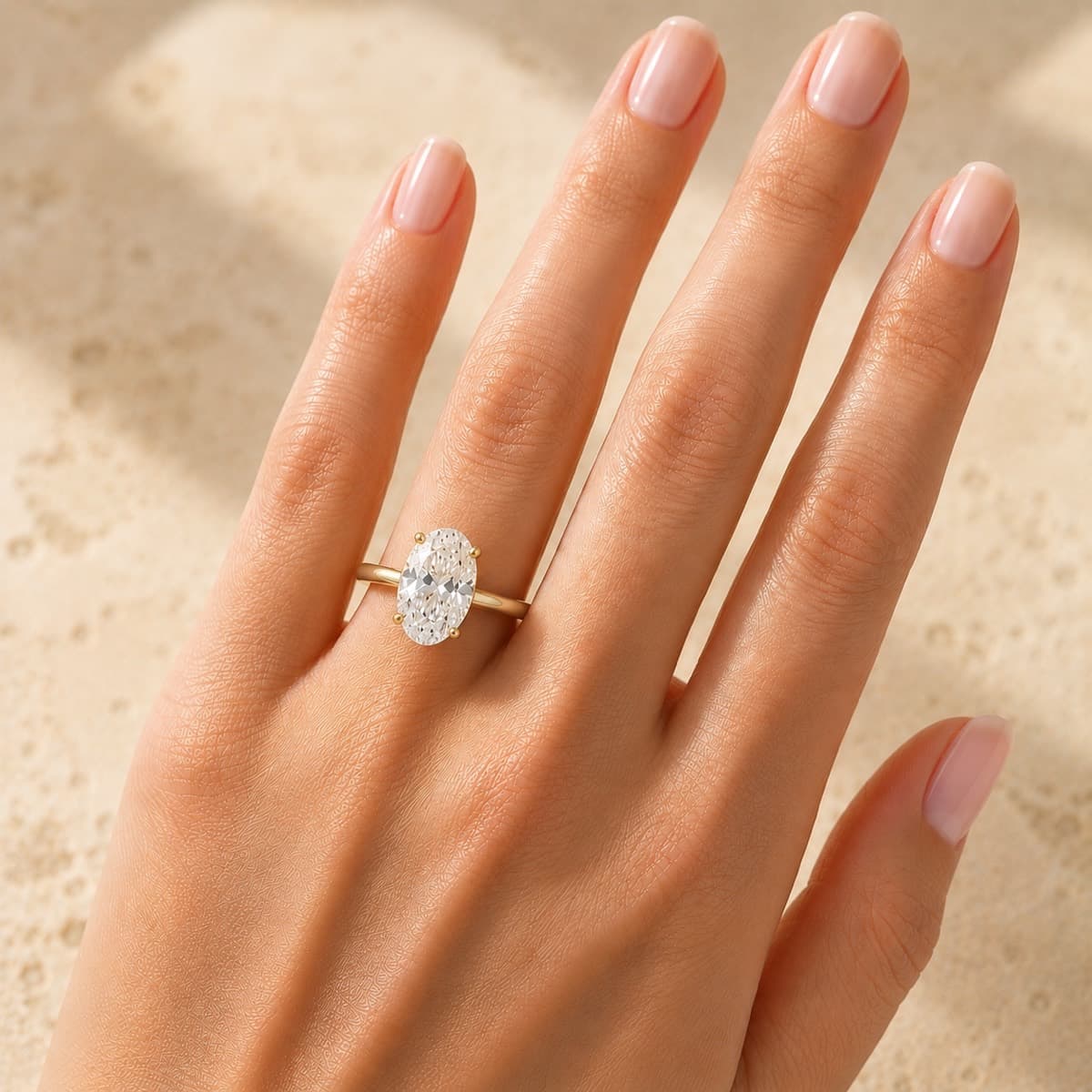
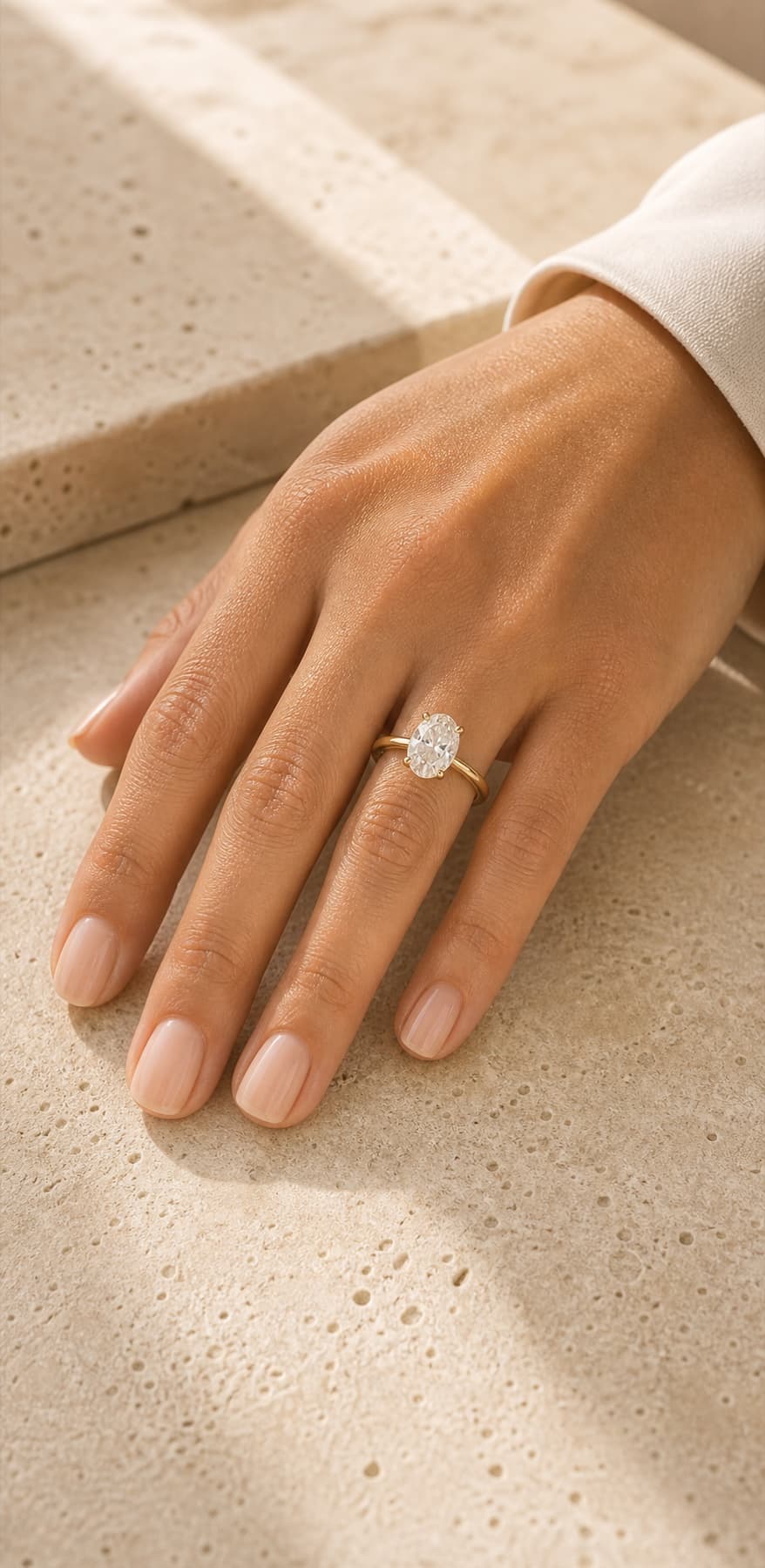
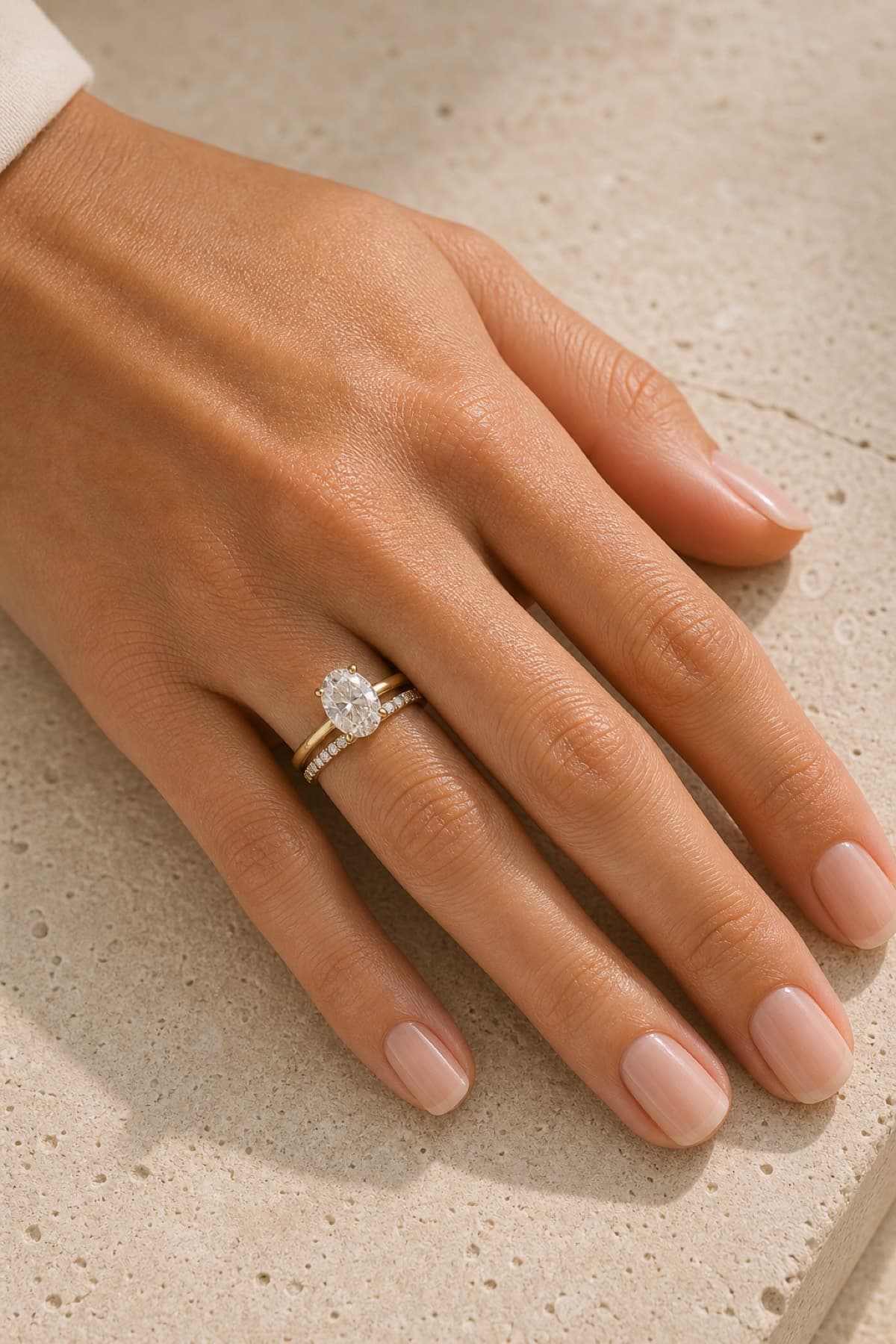
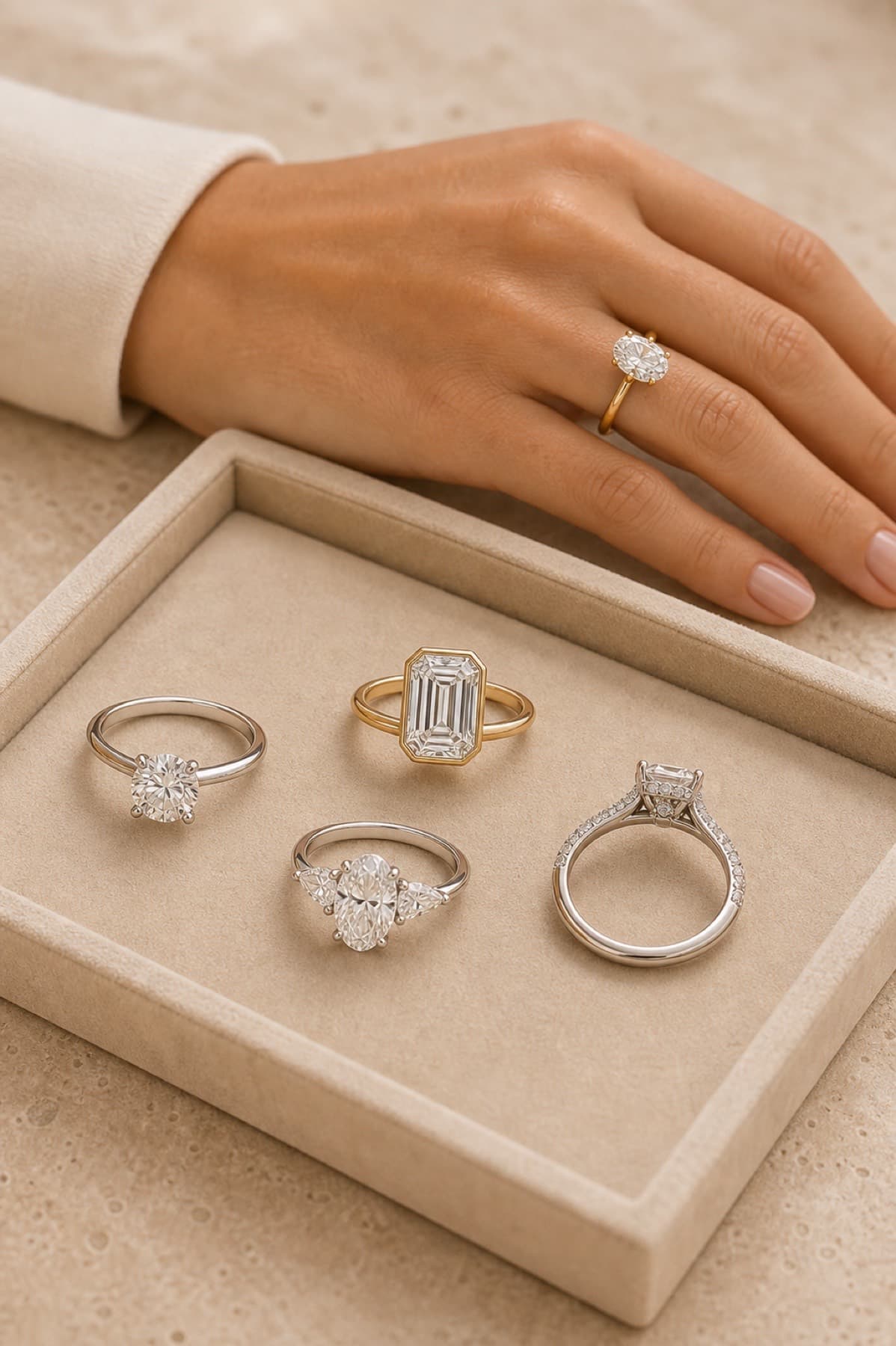
Every listing photographs rings from the top, and the side view is where daily life happens: how high the stone sits, whether it snags, whether a wedding band can sit flush or will leave a gap. A ring chosen from above gets discovered from the side in the first month. Ask for the profile view of everything, every time, from anyone.
Deciding lab-grown versus natural by accident
This choice moves the budget more than any other, and it deserves ten deliberate minutes instead of a shrug. Some people want the rarity of a natural stone and will not be talked out of it. Others want the biggest beautiful stone the money buys. Both are right. What is wrong is arriving at either by default, or letting a seller's inventory make the decision for you.
Spending the wrong number
This mistake has two versions, and they are twins: borrowing to hit a number nobody assigned you, and overpaying inside the stone for letters you will never see. The first has a clean fix: buy what you can pay in full, and upgrade at an anniversary if you ever want to. The second has a cleaner one: the qualities you can see from across a room, the cut and the face-up size, are worth money; the differences visible only under a magnifier mostly are not.
Paying for someone else's overhead
A ring's price is the stone, the metal, and the labor. Everything above that is the seller's rent, staff, financed inventory, and brand. Some people happily pay extra for a famous box, and that is a legitimate choice made with open eyes. The mistake is paying showroom prices without realizing the same stone, chosen by eye, was available without the showroom attached.