
Guide
How to Choose a Diamond Shape
By Andrew GonzalezGIA Diamonds Graduate7 min readUpdated
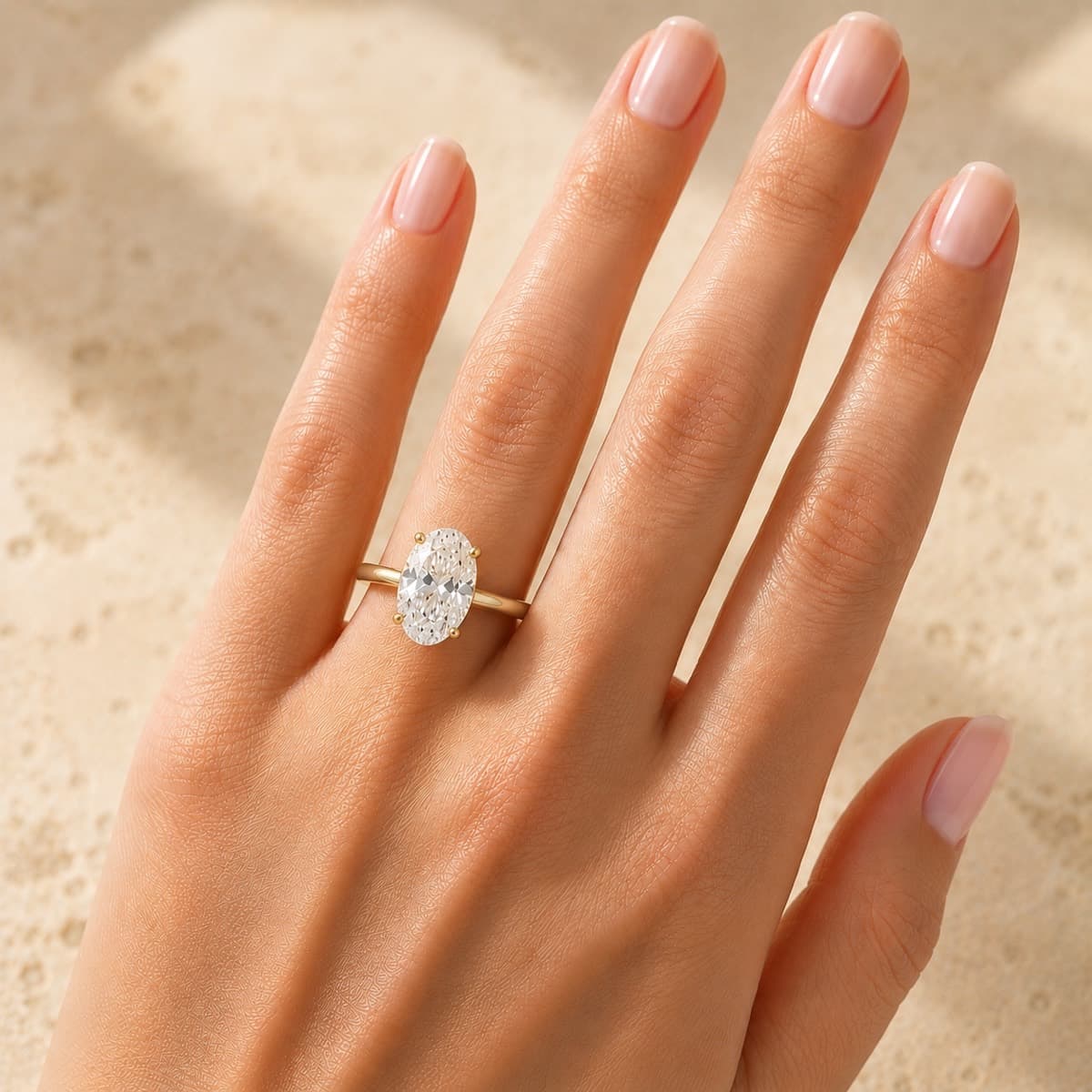
Choose the diamond shape from her taste, not from a chart: the rings she saves, the jewelry she already wears, and anything she has ever pointed at in a window will tell you the answer faster than any guide. If you need a starting point, round is the classic default and the most brilliant, and elongated shapes like the oval look larger for the same money. What follows is what each shape actually feels like on a hand, which ones stretch a budget, and the trap inside each one that a photo will not show you.
Match the shape to her, not to a trend
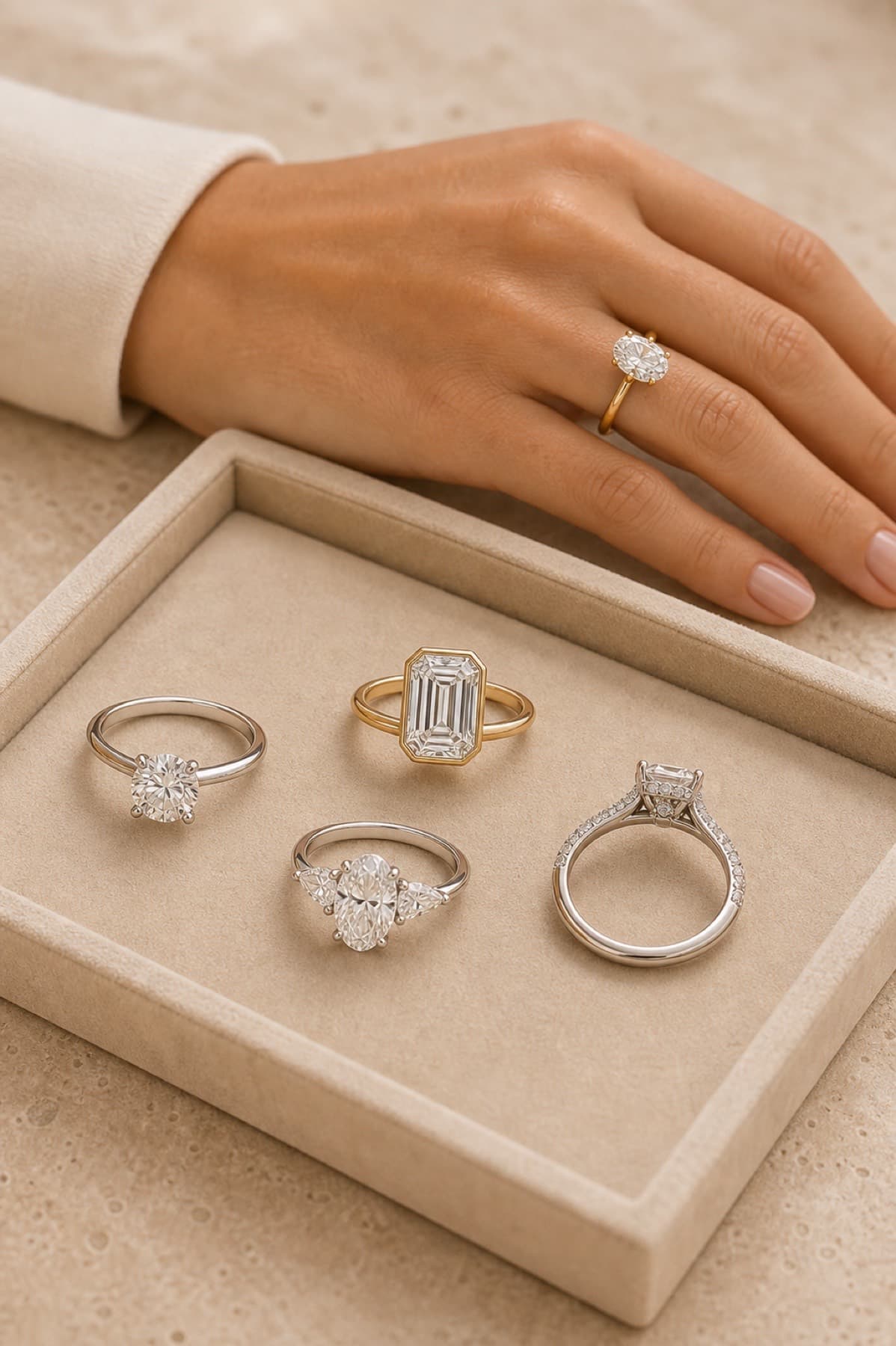
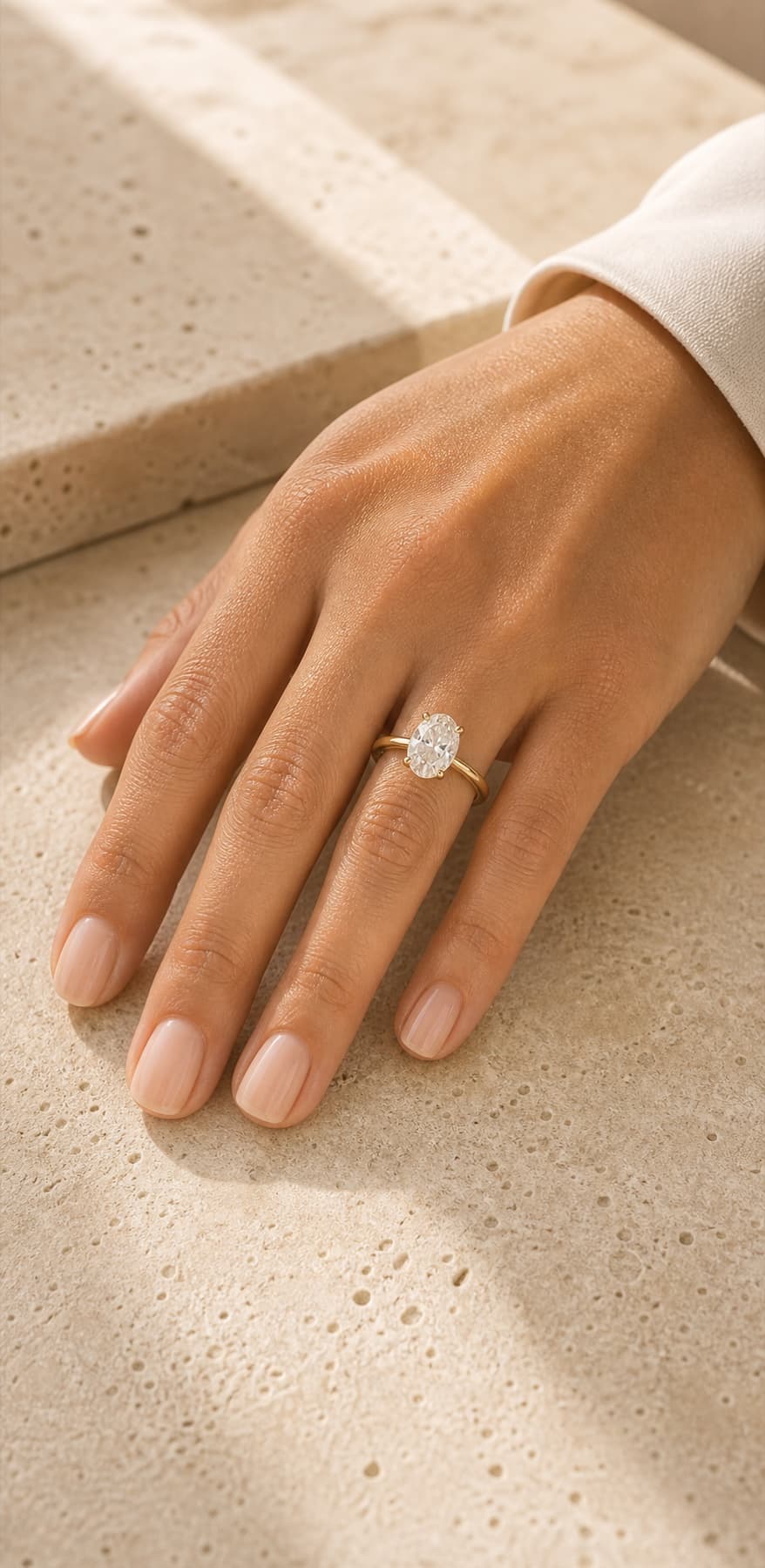
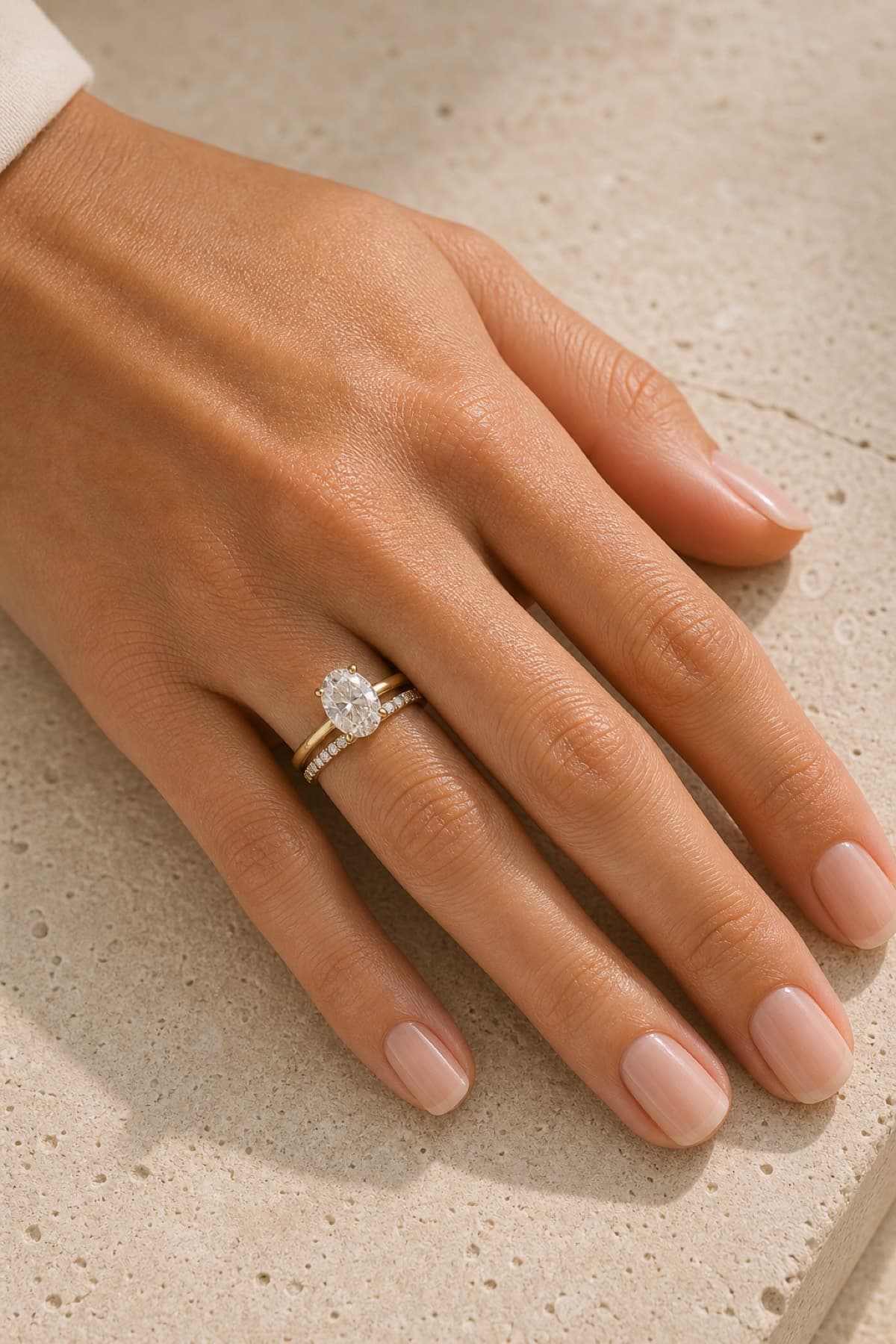
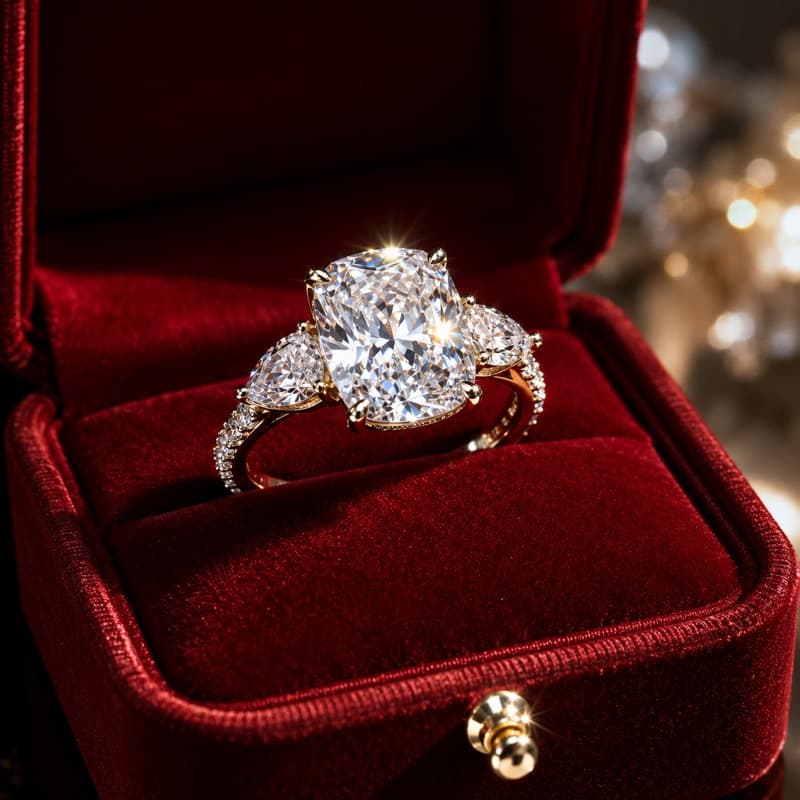
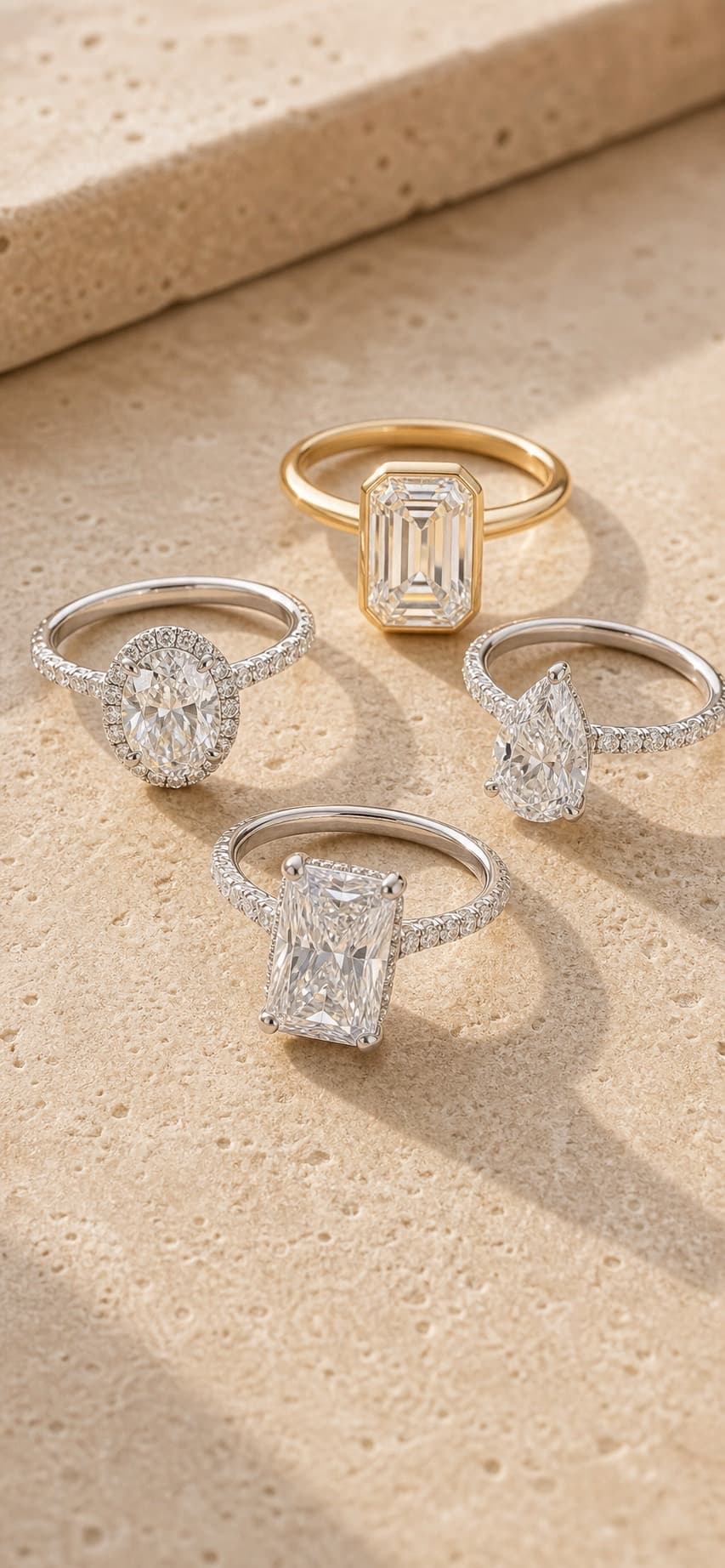
Every shape carries a personality, and most people react to them instantly. Round is timeless and the brightest of all; it is the only shape cut to a formula perfected for sparkle. Ovals feel elegant and lengthen the finger. The emerald cut, a rectangle with long, flat, mirror-like facets, reads calm and architectural rather than sparkly. Cushions, soft-cornered squares, feel romantic and vintage. Radiants give the rectangular look with the fire of a round. Pears and marquises taper to points and feel the most distinctive.
If she has strong taste, this decision is already made and your job is only to find out: three saved photos, one recruited friend, or one honest conversation will do it. If her taste is genuinely open, look in her jewelry box. Someone who wears clean, geometric pieces will live happily with an emerald cut. Someone whose jewelry is soft and classic is usually a round or oval person.
Which shapes look bigger for the money
Diamonds are priced by carat, a unit of weight, but a hand only shows width. Elongated shapes spread their weight across the finger, so an oval, pear, or marquise looks noticeably larger than a round of identical weight. Rounds also cost the most per carat, partly because cutting one wastes more of the rough crystal and partly because demand never fades.
So the honest budget note is this: if size matters to her and the number is fixed, an elongated shape is the single easiest win available. And if a round is the dream, buy the round. A well-chosen one carries a brightness the other shapes do not quite reach, and no spreadsheet argument survives contact with the stone she actually wanted.
The trap inside each shape
Sparkly shapes forgive; glassy shapes confess. Rounds, ovals, cushions, radiants, pears, and marquises are all brilliant cuts, covered in small facets that scatter light and hide small internal marks. The emerald cut and the Asscher, its square cousin, are step cuts: long, open facets like panes of glass that hide nothing. The stone behind a step cut has to be cleaner and whiter, and it has to be chosen by eye.
Elongated brilliant shapes have their own flaw to check. Many ovals, pears, and marquises show a dark shadow shaped like a bow across the middle of the stone: some faintly, some badly, and the grading report will not mention it either way, because for every shape except the round, cut quality is not graded at all. Pears and marquises also carry points that need protecting metal over the tips. None of this rules a shape out. It rules out buying one from a photo.
Use photos to pick the family, use the desk to pick the stone
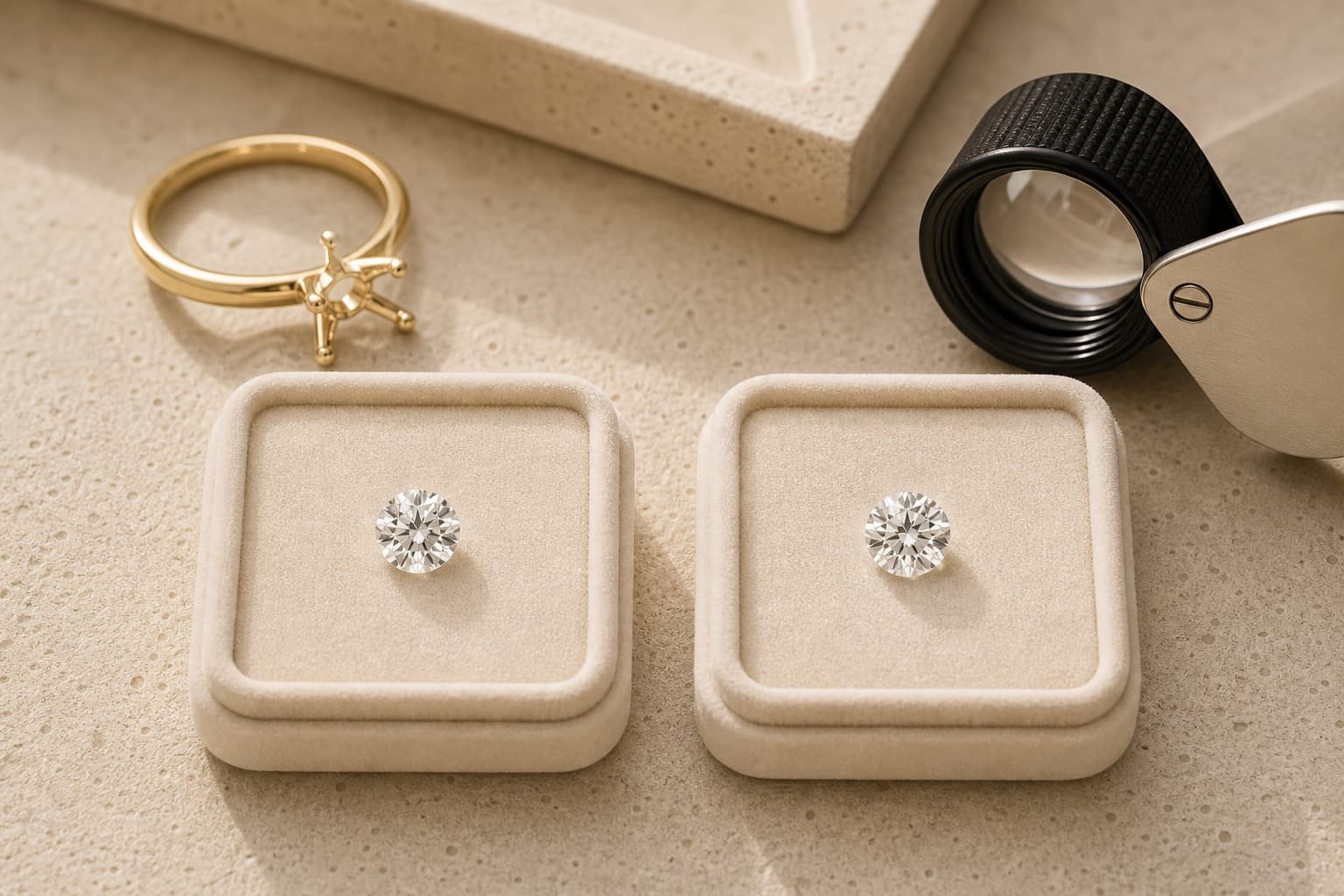
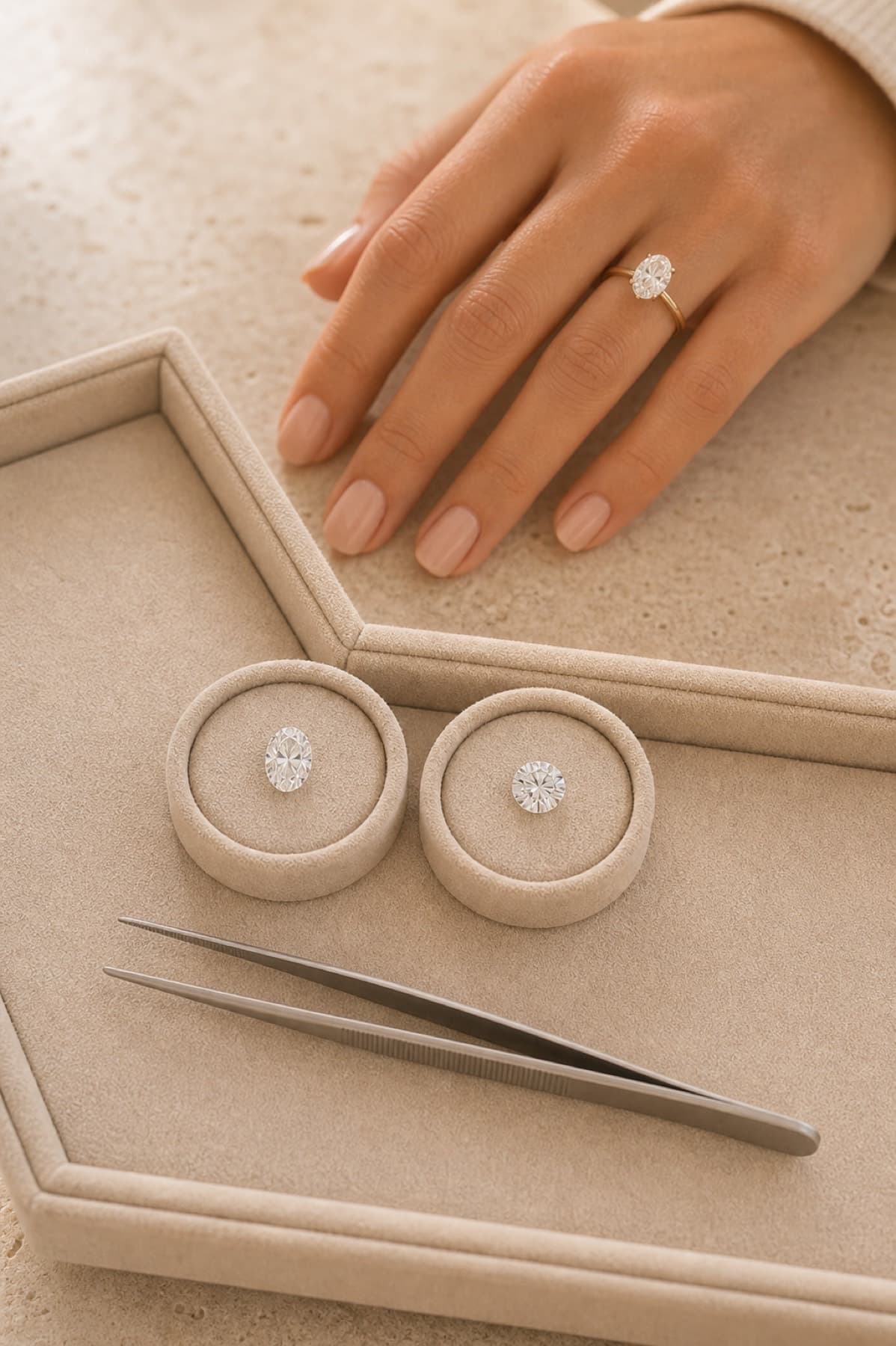
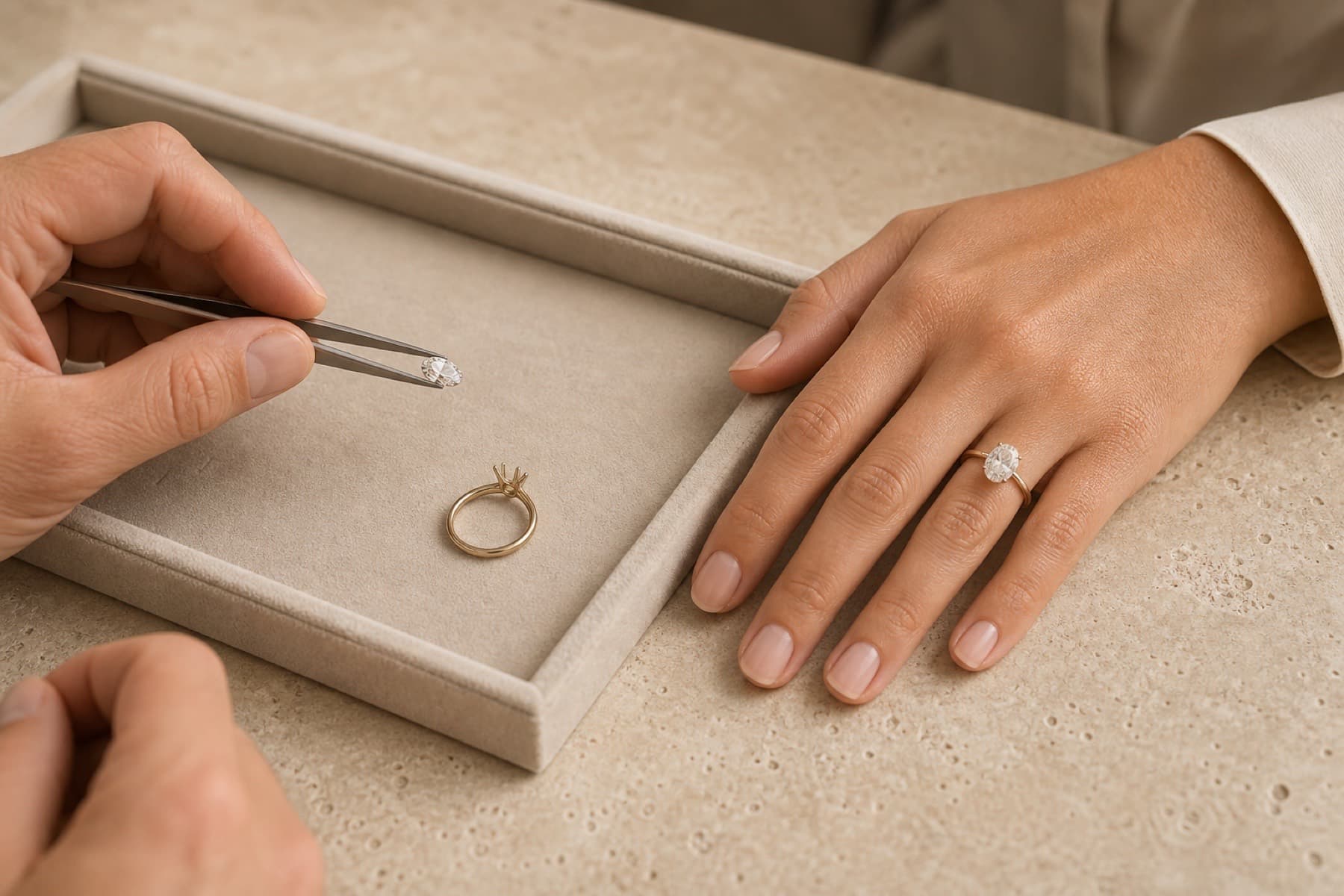
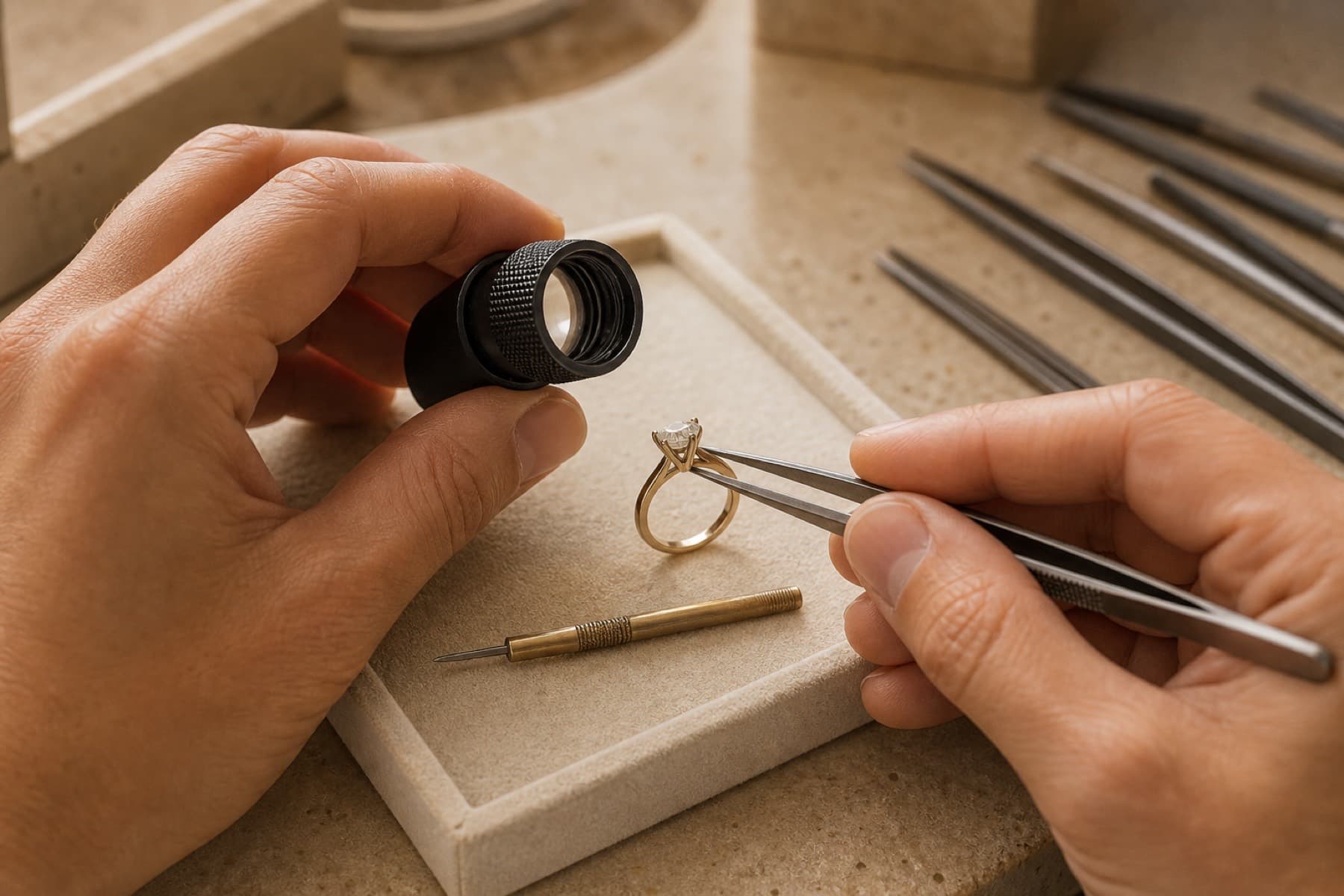
A saved photo reliably tells me the shape family and the feeling she wants, and that is genuinely valuable. What it cannot show is proportion. Two ovals can share a carat weight and look like different rings entirely: one long and elegant, one nearly round, one dark through the middle. That is why the last step is never a chart. I bring in stones in the shapes you are weighing, at your number, and put them side by side on the desk with the reports next to them. The right one is usually obvious in under a minute, and it gets chosen with your eyes open. If you want to see shapes in finished designs first, the design directions show each one built out.