Skip to content
Designed and built in the USA · Text Andrew
Andrew Gonzalez, Luxury Custom JewelerLuxury Custom Jewelerby Andrew Gonzalez

Natural diamond guidance

Natural diamond engagement rings, chosen by eye in San Diego.

A natural diamond is a finite thing from the ground, and for a lot of couples that is the whole point. Buying one well still comes down to the practical part: see the actual stones, understand what the report can and can't tell you, and build the setting around the diamond you chose. I buy and sell natural diamonds every week, I carry no inventory, and I'll give you the honest version of what rarity is worth.

30+ years of experience building custom engagement rings, wedding bands, and custom jewelry. GIA Diamonds Graduate. Designed and built in the USA.

Text Andrew a Photo

What I’ll want to know

  1. The shape she loves, or the look if the name escapes you.
  2. The range, and whether you want a lab-grown comparison on the desk or not.
  3. Whether origin is settled for you, or still a question.

What gets decided

Origin is the meaning. The eye test is the value.

What gets decided here: the strongest natural stone in your direction, judged by eye with the report beside it, and a setting built to its exact proportions, with the price in writing before anything is made. Here's what the report can't tell you.

Why natural, in plain terms

A natural diamond came out of the ground, and there are only so many of any size and quality. For a lot of couples, that's the whole point, and there's nothing to apologize for. What I won't do is dress it up as an investment: buy the stone because of what it means and how it looks, not for promises about resale. What natural genuinely keeps that lab-grown doesn't is some wholesale value; I buy diamonds as well as sell them, and there is always a market for a good natural stone, though well below what any retailer charged for it.

  • Rarity is real; I'll tell you plainly what it's worth at your size.
  • Open to lab-grown too? I'll put both on the desk and step back.
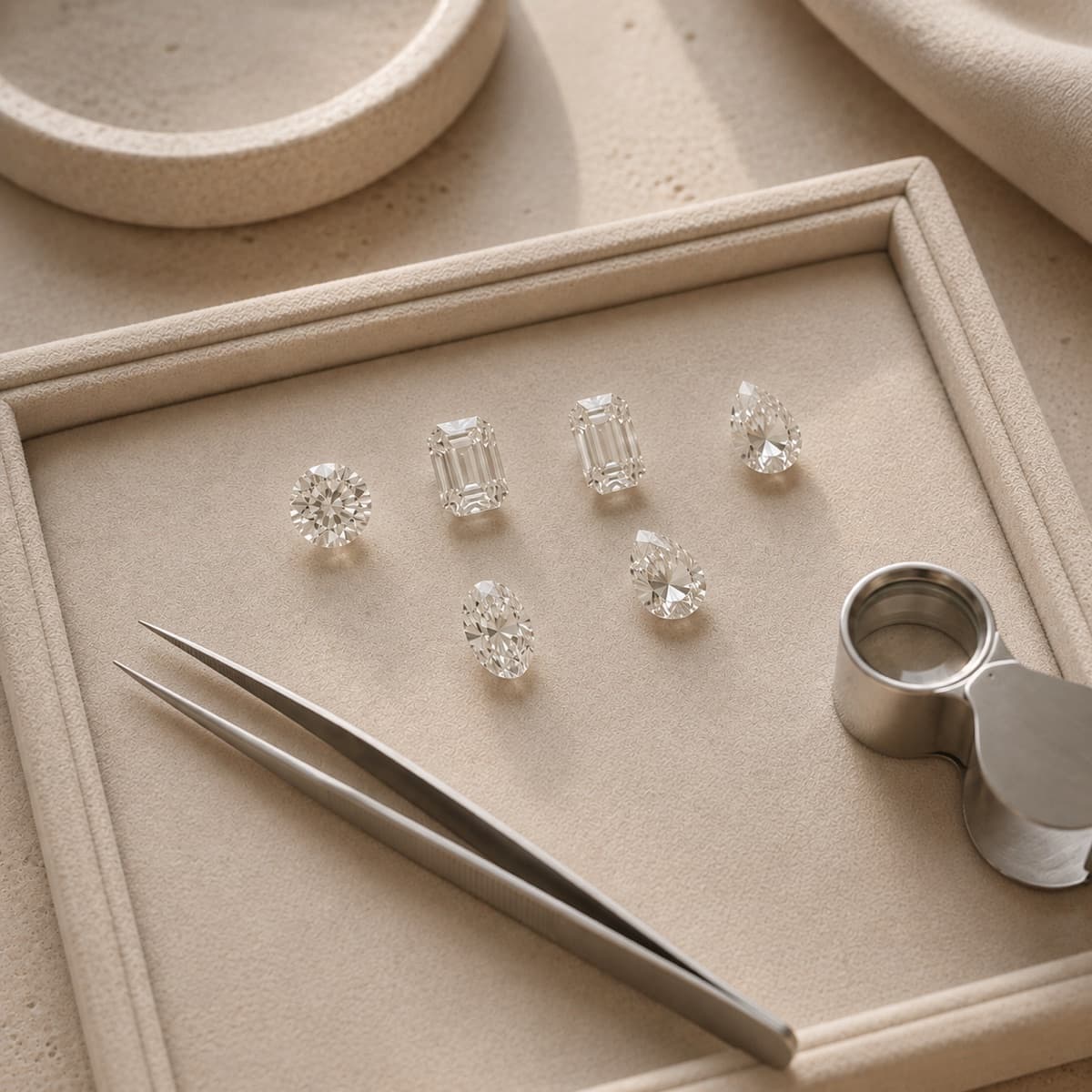
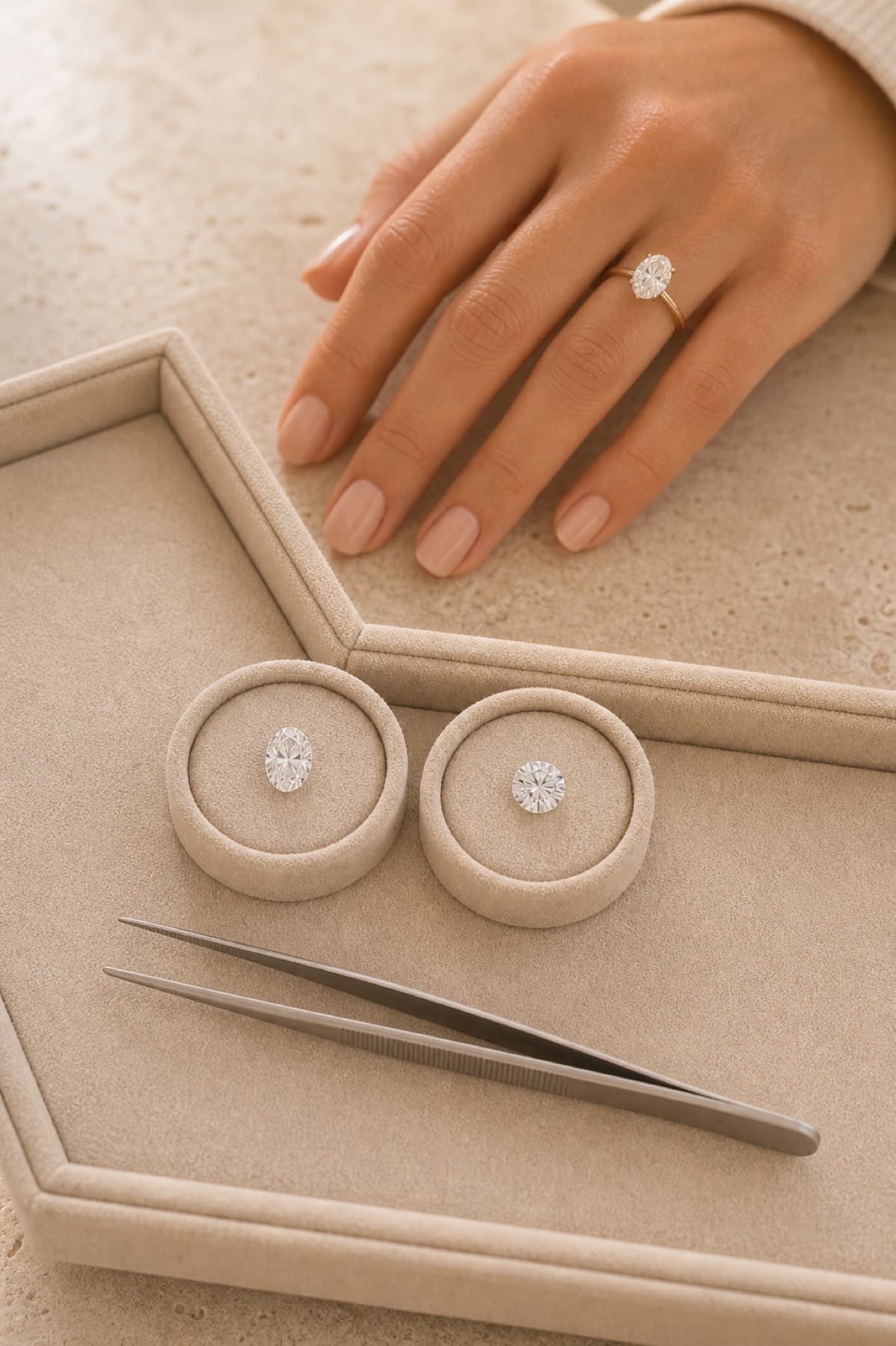
Loose natural diamonds in several shapes on a jeweler's tray
AI-generated inspiration imagery.

Chosen by eye, with the report beside it

Two natural diamonds with the same letters on paper can be a knockout and a dud. The difference lives in things the report doesn't say: how the stone looks face-up, whether it's crisp or slightly cloudy, where the marks sit and whether you'd ever notice them. I buy and sell natural diamonds every week, and by the time you see a shortlist, the duds are already gone.

  • Screened for transparency, flaw placement, and how the stone handles light: the things the report doesn't cover.
  • Choose from photos and video with the reports beside each stone, or in person if you'd rather come look.
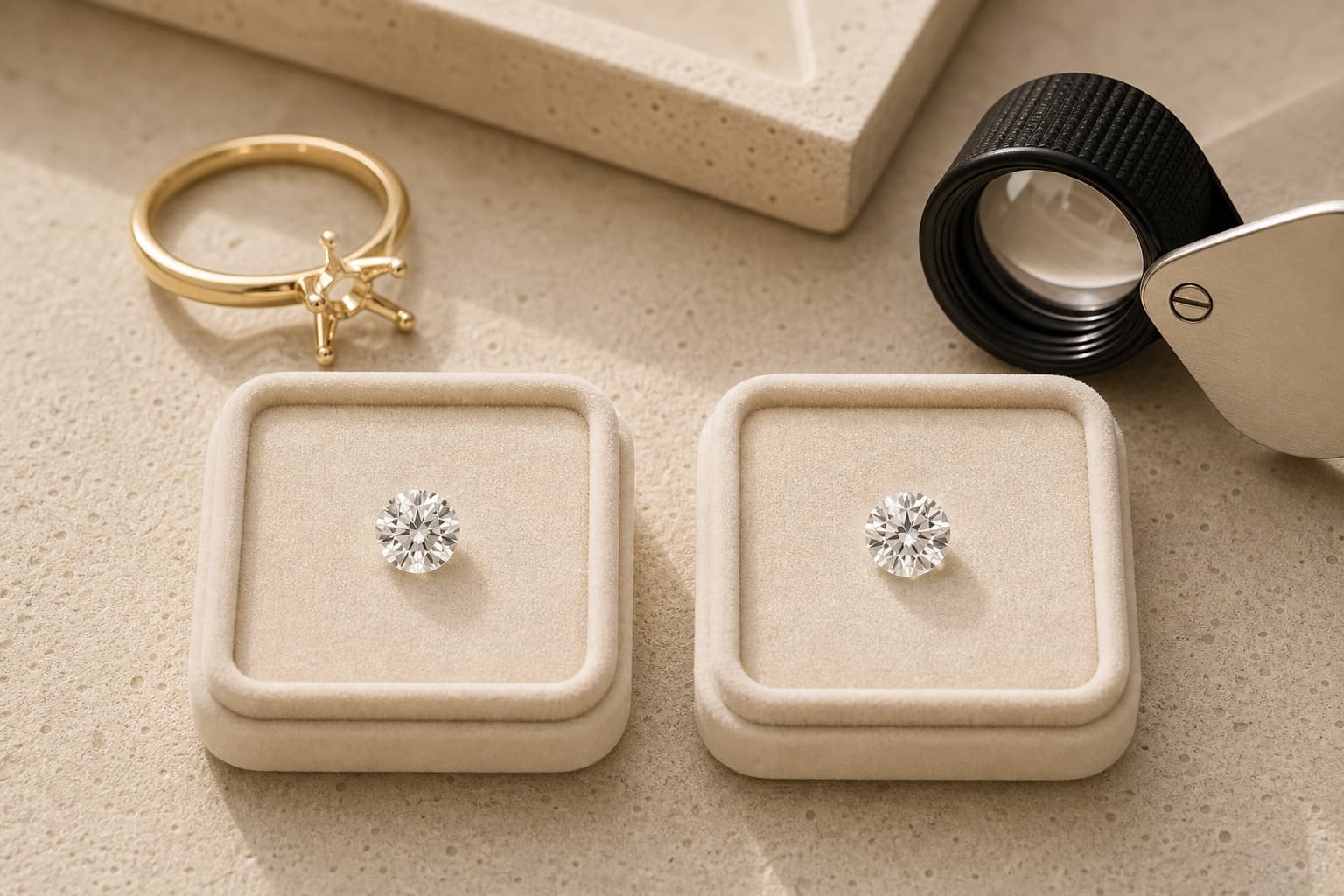
Two loose diamonds compared side by side next to a grading report in a jeweler's tray
AI-generated inspiration imagery.

Where the good natural stones actually go

The best natural diamonds go to private jewelers, because we're choosing one stone for one specific client and we can afford to be picky. The big platforms buy in bulk and price by the grade, and what they're selling is mostly what jewelers like me passed on. That's why I can put a better-looking stone next to a retail listing with the same letters, and why I won't sell you a diamond I haven't looked at.

  • Chosen one at a time, for you, not for a shelf.
  • Bring any listing and I'll compare it honestly, side by side.
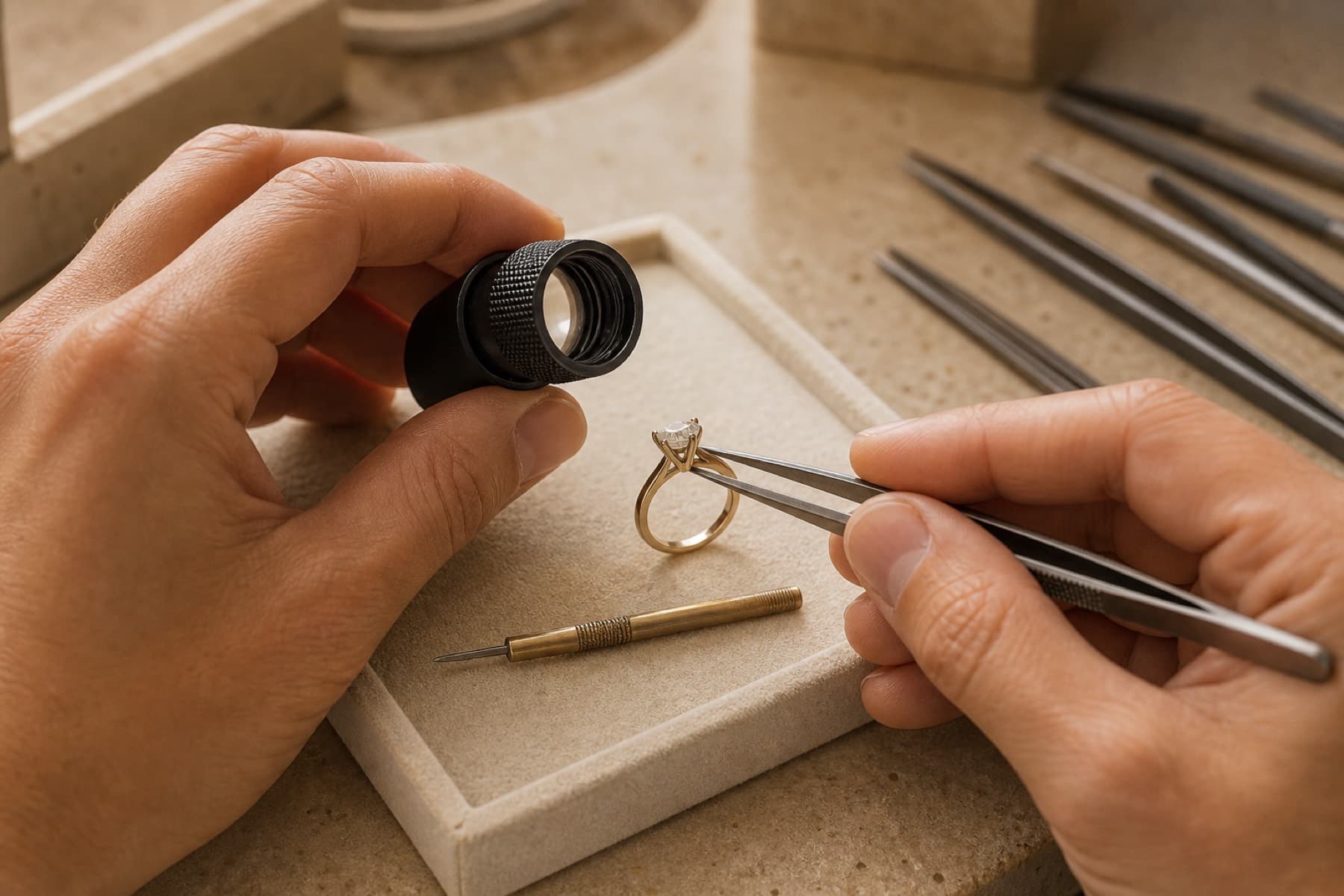
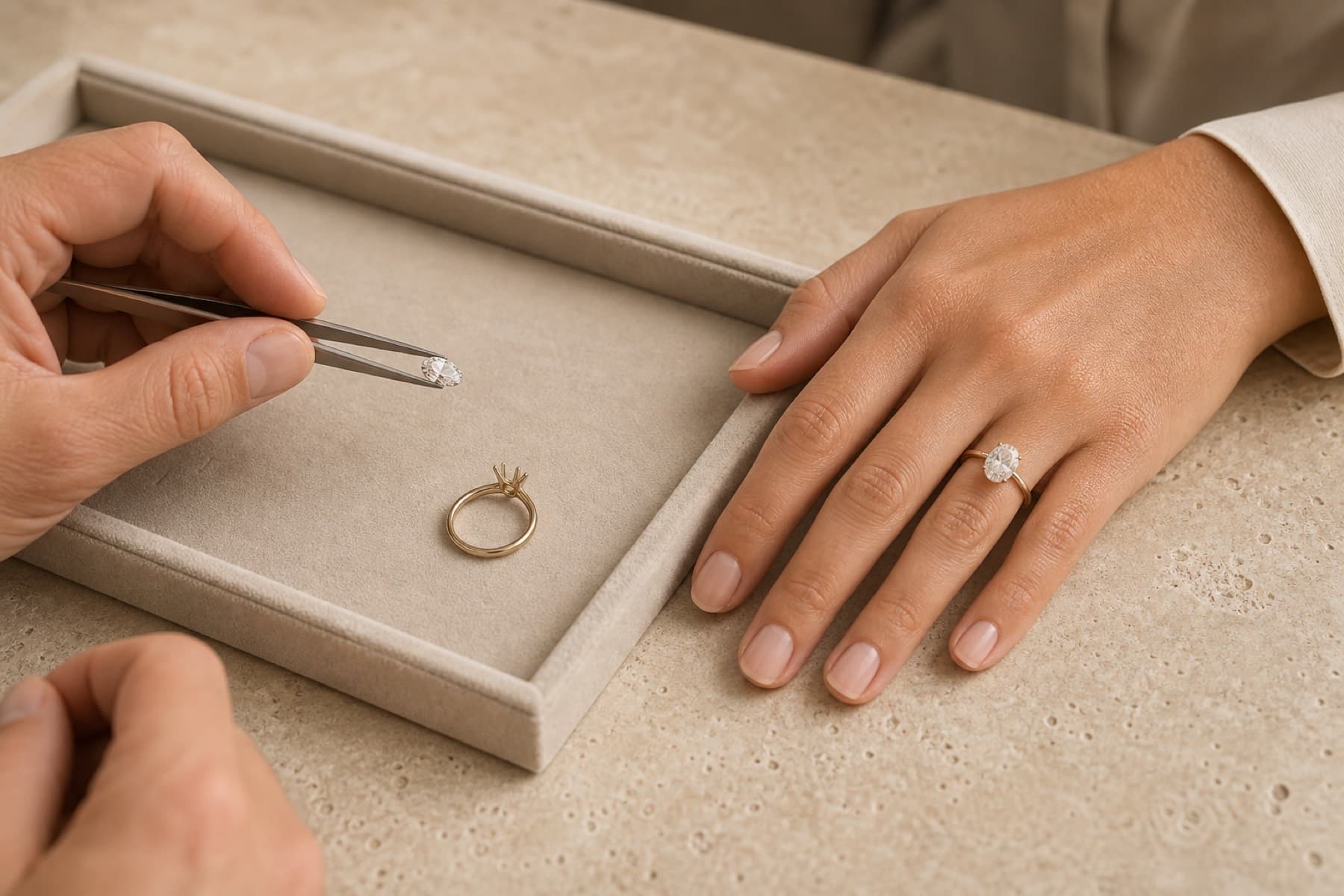
Jeweler's hands inspecting a ring setting in a warm private studio
AI-generated inspiration imagery.

The setting comes after the stone

Once the diamond is chosen, the setting gets built to its exact proportions: a classic solitaire, a hidden halo, a bezel, something vintage-inspired, or a fully custom design when nothing close exists. That order matters. A setting designed around your actual stone sits better, protects better, and looks like it was always meant to be one piece, because it was.

  • Made to order, modified, or fully custom, whatever the design needs.
  • If there's a proposal date, we plan backward from it.
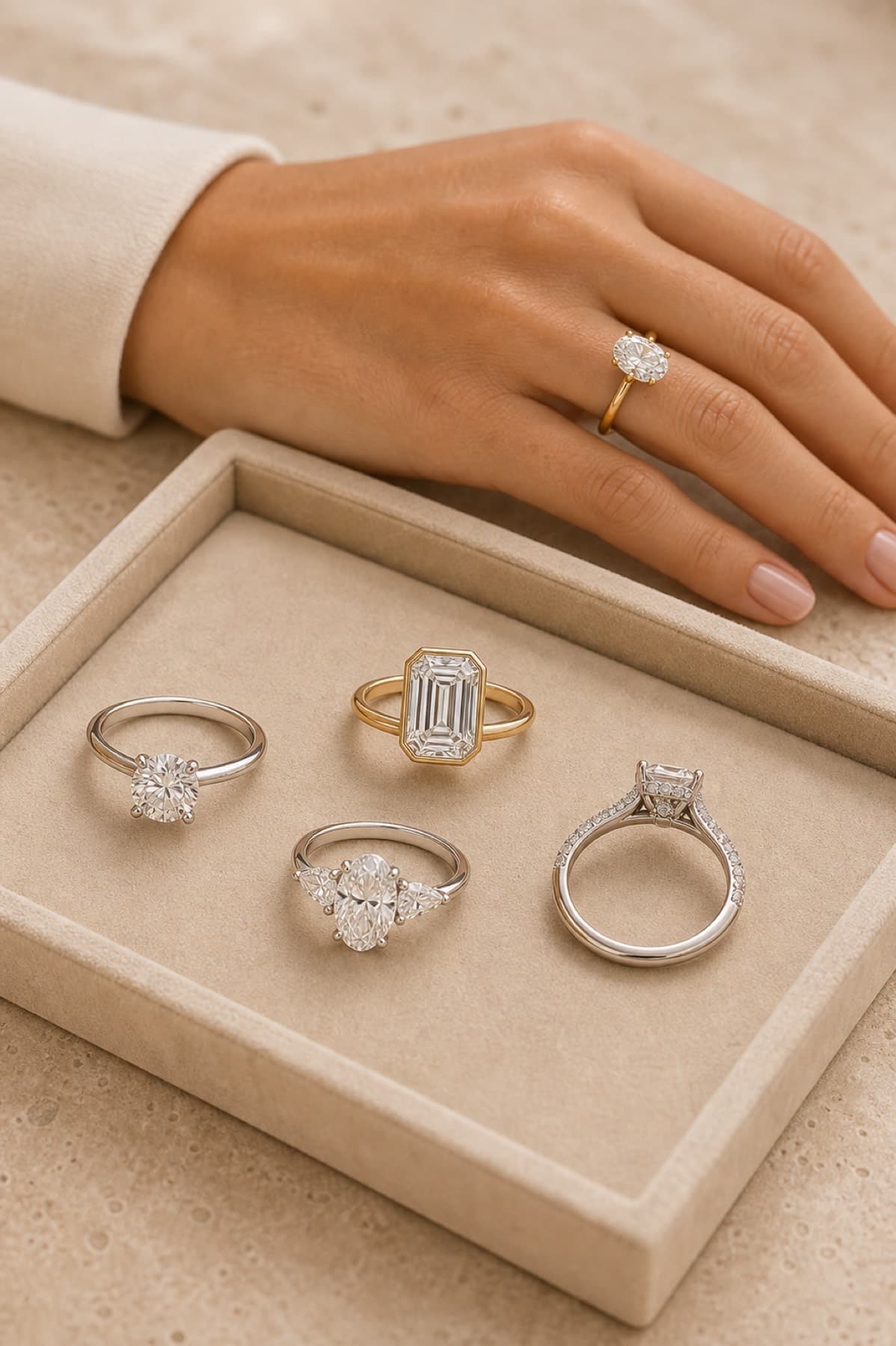
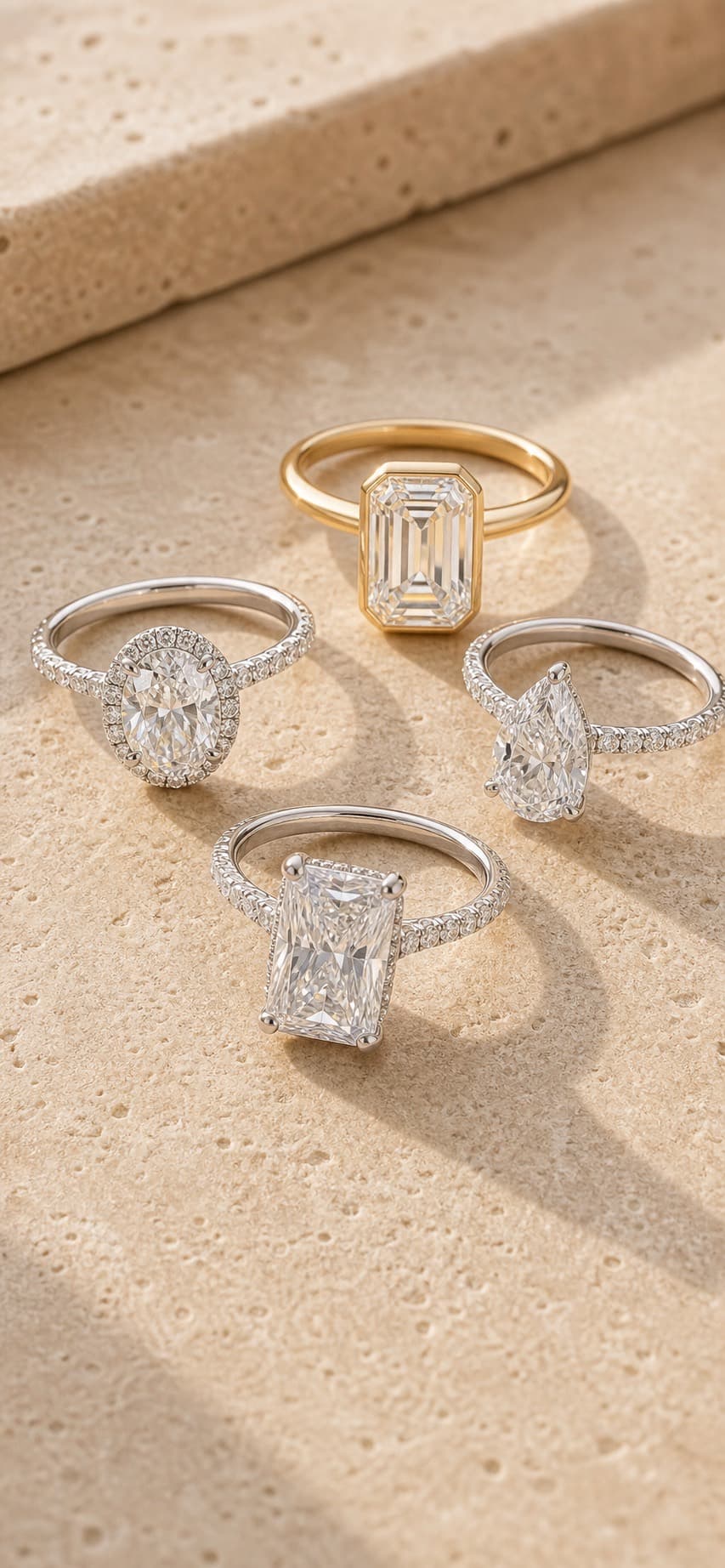
Engagement ring setting options on a cream jeweler's tray
AI-generated inspiration imagery.

Designed and built in the USA

Made by master jewelers. Built to last a lifetime.

A lot of jewelry sold today, custom or not, is mass-manufactured and imported. Everything we make is made here in the United States, by master jewelers and U.S. manufacturing partners who are the best at what they do. Quality comes first, because this is something you’ll wear every day for the rest of your life.

That’s where the value is. Working directly with me often costs less than a big-box jewelry store, and the quality is in a different class.

Text Andrew a Photo

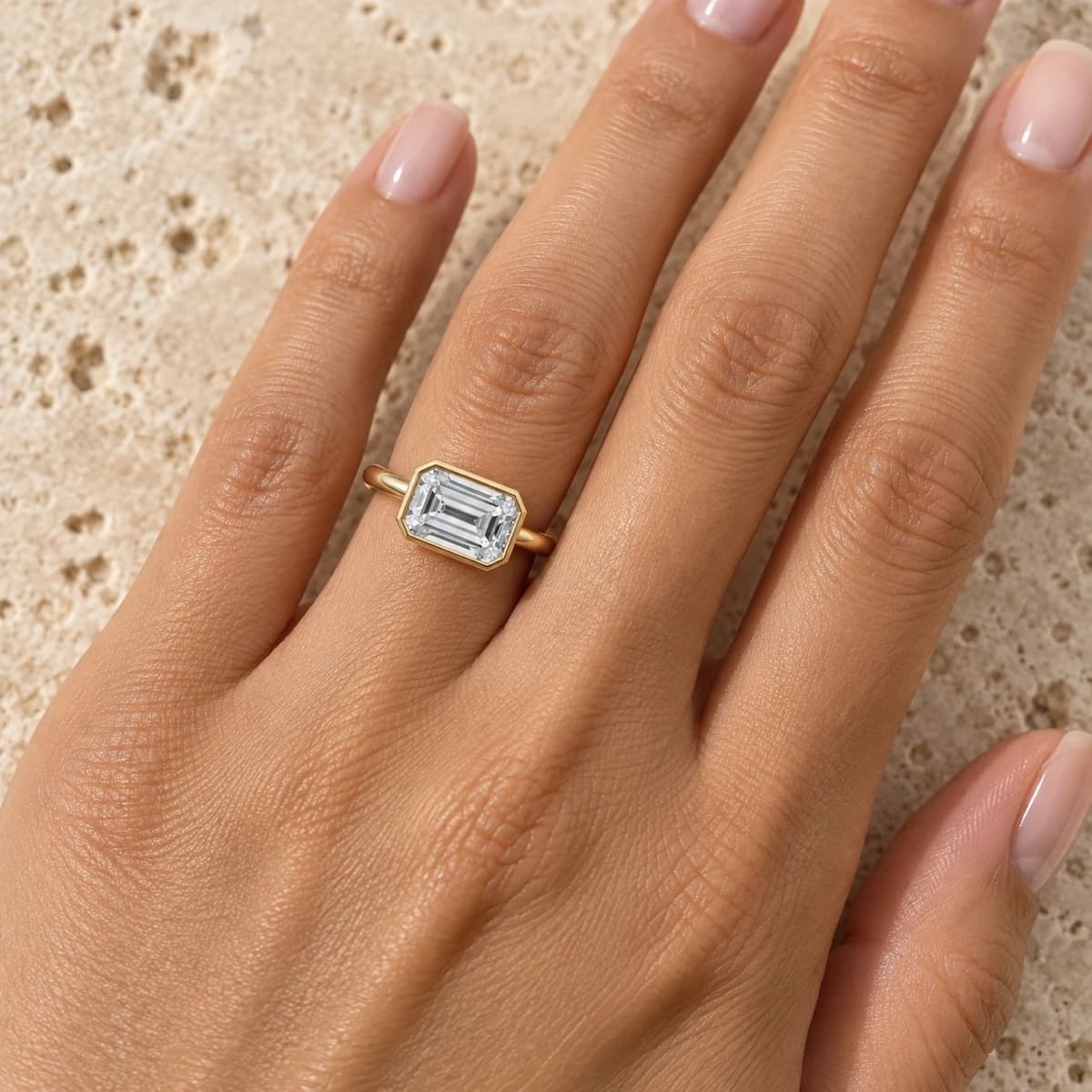
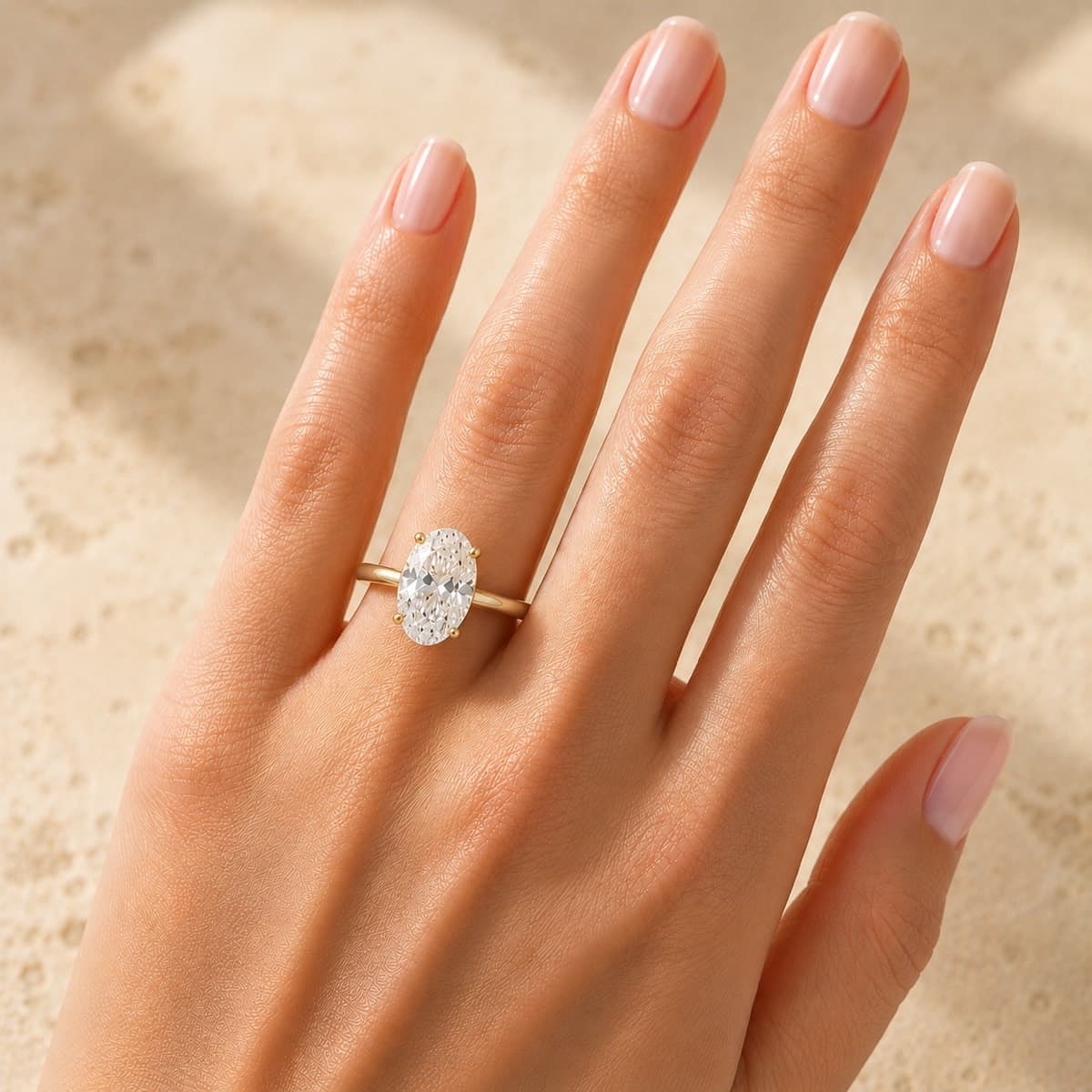
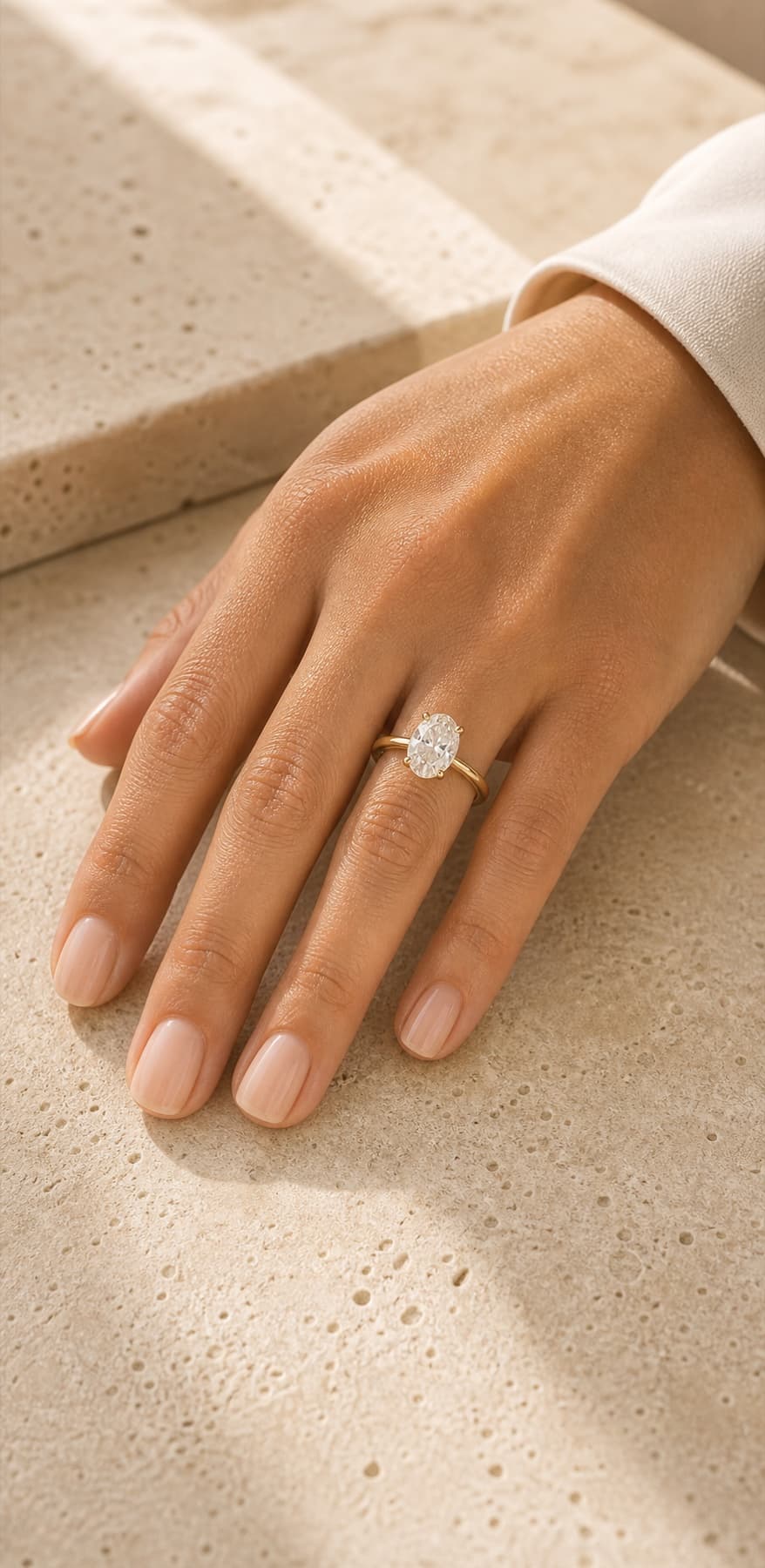
What quality looks like on your hand

A diamond worth the work

Natural or lab-grown, from the best sources I know, and chosen by eye so the stone lives up to the ring around it.

The right height

Set so it doesn’t catch on sweaters or hair, and doesn’t hide the stone either.

Strong, even prongs

Thin or uneven prongs are how diamonds get lost. These are formed to hold for decades.

A clean finish

Smooth wherever it touches skin, and clean where light enters the stone.

A band that fits beside it

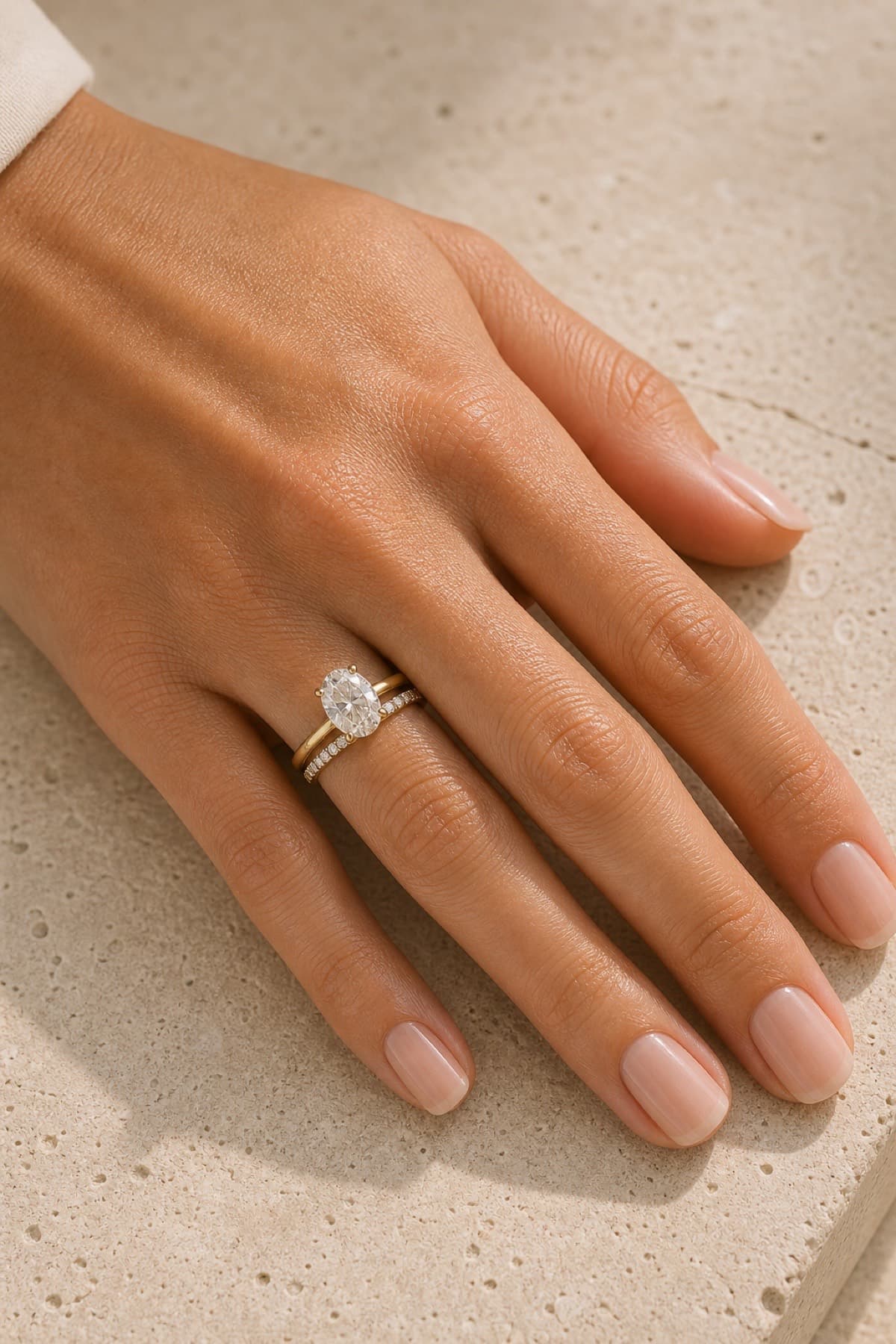
Made so your wedding band sits flush against it, with no gap.

Inspiration, not inventory

Design directions to customize

View all directions

In their words

“He put two diamonds with nearly identical reports under the loupe and showed me exactly why the cheaper one wasn’t the better deal. I have never had anyone in a sales situation talk me out of spending money before.”
Priya · Radiant engagement ring

Questions couples ask before they start

Are natural diamonds worth it?

If origin and rarity matter to you, yes, and there's nothing to apologize for. If they don't, a lab-grown stone buys more visible size for the same money. The mistake is buying either one off a report without seeing it.

Can natural diamonds be used in CAD custom rings?

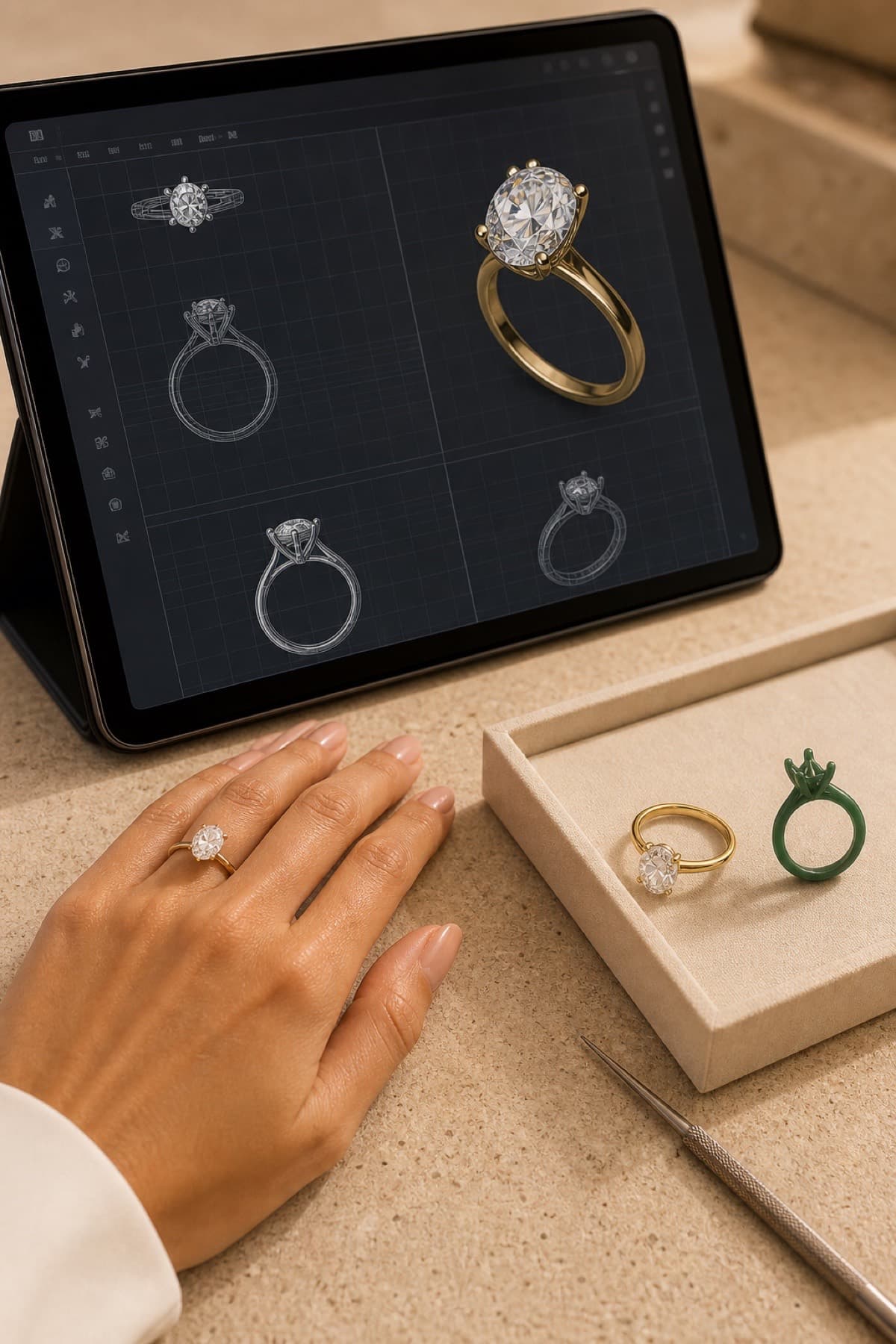
Yes. CAD is often how a setting gets built around the exact stone, especially for unusual proportions or low profiles.

Should I choose the natural diamond before the setting?

Usually. The stone's exact proportions drive the setting, so we lock the diamond direction first and refine the mounting around it.

How do I know a natural stone is fairly priced?

Send me any written quote and I'll walk you through what it actually includes: the stone, the metal, and how and where the ring is made. I know what these stones trade for, because trading them is most of my week, and if the other ring is genuinely the better value, I'll tell you.

Text Andrew

Text Andrew the ring style you keep coming back to.

A photo, sketch, or even a rough idea is enough to start. I can usually tell you whether the smartest path is a sourced diamond, a modified setting, a CAD build, or a short call to compare options.

Prefer a call or text?

Prefer to reach Andrew now? Call or text 619-279-7738.

By submitting, you are asking Luxury Custom Jeweler to contact you about your inquiry. See our Privacy Policy.

Andrew Gonzalez, GIA Diamonds Graduate
Trained by GIA to judge a diamond by eye, not just by its report.
30+ years in jewelry
Choosing diamonds and building custom jewelry, every week.
Designed and built in the USA
All our custom jewelry, made here by master jewelers and U.S. partners.
The price in writing first
A written plan and a real number before any deposit.