
Guide
What a Diamond Report Won’t Tell You
By Andrew GonzalezGIA Diamonds Graduate8 min readUpdated
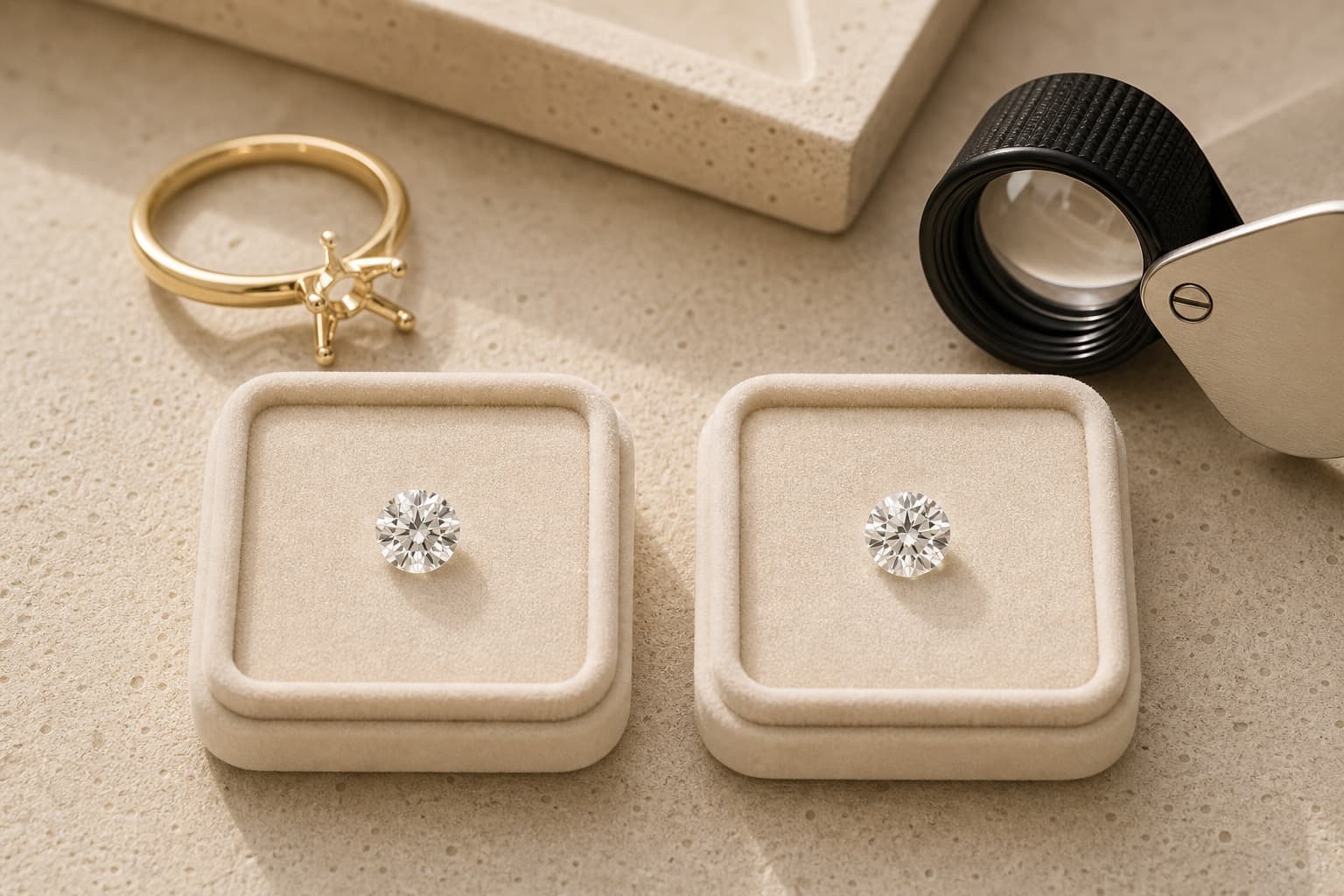
I’ve spent more than thirty years buying and selling diamonds, and one lesson comes up more than any other: the report is the beginning of the conversation, not the end of it. Two stones with the same letters on paper can look completely different in your hand. That gap, between what the paper says and what your eye sees, is exactly where uninformed buyers lose money. It’s also why I became a GIA Diamonds Graduate instead of just trusting the paperwork.
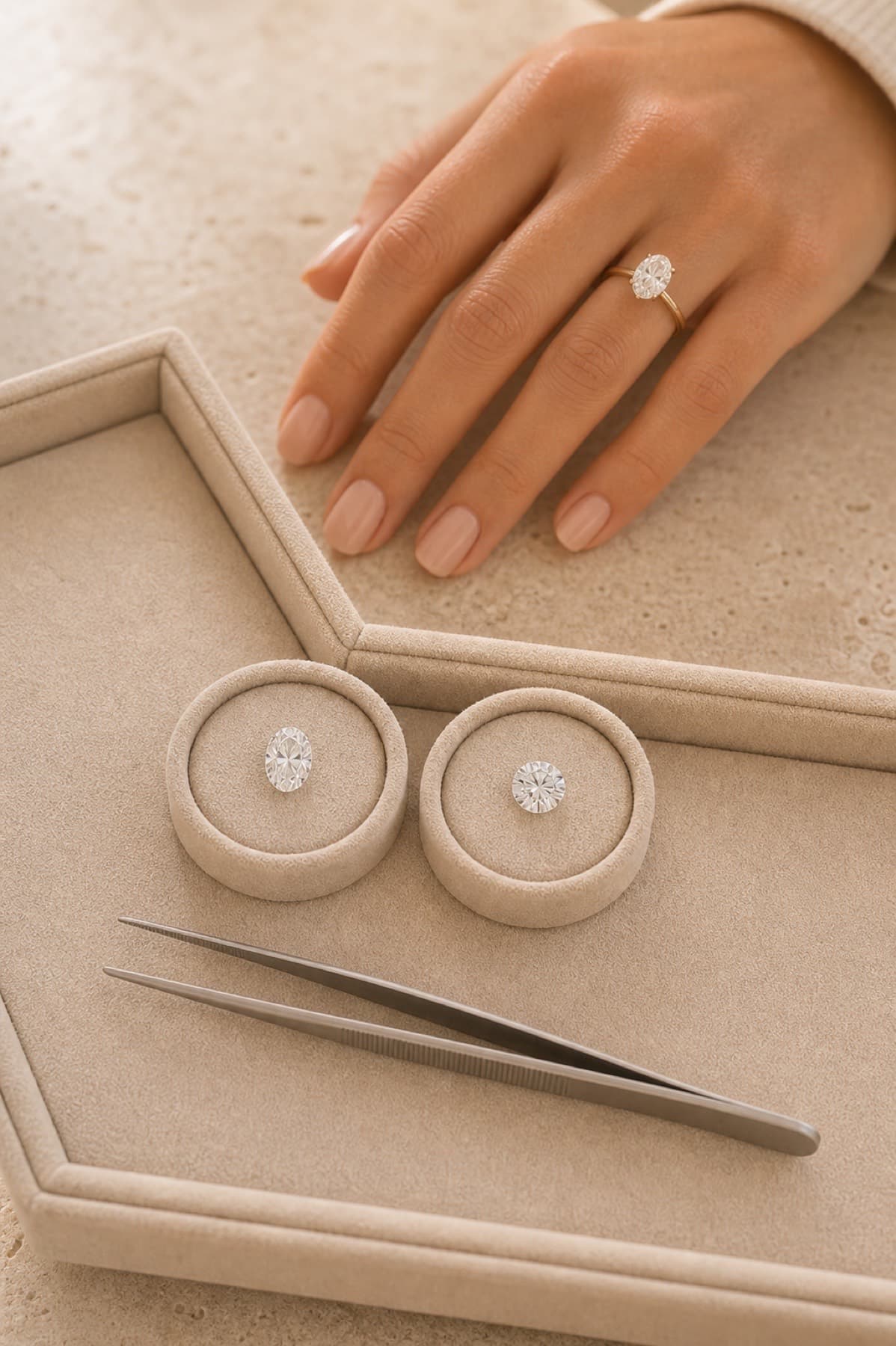
Same paper, different stones
A grading report records a handful of measurable qualities: carat weight, color grade, clarity grade, and, for round brilliants only, a cut grade. Those are real and useful. But they are a summary, the way a few statistics summarize a ballplayer. Plenty of what makes a diamond beautiful, or disappointing, never appears on the page.
Sellers who move stones by the thousand know this. When a business sells you a diamond off a report, sight unseen, the stones that look worse than their paper have to go somewhere. They go to whoever is buying on paper alone.
Where the inclusion sits matters more than its grade
Two stones with the same clarity grade can be worlds apart. An inclusion tucked near the edge of the stone can disappear under a prong forever. The same size inclusion dead center under the table, the big flat facet on top, can catch your eye every time you look down at your stone, and it can reflect inside the diamond so one flaw reads as three.
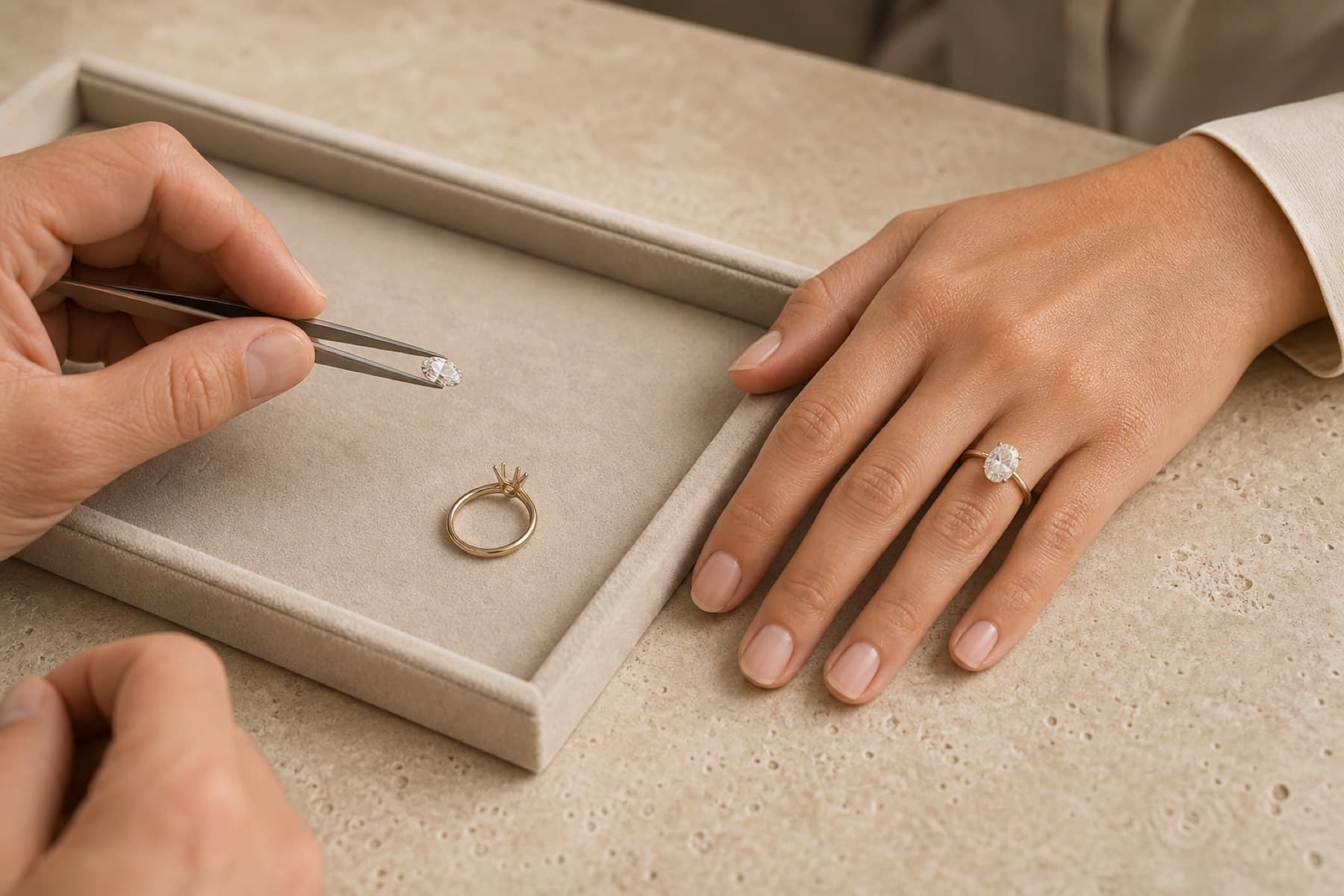
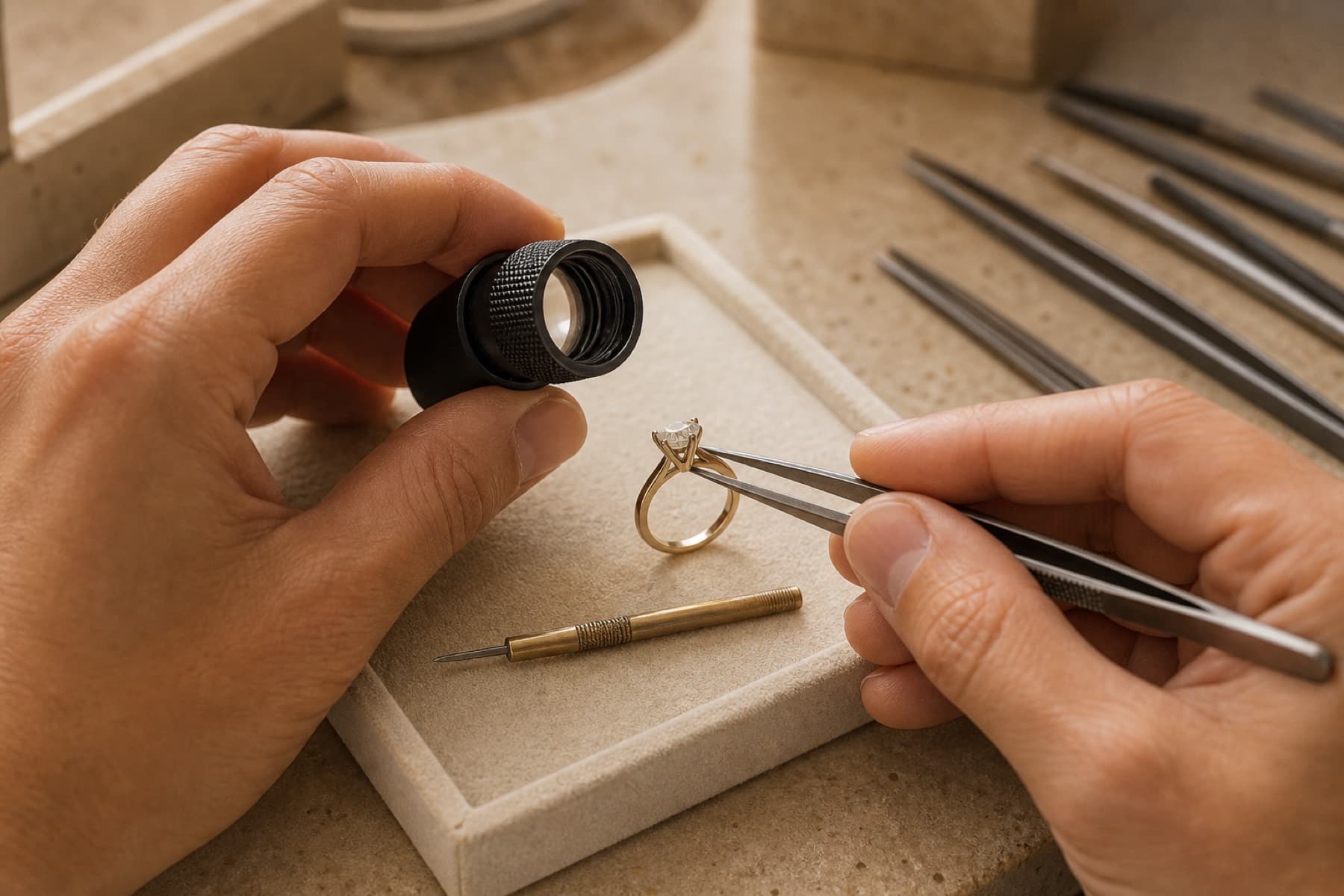
The report’s clarity plot shows that inclusions exist and roughly where. It does not tell you whether they matter on the hand. That judgment takes a loupe, good light, and someone who has looked at thousands of stones.
- “Eye-clean” is not a grading term. It is a judgment call made in person.
- An inclusion under a prong location can be invisible for life.
Milkiness and haze are not graded at all
Transparency, meaning whether a stone is crisp or slightly milky, does not appear anywhere on a standard report. A hazy stone can carry beautiful grades and still look dull, like a window that needs cleaning. Jewelers have a shorthand for the worst offenders, and stones like that get quietly routed to buyers who never see them before purchase.
Strong fluorescence is listed on the report as an intensity, but the paper won’t tell you whether it makes that particular stone glow oily in daylight. Some fluorescent stones look wonderful. Some don’t. You find out by looking.
Color is a range, not a point
Two stones with the same color letter can lean different directions: one icy, one warm, one with a faint brownish cast the letter doesn’t capture. Shape and size change how color shows, too: the same grade reads differently in a large elongated stone than in a small round one.
Fancy shapes have no cut grade
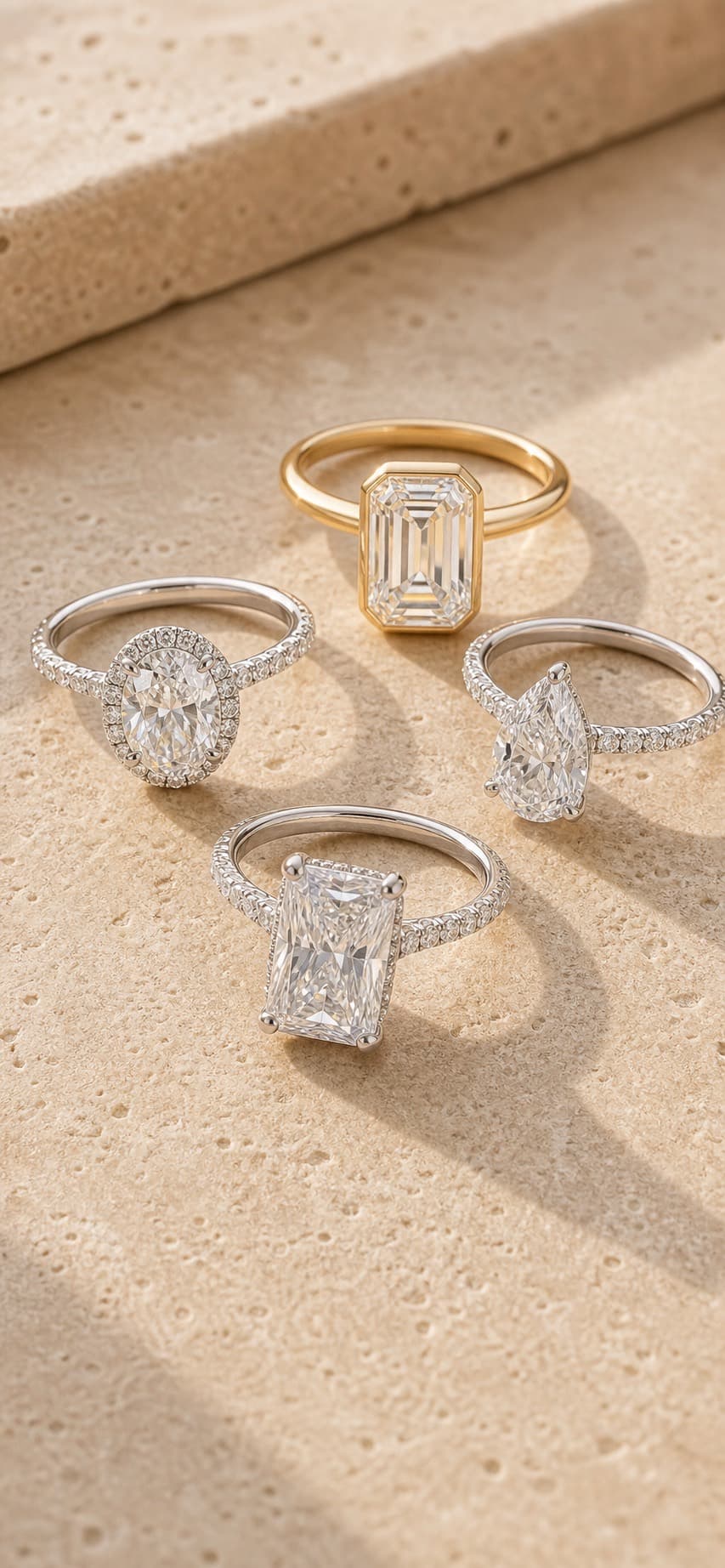
This is the one that surprises people most. GIA assigns a cut grade to round brilliants only. Ovals, cushions, pears, radiants, emeralds, marquises, the shapes most couples are saving photos of right now, carry no cut grade at all.
That means the single most important factor in how a fancy-shape diamond performs is graded by nobody. The dark band that can cross the middle of an oval or pear. A dead, glassy center in a cushion. Depth that hides carat weight in the belly of the stone where you’ll never see it. None of it is on the report. Two ovals with identical paper can be a knockout and a dud.
- The dark band across the middle that some ovals, pears, and marquises show: not on the report.
- Face-up spread, meaning how big the stone actually looks, must be calculated, not read.
- A deep stone can cost you a quarter of its carat weight in invisible depth.
Not all reports are written by the same hand
Grading is opinion, and labs differ. The same stone can earn different letters at different labs, which is why a bargain that leans on a generous report usually isn’t one. When I compare quotes for clients, the first thing I check is whose opinion the price is built on.
What to do about all of this
None of this means reports are useless. I read them every week, and I’d never buy without one. It means a report plus a trained eye beats a report alone, every time.
My job is exactly that gap. You tell me the look and the budget. I go find stones, reject the ones whose paper flatters them, and bring you the honest ones: photos and video shot the way I am looking at them, the reports beside them, and my read on each one in plain words. Most clients choose from that without ever coming in. You see what I see before anything is set. That is the whole advantage of hiring someone who buys to build instead of buying from a listing. If you want to see these differences for yourself, the Diamond Study is a live diamond you can cut too deep, cloud up and relight. If you want the paperwork explained first, how to read a grading report goes through it line by line.