Skip to content
Andrew Gonzalez, Luxury Custom JewelerLuxury Custom Jewelerby Andrew Gonzalez

What your money actually buys

Nothing here needs to be sold to you.

That sounds like a small thing. It decides everything else. A jewelry store has to move what is already in its case, so the ring you leave with is chosen from whatever they happened to buy months ago. I keep no inventory, so when you tell me what you’re looking for, I go find it, and I can turn down twenty diamonds before one is good enough. You get a better stone, advice with nothing riding on it, and a price with no showroom inside it.

30+ years of experience building custom engagement rings, wedding bands, and custom jewelry. GIA Applied Jewelry Professional.

Text Andrew your budget
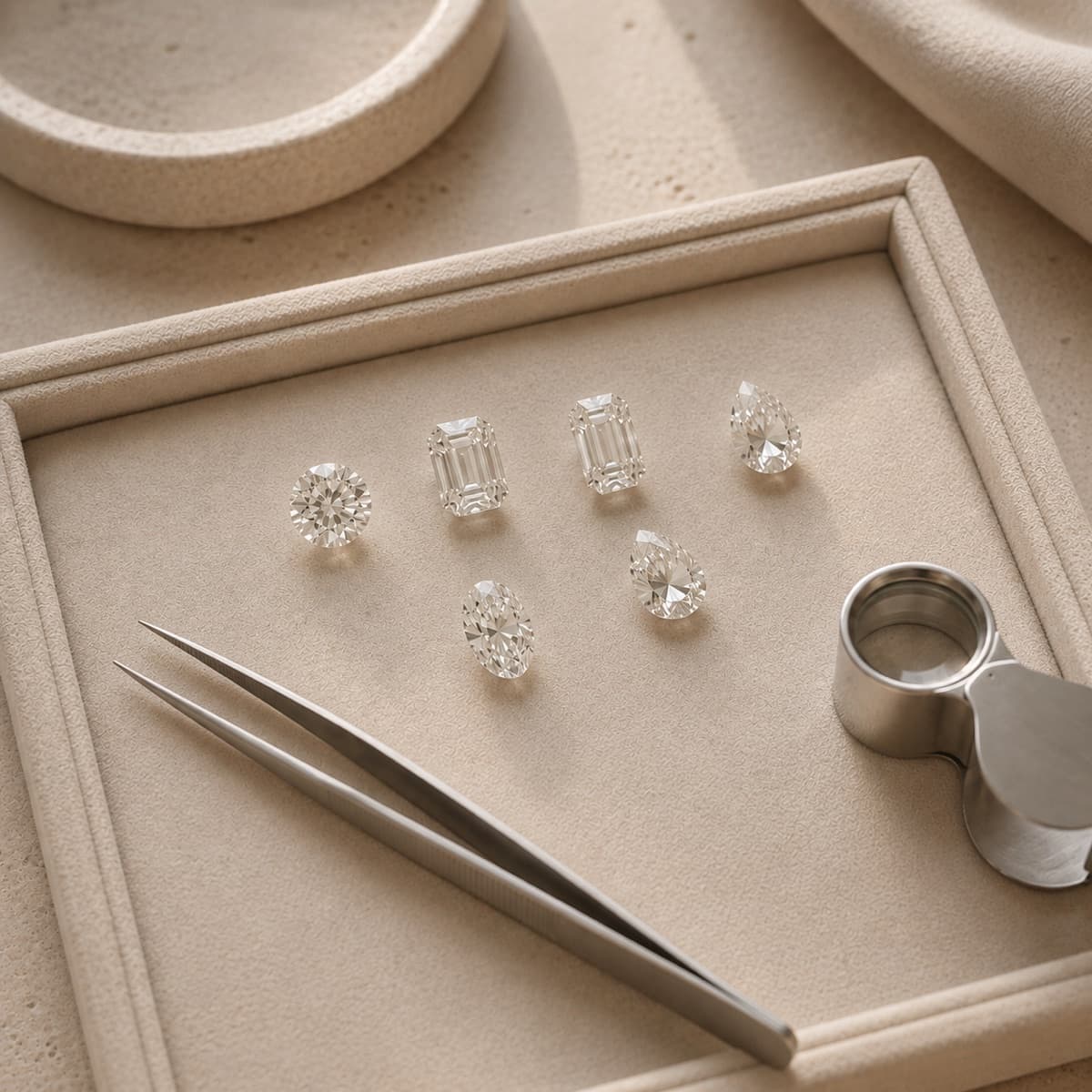
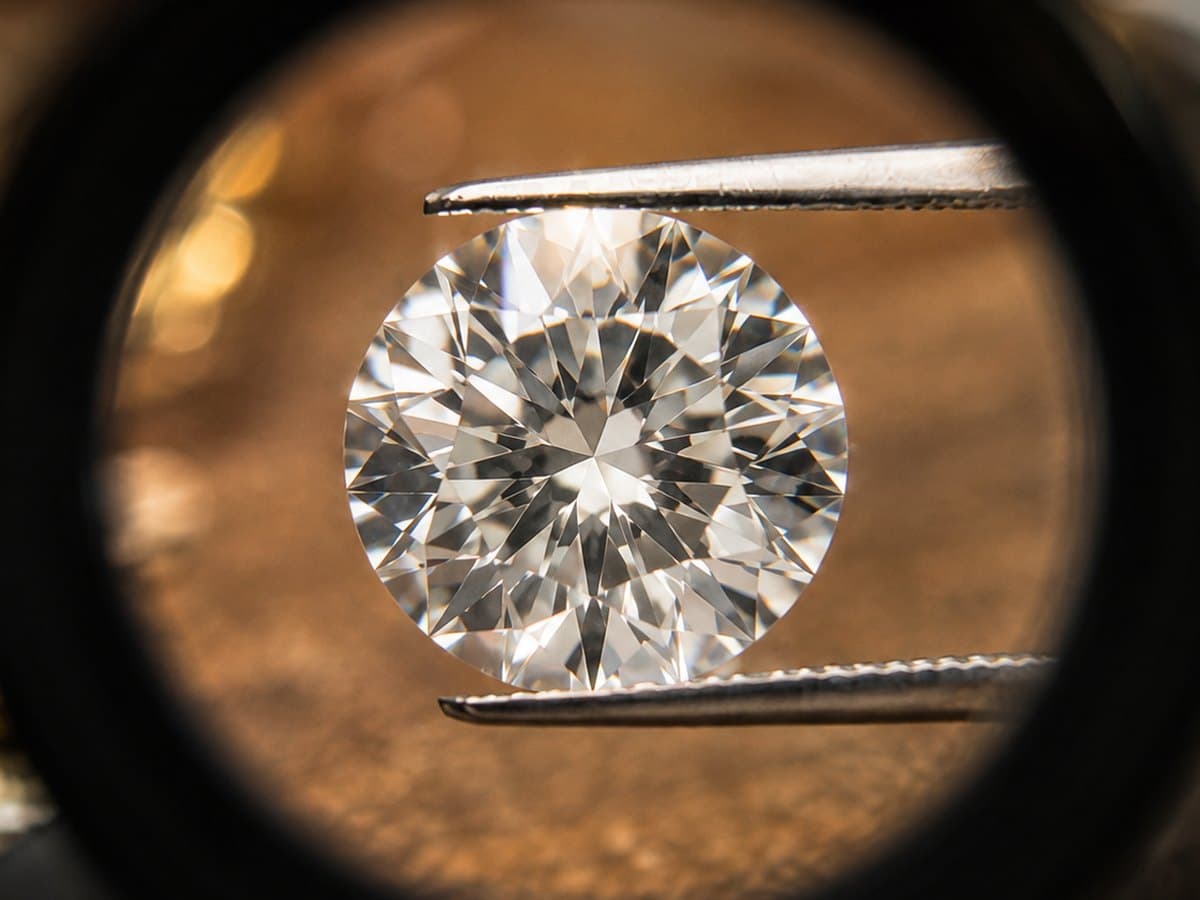
Loose diamonds in several shapes on a jeweler's tray with tweezers and a loupe
Stones called in for one client, not stocked for a case.

Why it works this way

A store has to sell the case. I get to start from nothing.

Here is the part most people never think about. A jewelry store buys its rings long before you arrive, borrows to do it, and pays rent on the room they sit in. Everything in that case has to move. That means the ring you are shown is the ring they need to sell, and the person showing it is often paid on what you choose.

I have none of that. No case, no inventory, nobody on commission. When you tell me what you’re after, I have nothing to steer you toward, so I can say the honest thing every time: buy the smaller stone, wait three months, or take the deal you already found somewhere else. That freedom isn’t a nice extra. It’s the reason the ring comes out better.

  • No case, so there is no stone I need you to take.
  • No commission, so nothing changes for me if you spend less.
  • If the best answer is somewhere else, you will hear it from me.
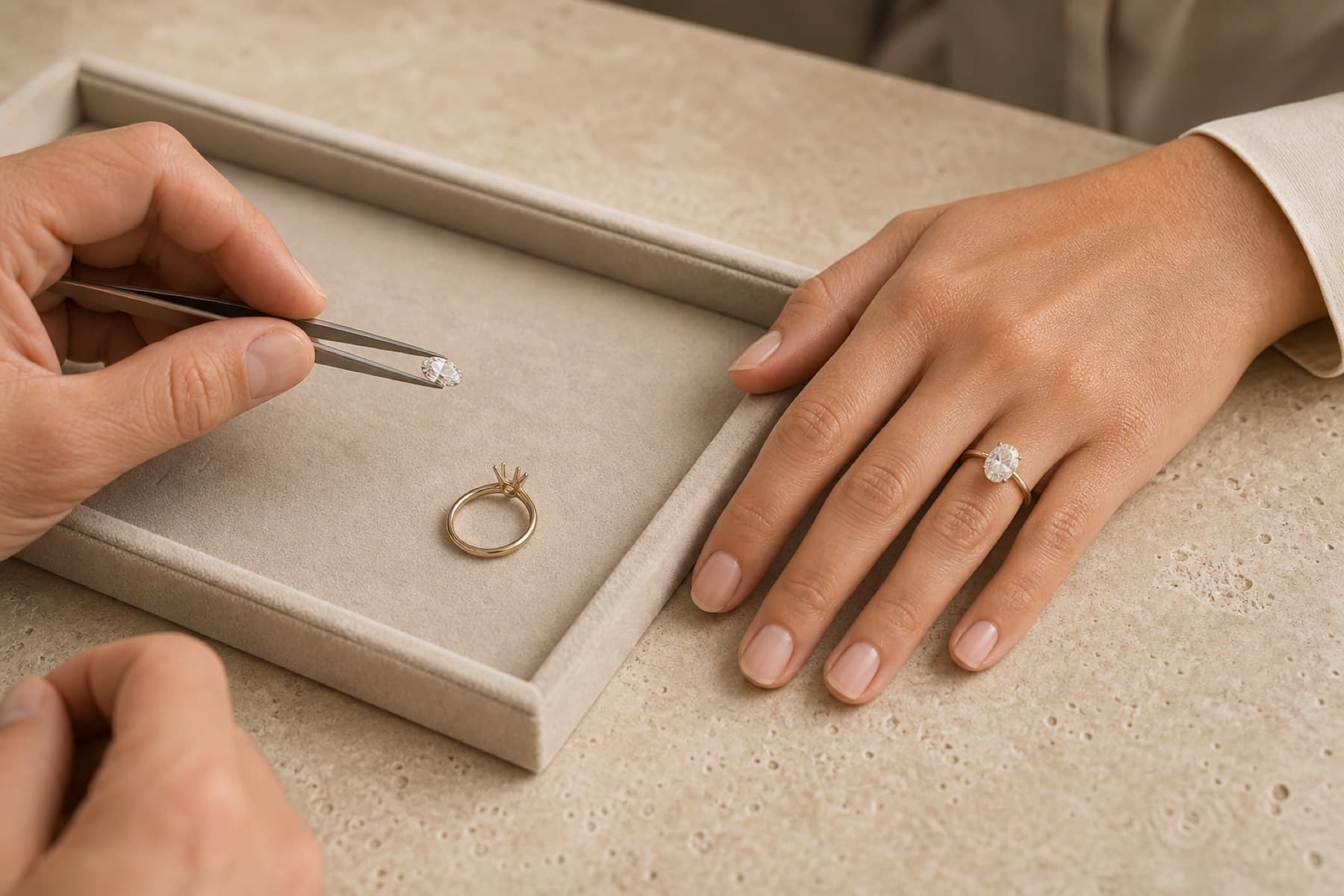
A one-on-one consultation at a private jeweler's desk, no showroom and no sales floor
AI-generated inspiration imagery.
A diamond seen through a jeweler's loupe: cloudy, with dark marks across the middle
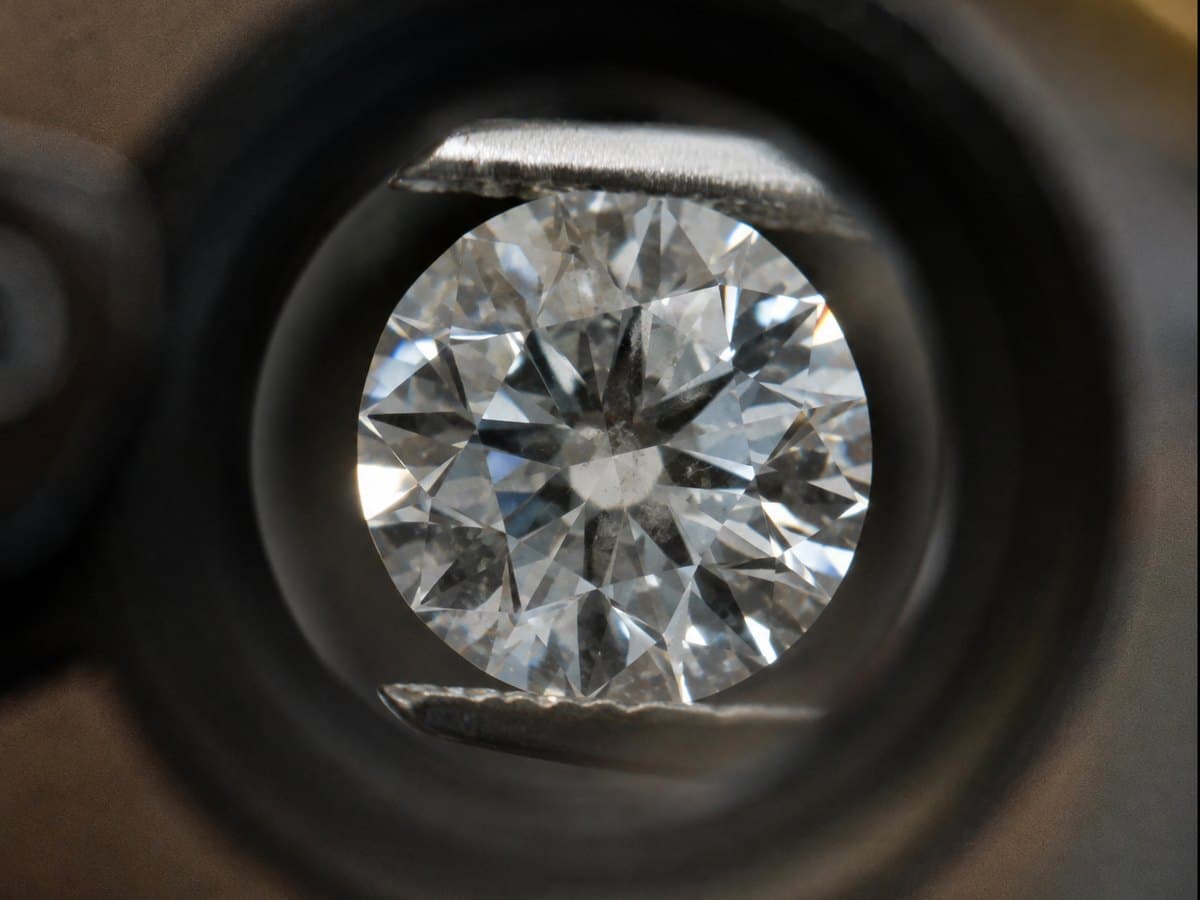
A diamond seen through a jeweler's loupe: crisp and bright, with no visible marks
The one I'd hand youThe one that ends up online
Drag the handle across. Most people would take either one at a glance. That is exactly the problem, and exactly what the report doesn’t settle.

How the stones get chosen

I buy for one ring at a time. That is why the stones are better.

A big retailer buys diamonds by the hundred and needs them consistent and available. I’m looking for the exact stone, or set of stones, that one ring needs for one person, which means I can afford to be impossible to please. Cutters and dealers know that, so the best stones get shown to jewelers like me first, and what’s left over gets sold in bulk to the places that price by the grade.

Then I look at every one of them myself. A report grades color and clarity, but it won’t tell you whether a stone is lively or dull, whether it was cut to sparkle or cut to keep weight, or whether there’s a shadow across the middle you’ll notice every day. That is judged by eye, and it takes years. I’m a GIA Applied Jewelry Professional and I’ve been looking at diamonds for more than thirty years.

  • Chosen one at a time for you, natural or lab-grown, never pulled from stock.
  • Compared side by side with the reports on the desk before you decide.
  • If you can’t tell two stones apart on a screen, that is the argument for having someone look.

More on the gap between the paper and the stone in what a diamond report won’t tell you.

In their words

We walked in thinking $3,500 wouldn’t get us anything special. Andrew built Jasmine an oval that gets compliments almost weekly, and he never once tried to push us past our number.
Tyler & Jasmine · Custom oval engagement ring

Where your money actually goes

Into the stone, the metal, and the work.

Here is the arithmetic, since nobody else will show it to you. A retail ring carries the room, the staff, the security, the insurance, and a case of unsold inventory. That is not greed, it is what keeps a store open. But it is inside the price of everything under the glass. None of it exists here. What is left is your diamond, the metal it sits in, and the hours it takes to build, which is why the same number goes noticeably further. Gold and platinum have climbed, so on plenty of rings the setting is a bigger share than people expect, especially when a lab-grown center stone brings the diamond cost down. You will see every part of it before you decide anything.

Just getting started

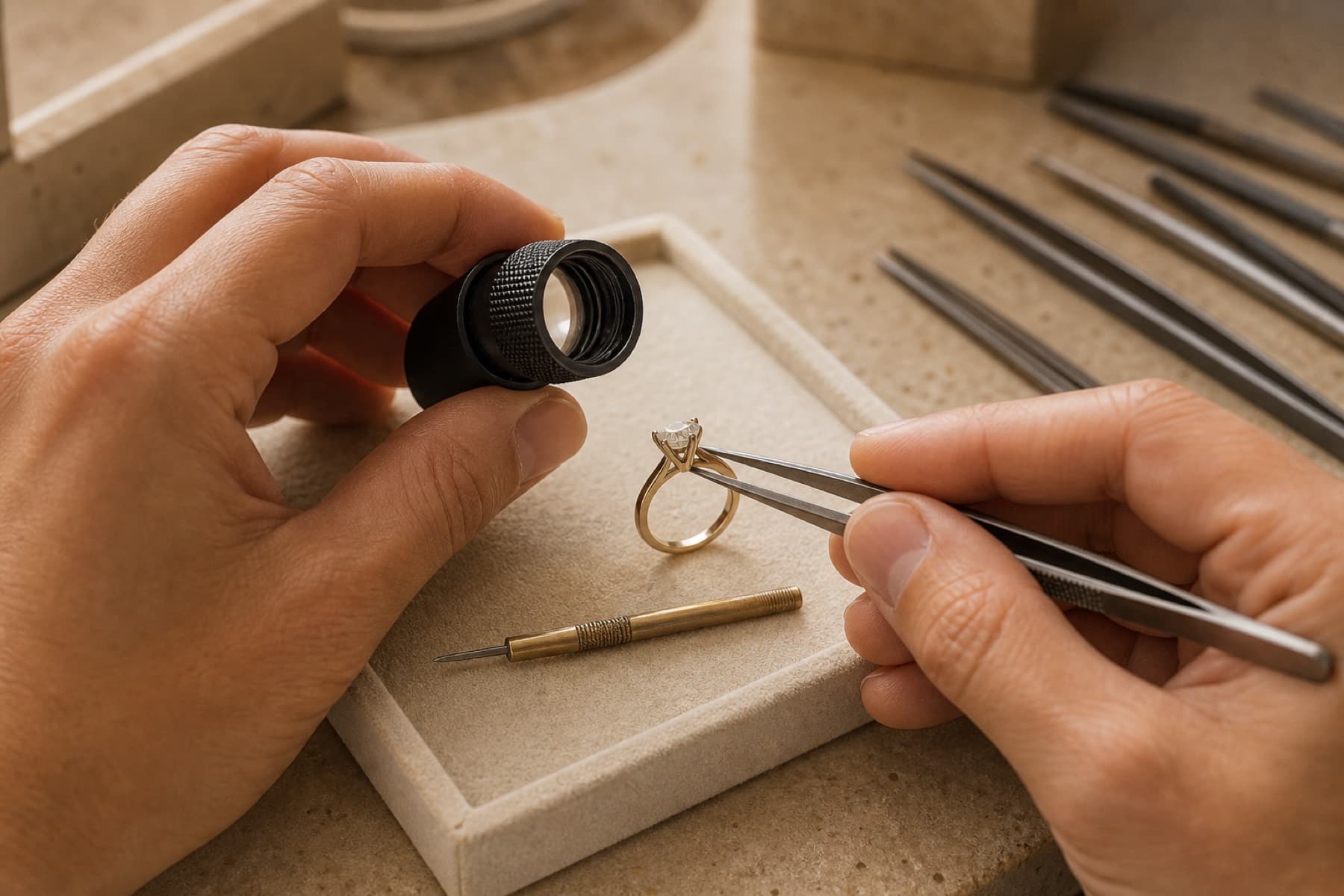
Plenty of couples come to me early in life with a firm number, and that’s where the difference shows most. At a store, a starter budget gets the case in the back. With me, it gets a stone I picked for you by eye, not just by paper, in a setting that fits her hand and your wedding band plan. Lab-grown stretches it further; natural is absolutely in reach.
And well beyond it

The same process scales to serious stones and one-of-one designs: engagement rings, anniversary pieces, earrings, brooches. The rings I’m proudest of are the ones I made for my own family: my wife’s, my daughter’s, and my son’s, which I’m building right now. At every price, the promise is the same: you see the stone, you see the numbers, you approve everything before it’s made.

What it is like to work this way

One person, from the first message to the finished ring.

You text a photo. The reply comes from me. We talk for fifteen minutes, on the phone or in person, and I ask what she actually likes and what number you’re comfortable with. Then I tell you plainly what that number can reach. Nothing is quoted before I understand the ring, and nothing is made before you’ve approved it.

When there are stones worth comparing, we meet at the Jewelers Exchange and look at them together with the reports beside them. That is the point where meeting in person earns its keep, and everything before it runs on the phone. If you’re not in San Diego, you get photos and video of every candidate and my honest read on each.

  • The person you text is the person who picks the stone and builds the ring.
  • The price and the timeline in writing before any deposit.
  • Most rings finish in about 14 to 30 days once the diamond is chosen.
Andrew working on a custom engagement ring in his private San Diego studio
AI-generated inspiration imagery.

How paying for a ring works here

A contract, a deposit, and no surprises.

The money side should be the least stressful part. Here is the entire arrangement, in order.

Tell me the number

Your budget isn’t a negotiating position here. It’s what I design to. I’ll tell you plainly what it buys and where it stretches furthest.

A short written contract

Plain terms: what we’re making, what it costs, how the process works. You know everything before anything starts.

Deposit, then sourcing

The deposit lets me go buy your stone and materials. I buy to build, not to fill a showcase. You inspect and approve before anything is set.

Balance before the finish

The remainder is due before the ring is finished. Most rings finish in 14–30 days.

That’s the money side. The whole road from photo to finished ring is on how it works, step by step.

The open-book offer

Bring any written quote. Put it next to mine.

From a store, from a website, from the guy your coworker knows. Bring it. Same specifications, side by side, my number in writing. I buy and sell diamonds and gold wholesale every week; if the other deal is genuinely better, I’ll tell you to take it. That offer costs me nothing, because it almost never happens.

Wondering why two diamonds with the same report can carry very different prices? Read what a diamond report won’t tell you

Before you buy anywhere else

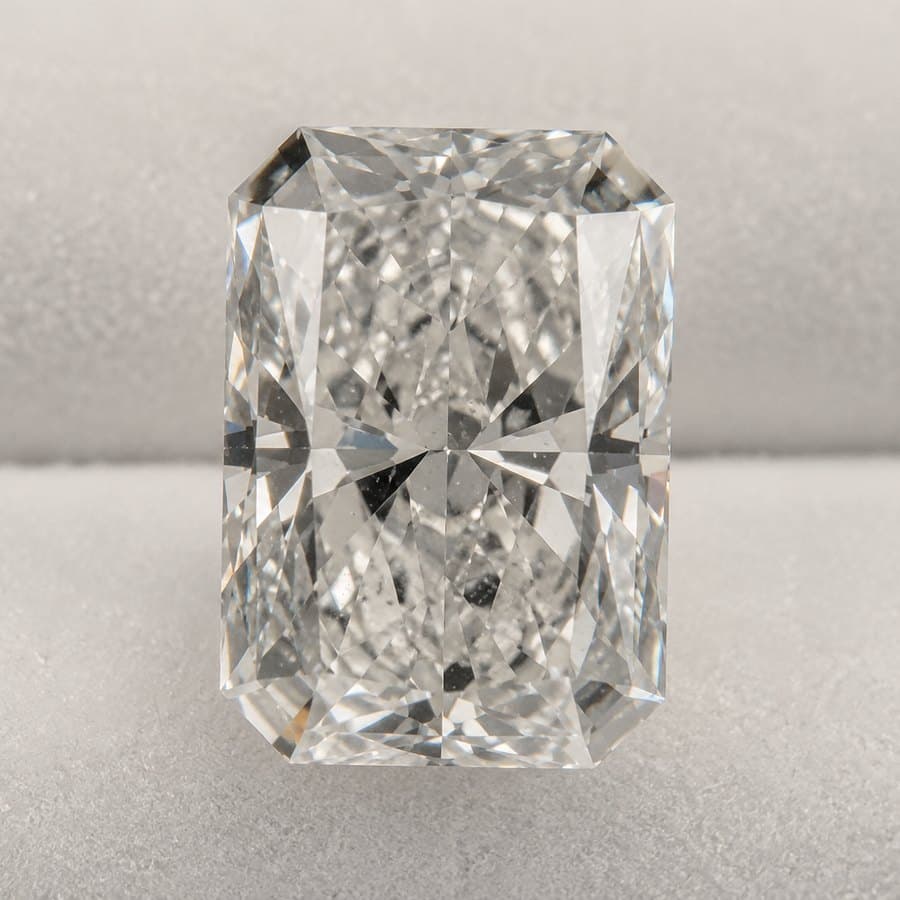
This is everything a listing can tell you.

Buy from a website, an auction, or a live sale and this is what you are trusting: a photo, a few letters and numbers, and a claim. Notice what the page never commits to, and notice that the pitch is the discount rather than the stone. Send me the listing before you buy and I will tell you honestly whether it is a good one.

an online diamond retailer
A loose radiant-cut diamond photographed against plain grey, the way online sellers list a stone
Online exclusive

2.01 ct Radiant Cut Diamond

39% offShips in 2–3 weeks · 127 sold this month
Center stone
2.01 ct
Shape
Radiant
Color
H
Clarity
SI2
Report
Available
Cut
Not stated

Listing claim

“Eye-clean appearance”

An illustration, not a real listing. Everything a page like this can tell you is above, and none of it says how the stone looks.

Questions couples ask before the first appointment

Isn’t a private jeweler more expensive than a store?

Usually the opposite, and not because I am cheap. There is no showroom, no inventory, and nobody on commission inside the number, so more of your budget lands in the stone and the workmanship. Bring any written quote and I will put mine beside it on the same specifications.

What can a modest budget actually buy here?

More than the same money buys in a store, because none of it is covering a showroom. Tell me the number you're comfortable with and I'll show you exactly what it reaches in the shape you want, and where I'd adjust the design if it needs to change. Small budgets are where a hand-picked stone matters most, since there's no room to waste money on a grade you can't see.

Does custom cost more than buying off the shelf?

Usually the opposite of what people expect. Custom means built for you, not built from scratch. When the right setting already exists, we use it and your budget stays in the diamond. CAD design is there when you need something that doesn’t exist, and skipping it when you don’t is one of the easiest ways to save.

How does payment work?

Simply. Once we’ve agreed on the plan, you sign a short written contract that spells out the terms, and a deposit lets me go source your stone and materials. The balance is due before the ring is finished. No store cards, no surprises buried in fine print.

How do I know I’m not overpaying?

Bring any written quote, from a store or a website, and put it next to mine on the same specifications. I buy and sell diamonds and gold wholesale every week, so I know what these things actually cost. If someone else’s deal is genuinely better, I’ll tell you to take it.

Why are the diamonds on auction sites and live sales so cheap?

Because the people who buy diamonds for a living already passed on them. Every dealer and every manufacturer has a standard, and the stones that don’t clear it still have to be sold to somebody. They go straight to buyers who can’t inspect them, and the price often ends up higher than a good stone would have cost you here.

Can I buy the diamond online and have you set it?

Yes, and I’ll tell you honestly whether the stone is worth setting. Send me the listing and the report before you buy, not after. If it’s a good buy I’ll say so. If it isn’t, you’ve saved yourself the money and the disappointment.

How long does a ring take?

Most rings finish in 14–30 days. The biggest variables are stone sourcing and whether the design needs CAD work, and you’ll know the realistic window before any deposit changes hands.

Text Andrew

Text Andrew your budget and the ring style you keep coming back to.

You’ll get a straight answer about what the number buys, where it stretches furthest, and what I’d do with it if it were my own family’s ring.

Prefer a call or text?

Prefer to reach Andrew now? Call or text 619-279-7738.

GIA Applied Jewelry Professional
Trained to judge a diamond by eye, not just by its report.
30+ years in jewelry
Buying and selling diamonds and gold wholesale every week.
Most rings in 14 to 30 days
CAD builds can run longer. You know which yours is up front.
The price in writing first
A written plan and a real number before any deposit.