Skip to content
Andrew Gonzalez, Luxury Custom JewelerLuxury Custom Jewelerby Andrew Gonzalez

Setting selection and modification

Engagement ring settings in San Diego: where the diamond becomes her ring.

A setting is the metal architecture that holds the stone, and it controls the profile, the protection, the comfort, the wedding band fit, and the entire personality of the ring. The right one supports the diamond you chose and the person wearing it, and it doesn't always need to be built from scratch. Here is the vocabulary in plain English, and the honest order to decide things in.

30+ years of experience building custom engagement rings, wedding bands, and custom jewelry. GIA Applied Jewelry Professional.

Text Andrew a Photo

What I’ll want to know

  1. A photo of any setting she's saved, even if something about it is wrong.
  2. What she does with her hands all week. It rules settings in and out fast.
  3. Whether a flush wedding band matters. It changes the basket.

What gets decided

Select, modify, or build. In that order.

When a strong design already exists, we use it and your budget stays in the diamond. When it’s close, I modify it. Only when the right setting doesn’t exist do we build it, and you’ll know which path you’re on before anything is paid for. Here’s how the whole ring comes together.

The five settings, in plain English

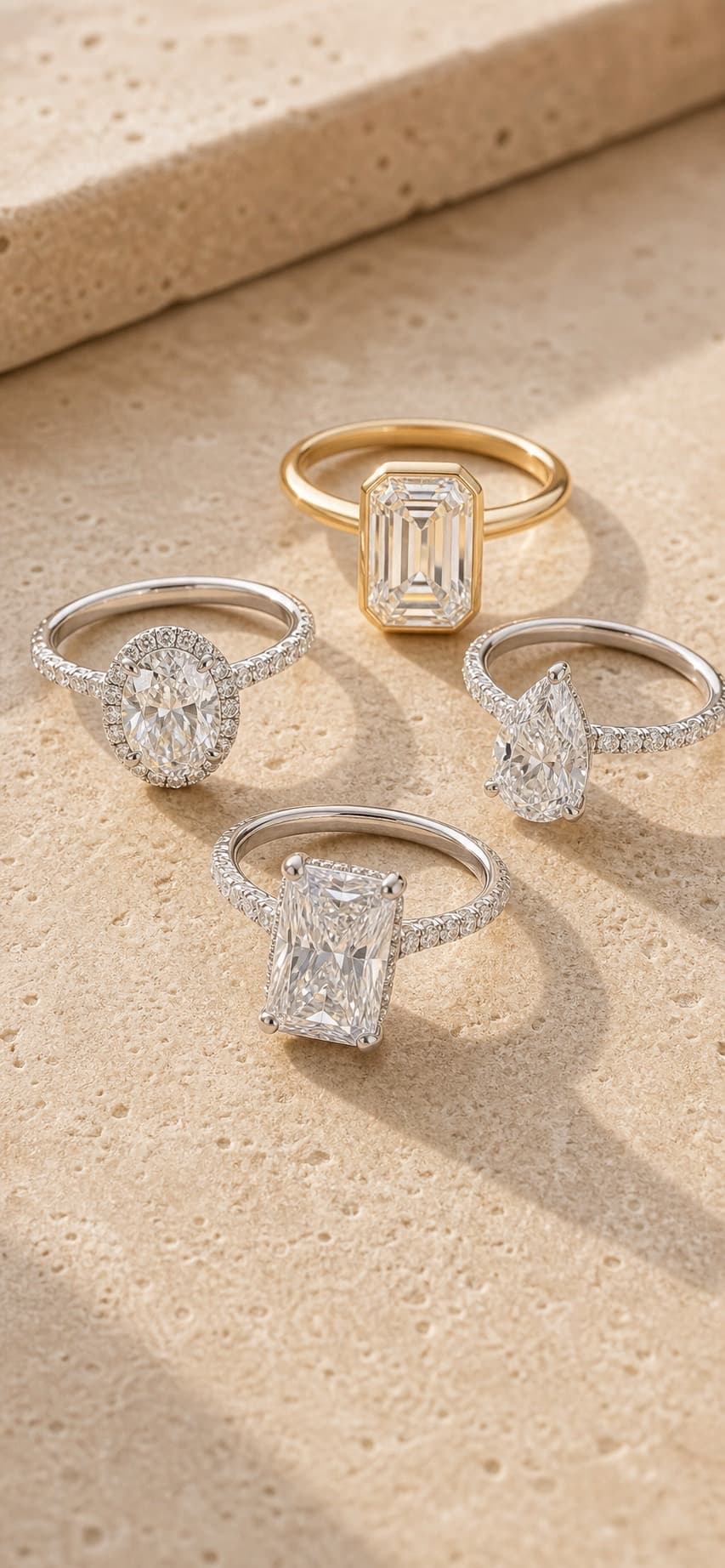
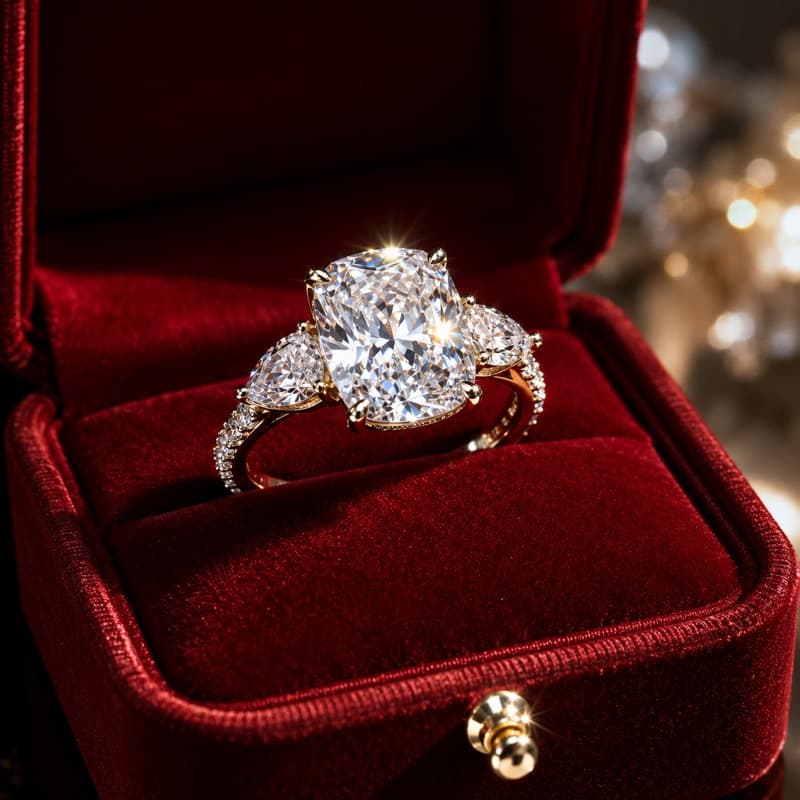
A solitaire is one stone on a band, nothing else: the default for good reasons, since all the attention goes to the diamond and any wedding band pairs with it. A halo is a circle of tiny diamonds around the center, which adds sparkle and apparent size; a hidden halo tucks that circle underneath instead, so the ring looks minimal from above and keeps a detail worth noticing from the side. Pavé, pronounced pah-VAY, means small diamonds set into the band itself so the metal sparkles. A bezel is a rim of metal wrapping the stone's edge instead of gripping it with prongs, the small metal claws most rings use. And a three-stone ring sets a smaller stone on each side of the center.

That's the whole vocabulary. Every ring website dresses these five ideas up in different names, and knowing them means no case or catalog can confuse you again.
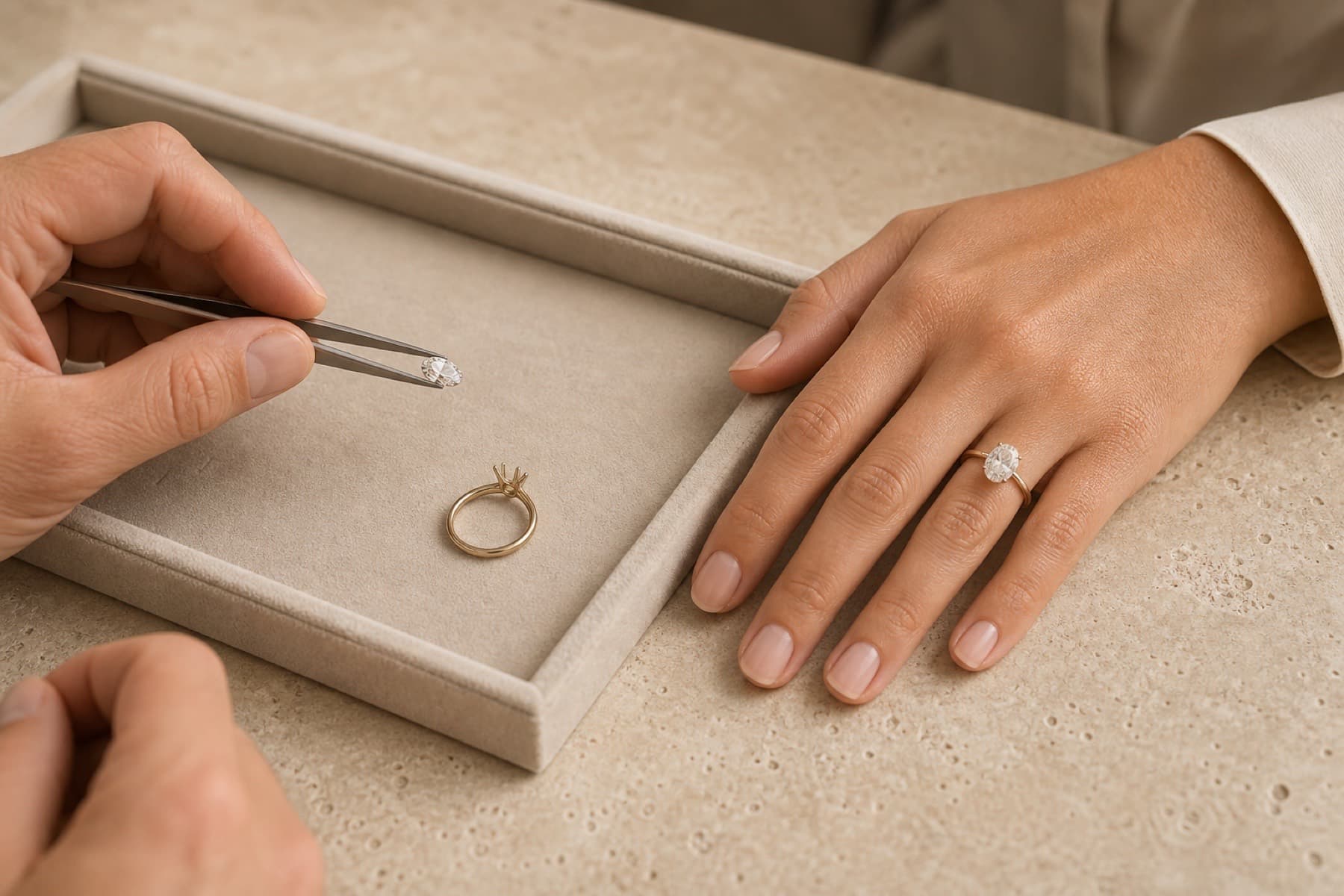
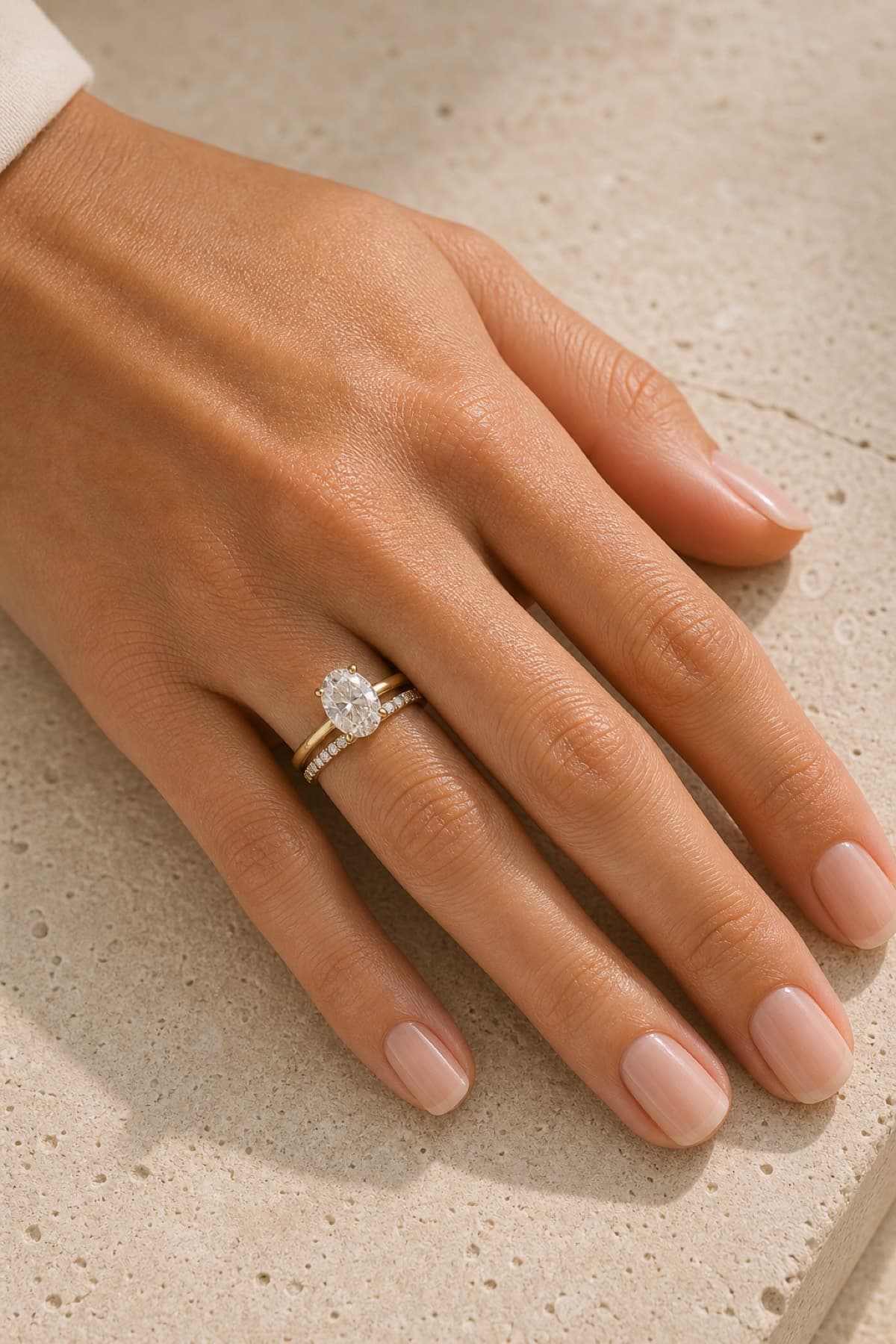
Setting styles explained one by one across the desk at a private appointment
AI-generated inspiration imagery.

Choose the right foundation

Each style solves a different problem. The right one depends on the stone you chose, how she uses her hands, and whether the ring needs to sit flush with a wedding band. This is a conversation, not a catalog: tell me what she’s drawn to and I’ll tell you what it means for comfort, height, and protection.

  • Every style on the table: solitaire, halo, bezel, three-stone, and more.
  • Chosen against her hand and her day, not a display photo.
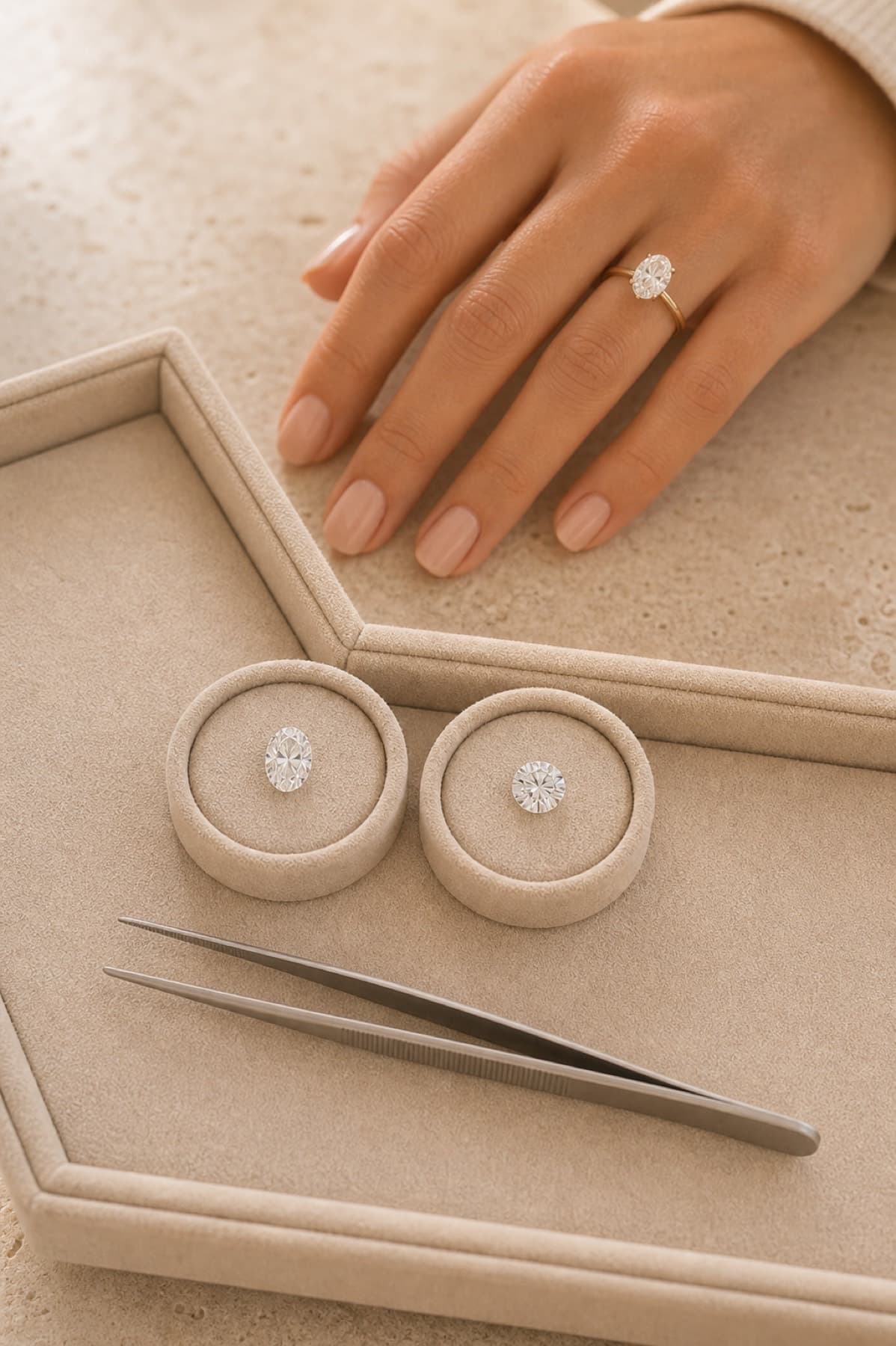
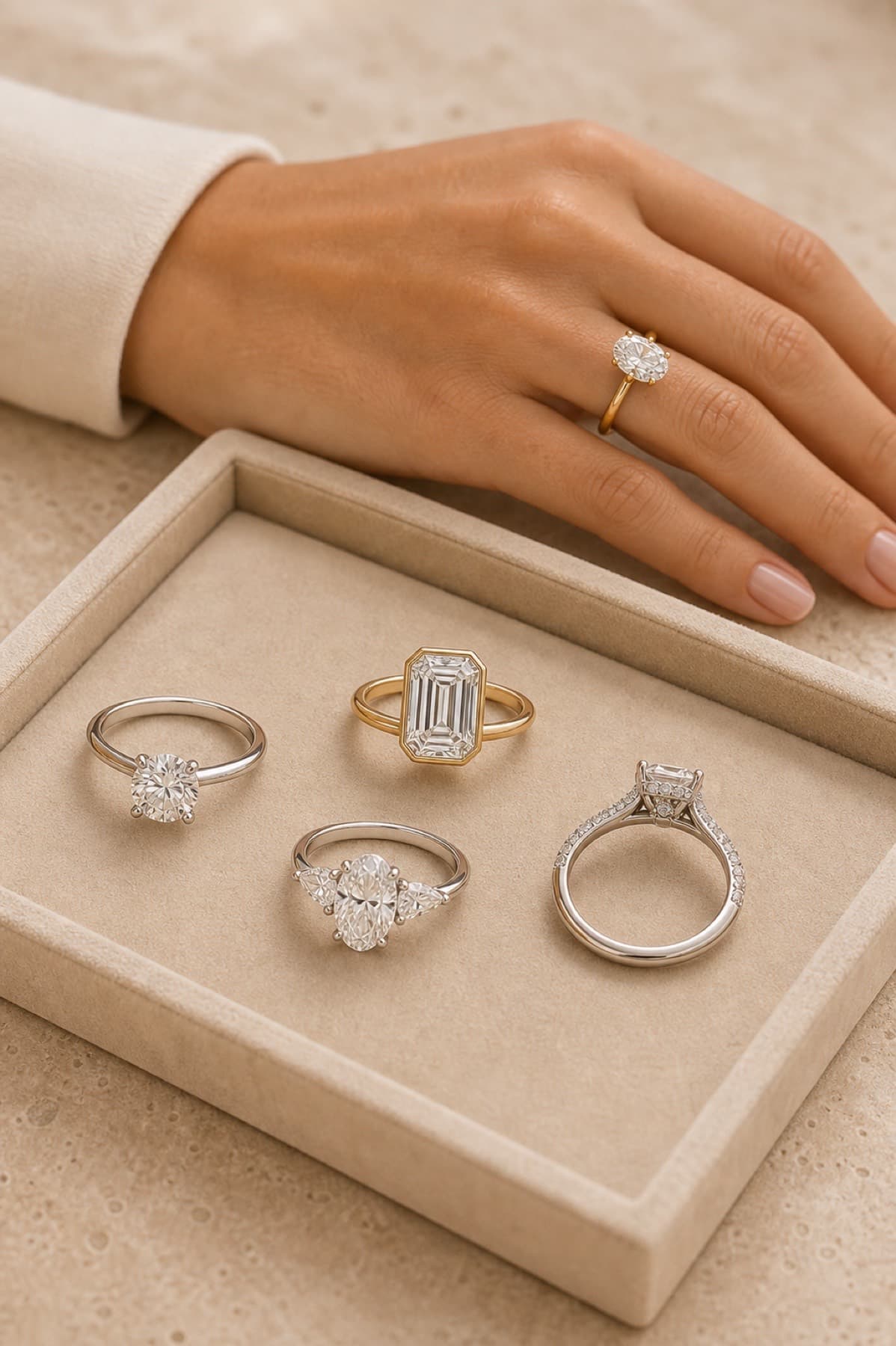
Engagement ring setting options on a cream jeweler’s tray in a warm studio
AI-generated inspiration imagery.

Matched to her hands and her days

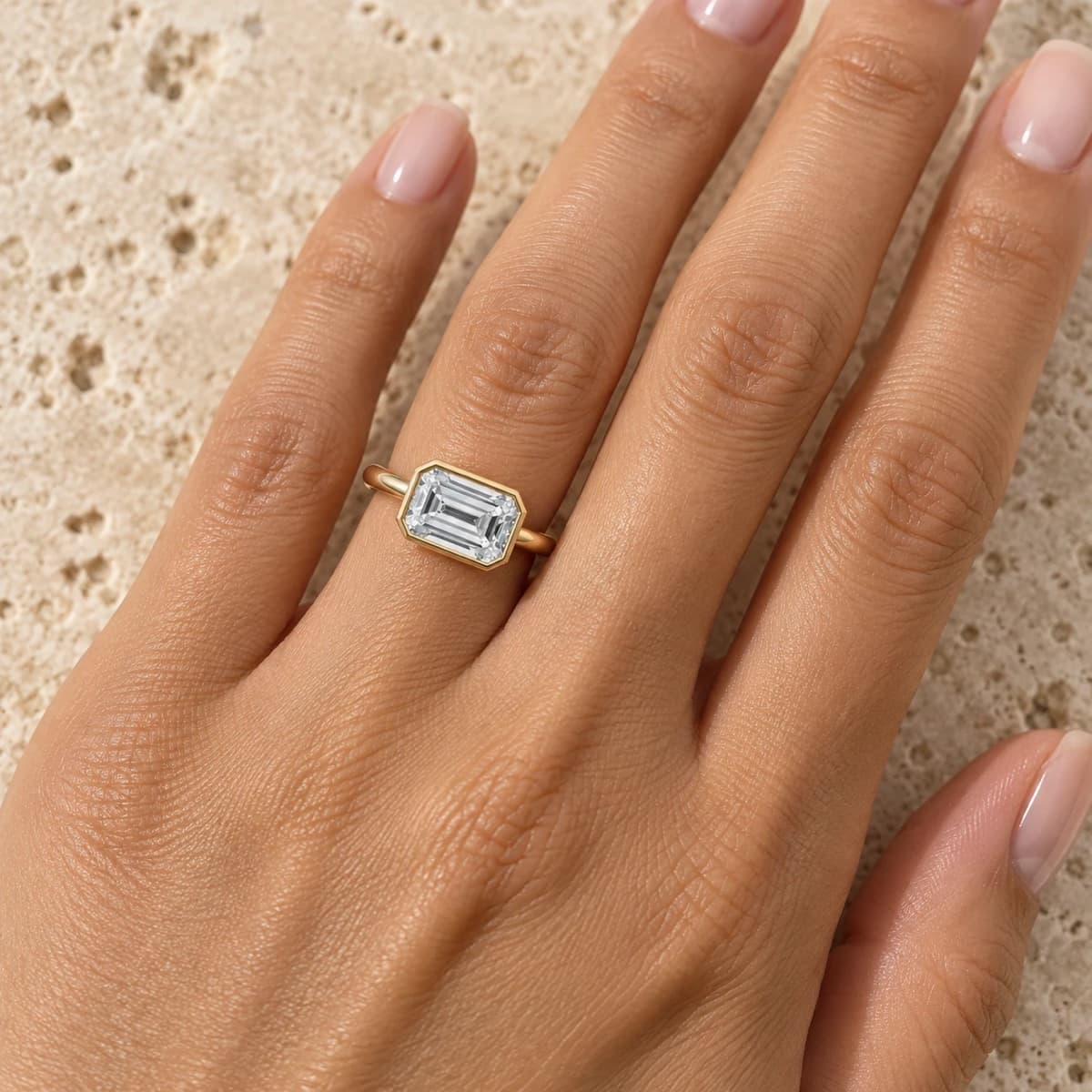
This is the question stores skip, because the case doesn't know her. A nurse, a climber, a potter, or someone who never takes rings off wants a lower stone, a bezel, or sturdier prongs, and those aren't compromises; they're what lets her wear the ring daily instead of leaving it in a drawer. Gentler days put taller and more delicate designs safely on the table. The side view decides most of it: height is what catches on sweaters and gloves, and the profile is what decides whether a band sits flush. I'll show you every candidate in profile, because that's the angle everyone else sees.

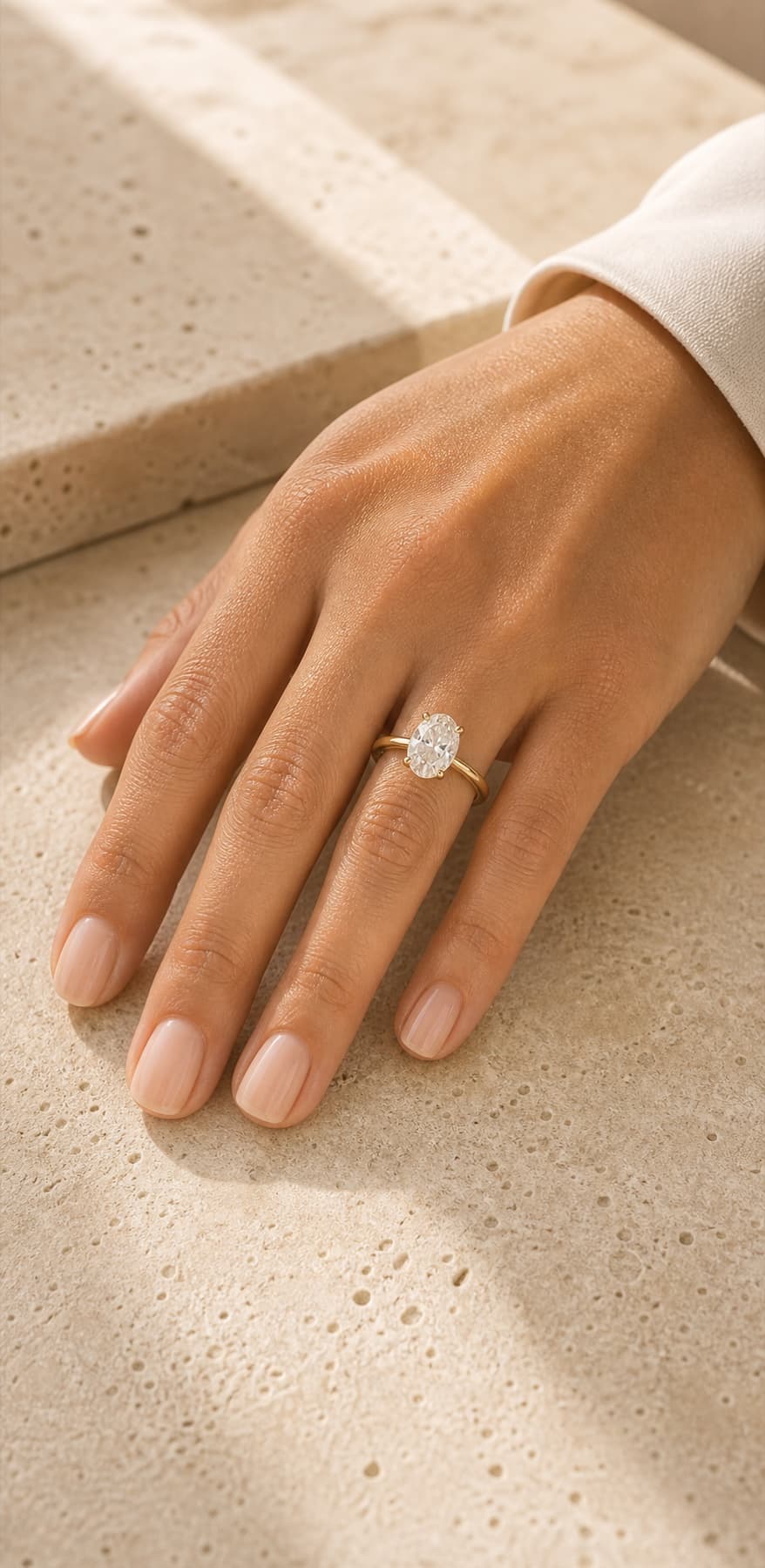
A finished ring worn on the hand, chosen for the life it has to survive
AI-generated inspiration imagery.

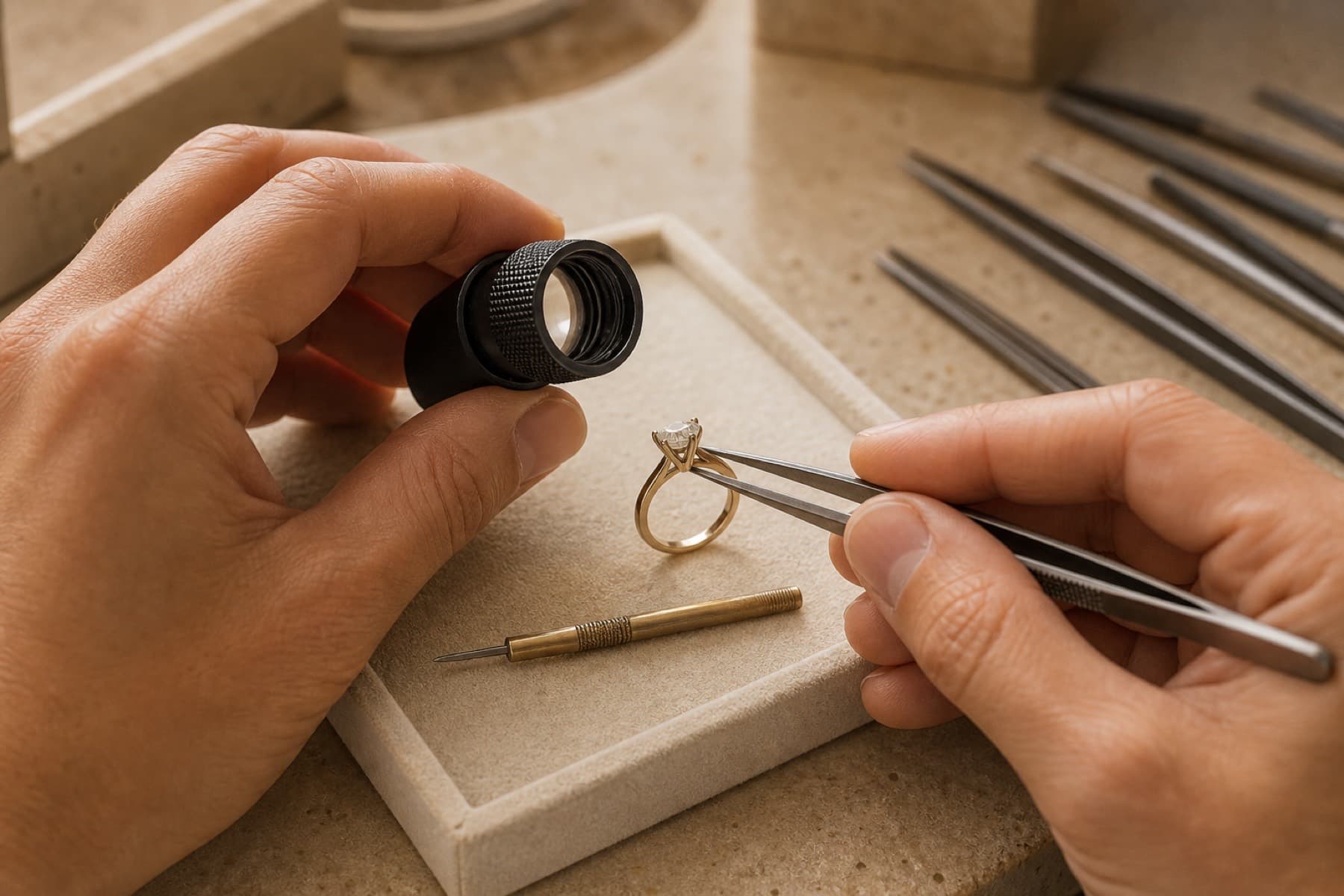
Modify when it makes sense

A setting that’s almost right can usually become exactly right: different prongs, a different metal color, a wider band, a lower profile so the ring sits closer to the hand. Modification is often the smartest money on the whole project, because the budget stays in the diamond instead of the design work.

  • Small changes, priced honestly before you decide.
  • The wedding band planned at the same time, so it sits flush later.
Jeweler’s hands adjusting a ring setting in a warm studio
AI-generated inspiration imagery.

Build only when it earns its place

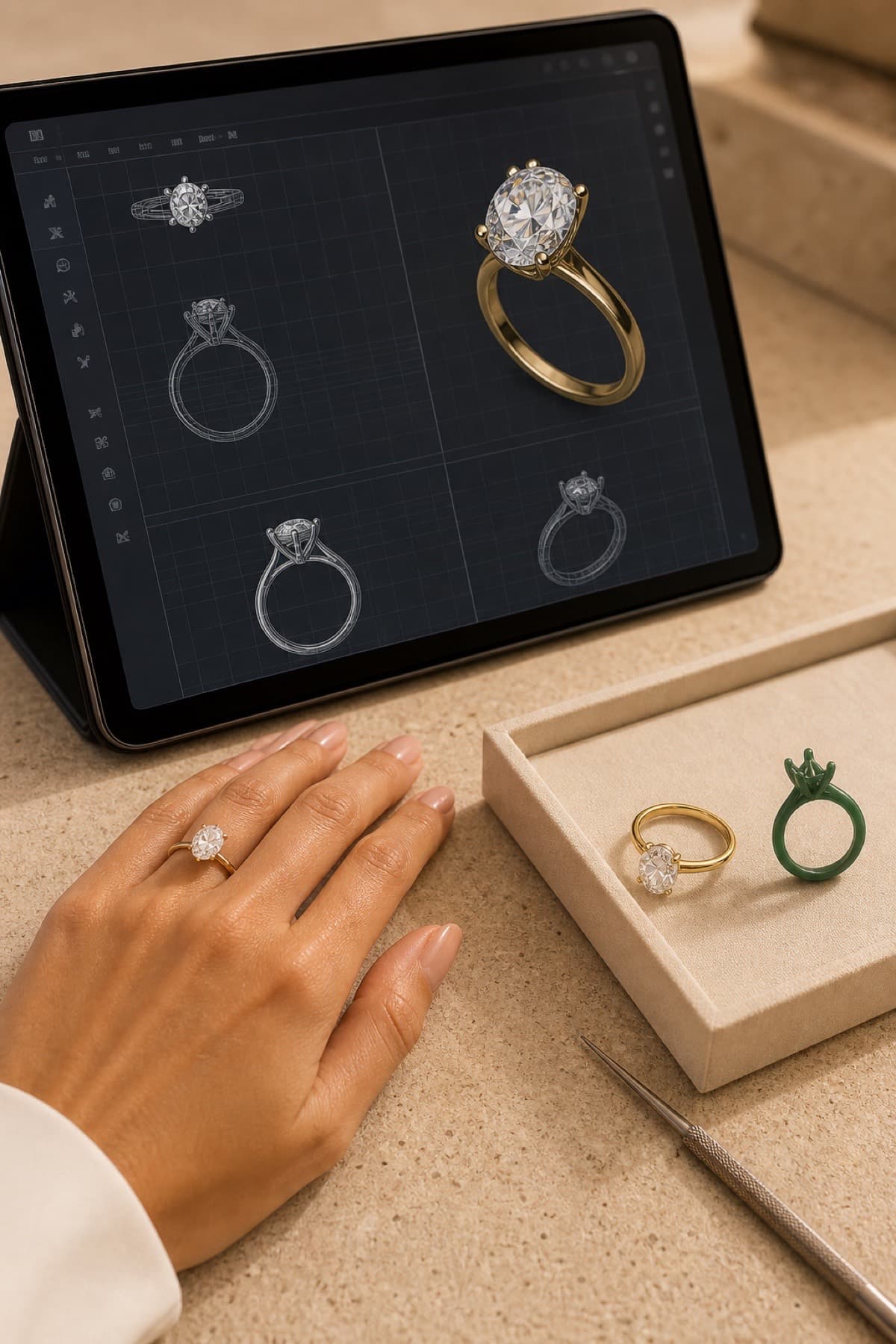
When the right setting doesn’t exist, we design it from scratch and you approve the exact proportions on screen before anything is made. That’s CAD, and it’s a tool, not an upsell: if your ring doesn’t need it, I’ll say so and save you the cost. Here’s what CAD actually involves.

  • You see and approve the design from the top and in profile first.
  • No design fee added to a ring that doesn’t need one.
Engagement ring CAD design reviewed on screen beside a jeweler’s tools
AI-generated inspiration imagery.

Inspiration, not inventory

Design directions to customize

View all directions

In their words

Andrew told me not to buy the first stone I liked. Who does that? He waited two weeks for a better one to come through his dealer at about the same price. That’s the moment I knew I’d be sending everyone I know to him.
Jordan · Cushion engagement ring

Questions couples ask before the first appointment

What setting sits lowest?

Depends on the stone and the band plan. Low is wonderful until it costs you wedding band fit or stone protection. I’ll show you where the practical floor is for your exact diamond.

Can an existing setting be changed?

Usually, yes. How far depends on the setting, the stone, and the production path. Bring it in and you’ll get a straight answer about what’s worth changing and what isn’t.

Do I have to buy the setting and stone together?

No, but they have to be planned together. A setting bought blind for a stone it never met is how rings end up back on my desk for fixing.

What are the different types of engagement ring settings?

Five words cover almost everything: solitaire (one stone alone), halo (a circle of tiny diamonds around it), pavé (small diamonds set into the band), bezel (a metal rim wrapping the stone's edge), and three-stone (a smaller stone on each side). Everything else is a variation, and the right one is chosen against her hand and her days.

Text Andrew

Text Andrew the ring style you keep coming back to.

A photo, sketch, or even a rough idea is enough to start. I can usually tell you whether the smartest path is a sourced diamond, a modified setting, a CAD build, or a short call to compare options.

Prefer a call or text?

Prefer to reach Andrew now? Call or text 619-279-7738.

GIA Applied Jewelry Professional
Trained to judge a diamond by eye, not just by its report.
30+ years in jewelry
Buying and selling diamonds and gold wholesale every week.
Most rings in 14 to 30 days
CAD builds can run longer. You know which yours is up front.
The price in writing first
A written plan and a real number before any deposit.