
Guide
How to Choose an Engagement Ring Setting
By Andrew GonzalezGIA Diamonds Graduate8 min readUpdated
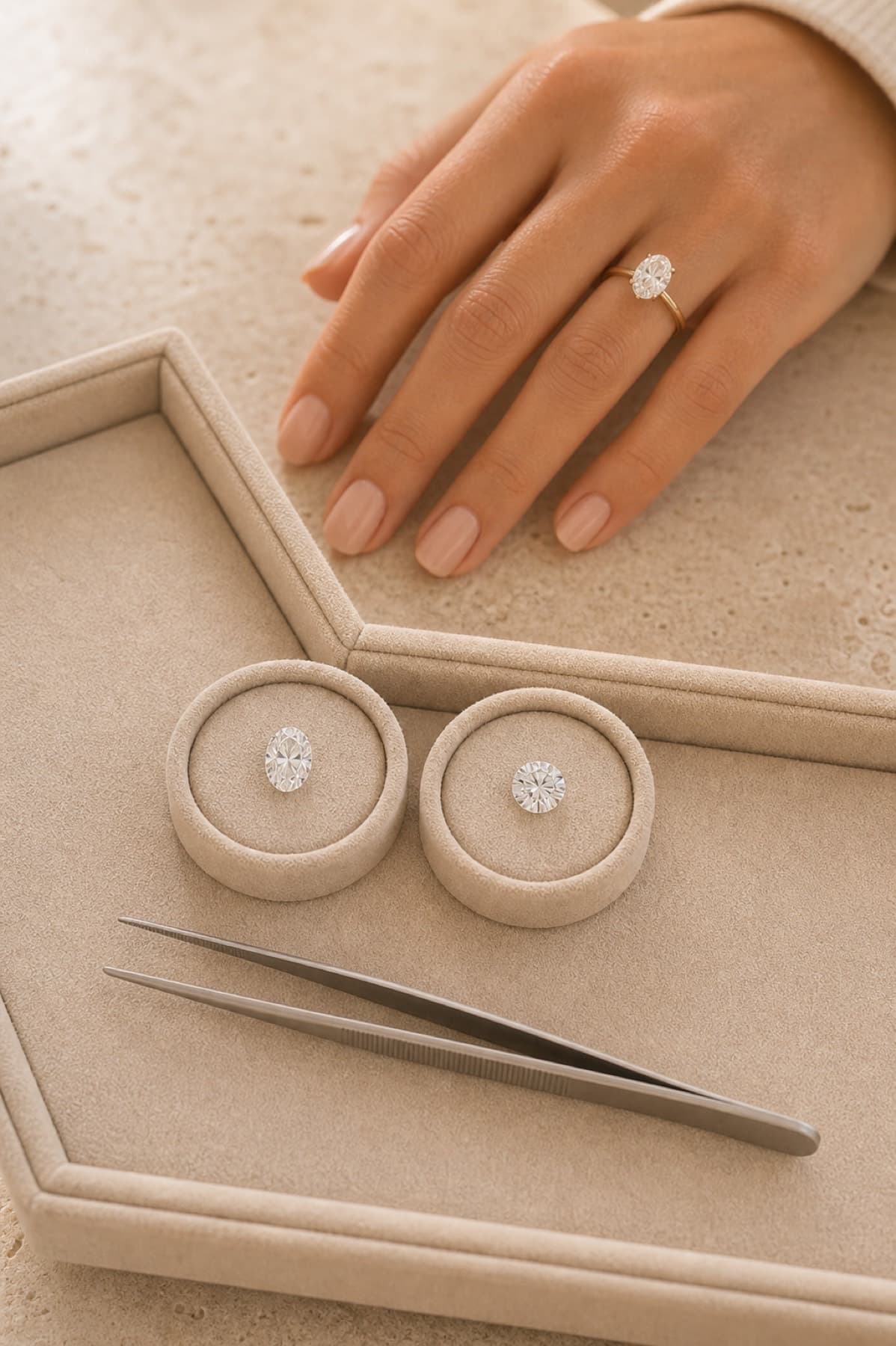
Choose the setting after the diamond, and choose it for her days as much as her taste. The setting is the metal architecture that holds the stone, and it quietly decides everything the photos do not show: how high the ring sits, whether it snags, how a wedding band fits against it, and whether the ring survives her actual life. Here is the vocabulary translated into plain English, the decisions in the right order, and the mistakes people make from top-down photos.
Diamond first, setting second
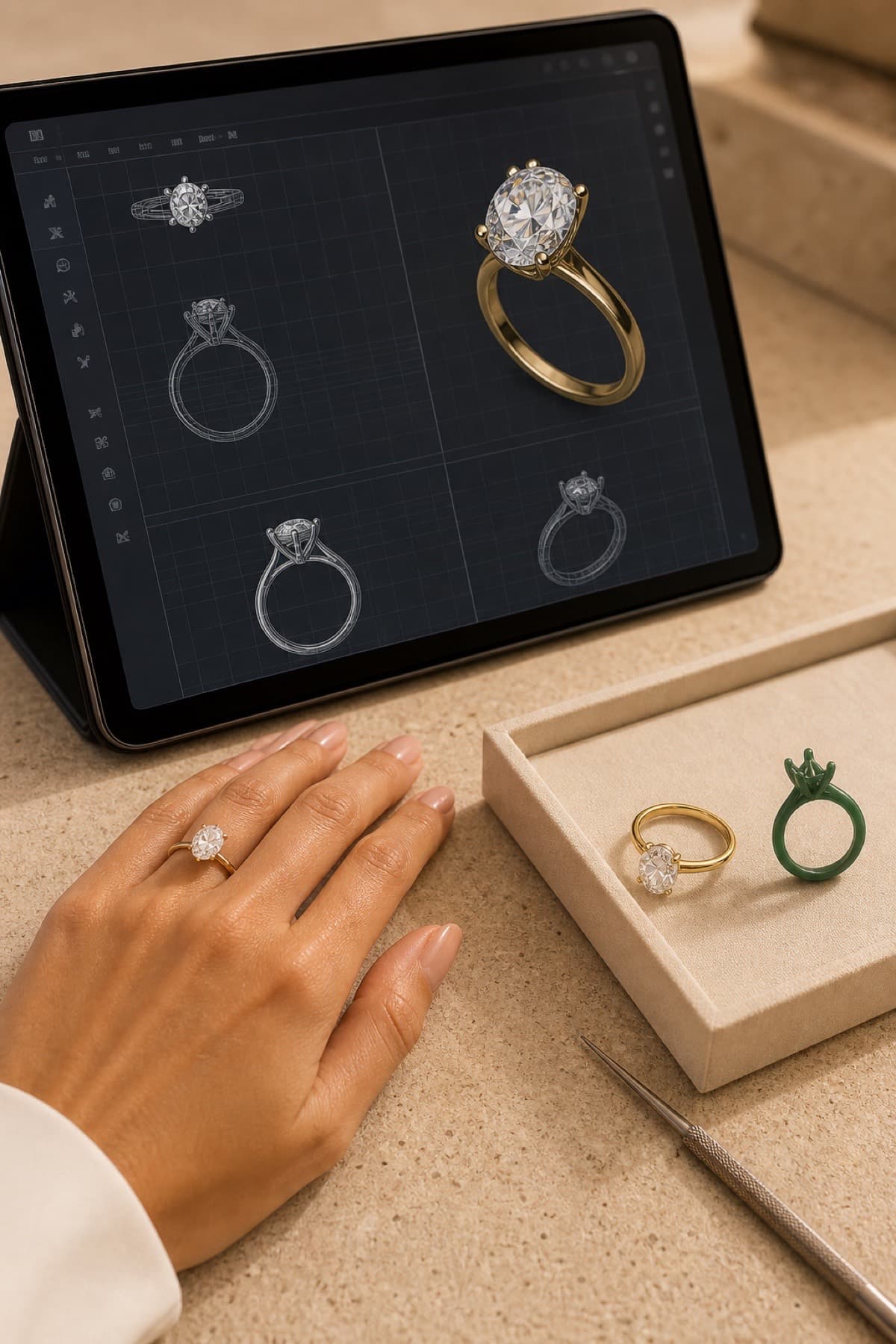
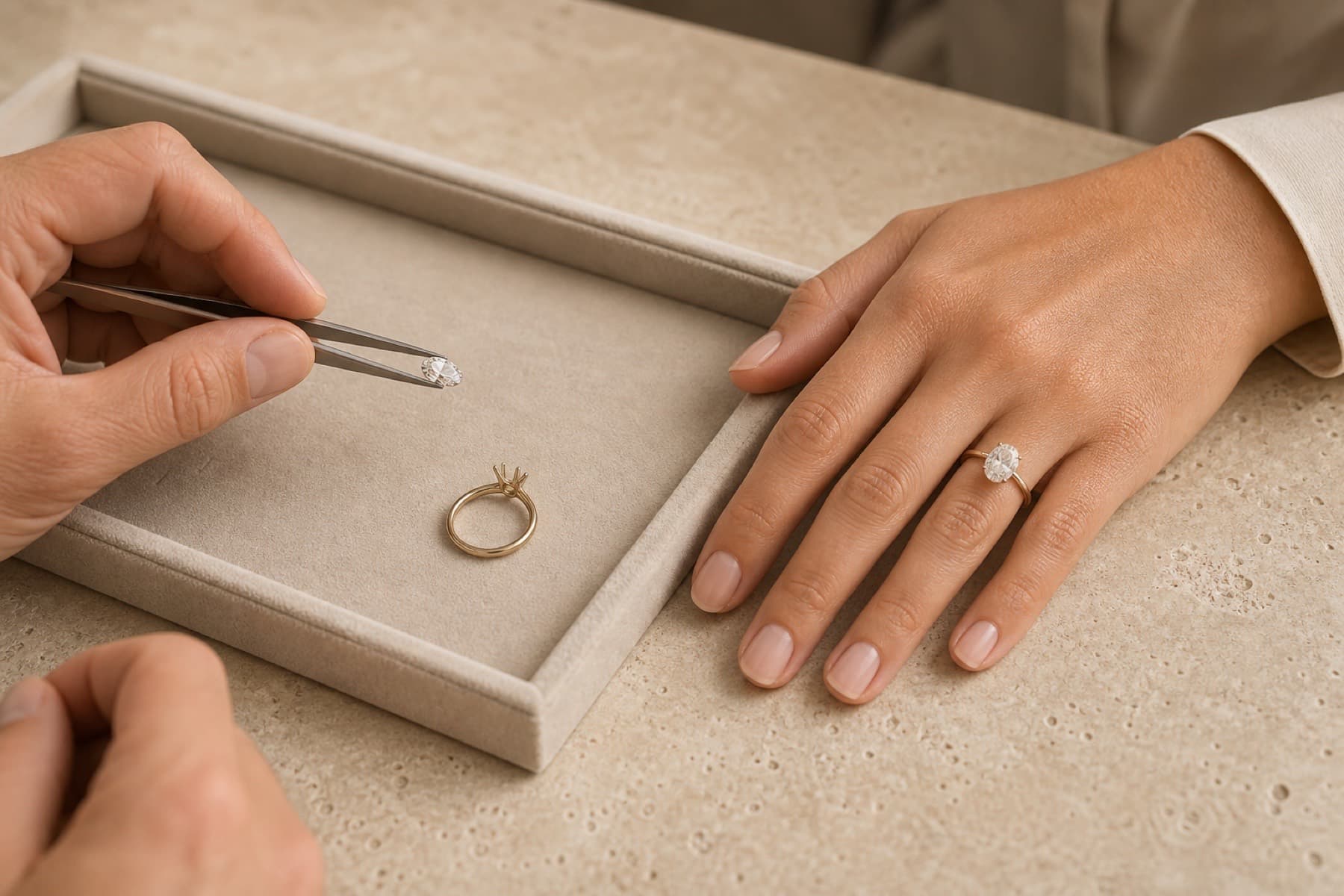
The stone is most of the money and all of the light, and a setting is built around a specific stone's exact measurements, not the other way around. Decide the diamond direction first: the shape, the rough size, natural or lab-grown. Then the setting conversation is real instead of hypothetical, and nothing has to be forced to fit later.
The five words on every ring website, translated
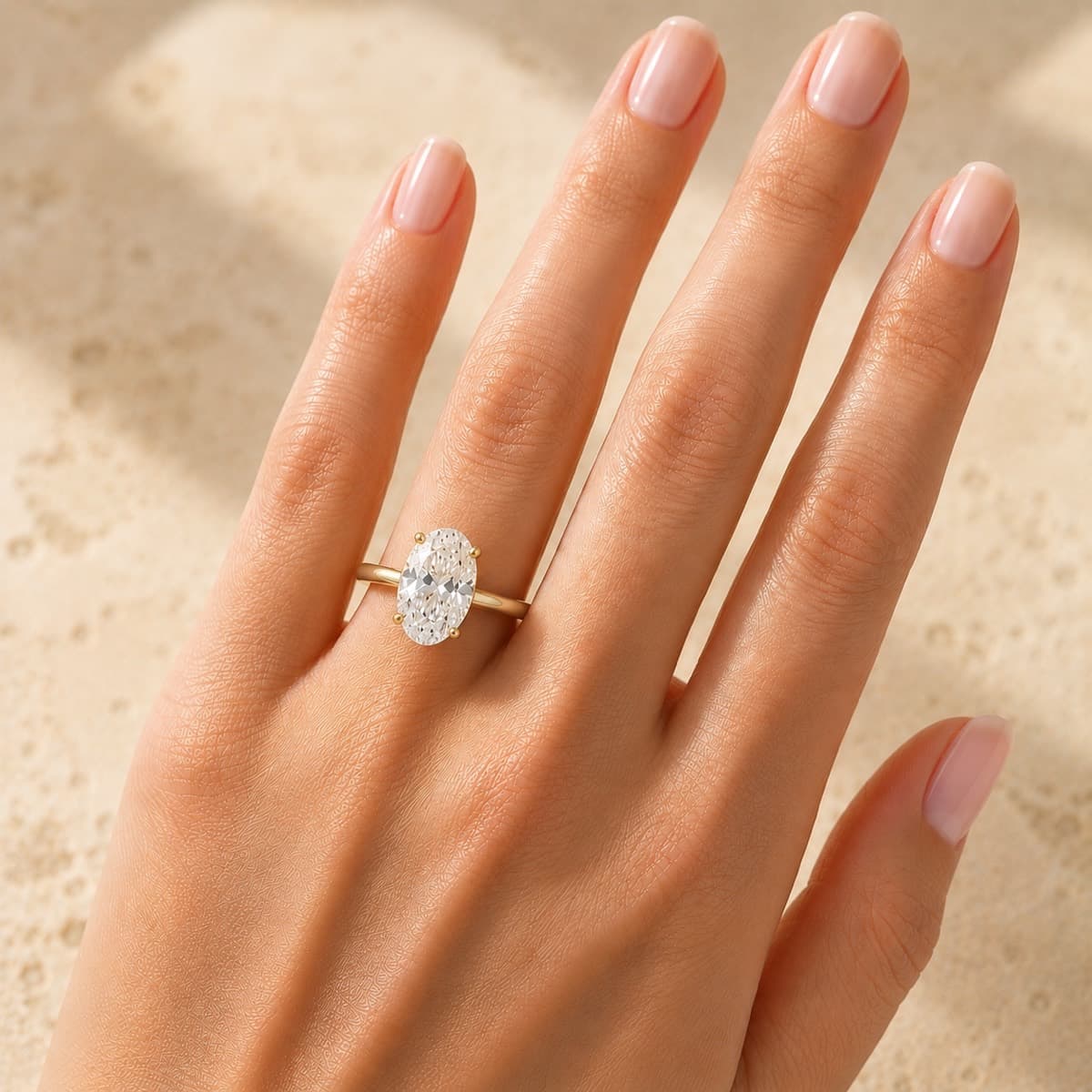
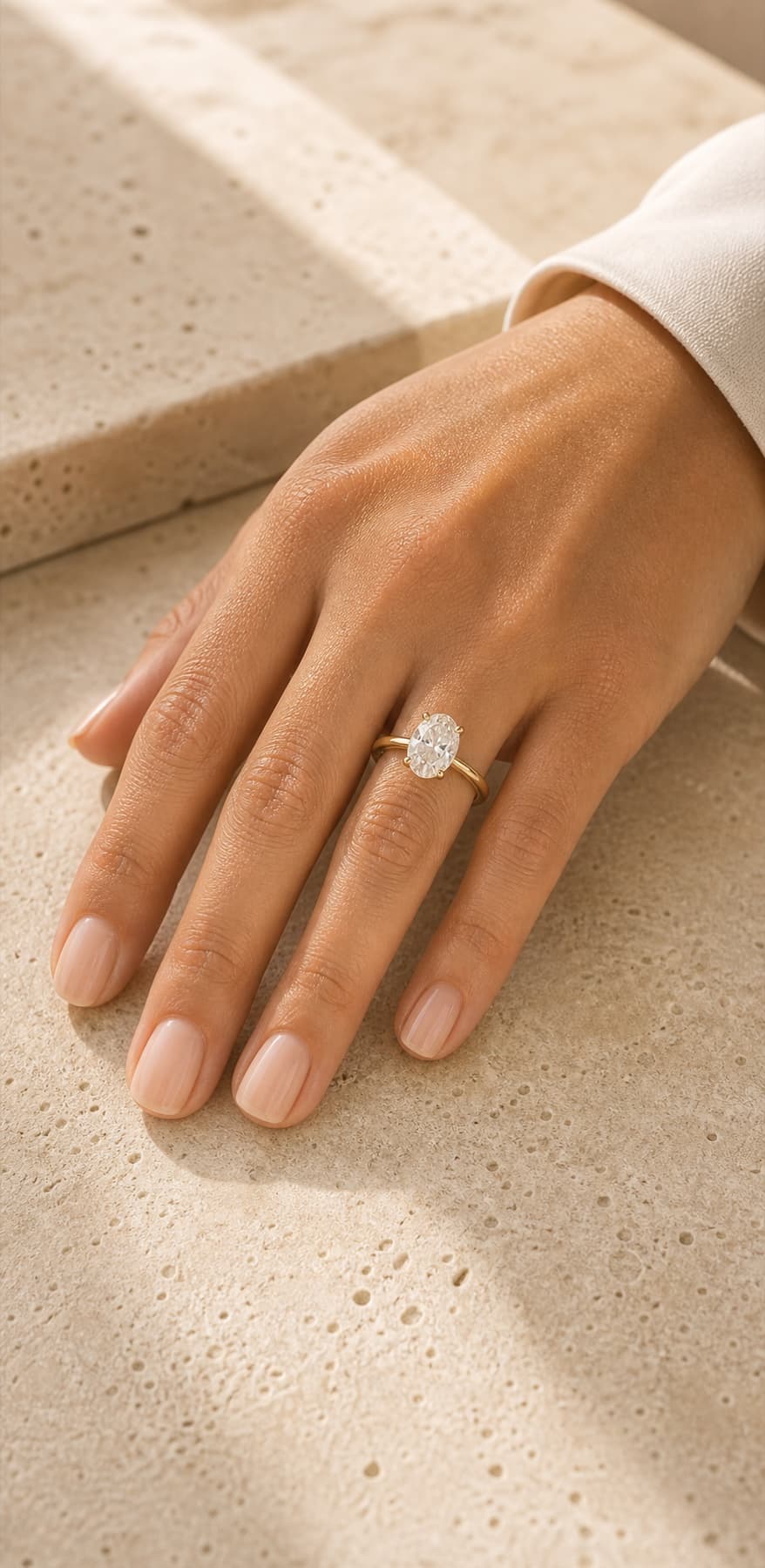
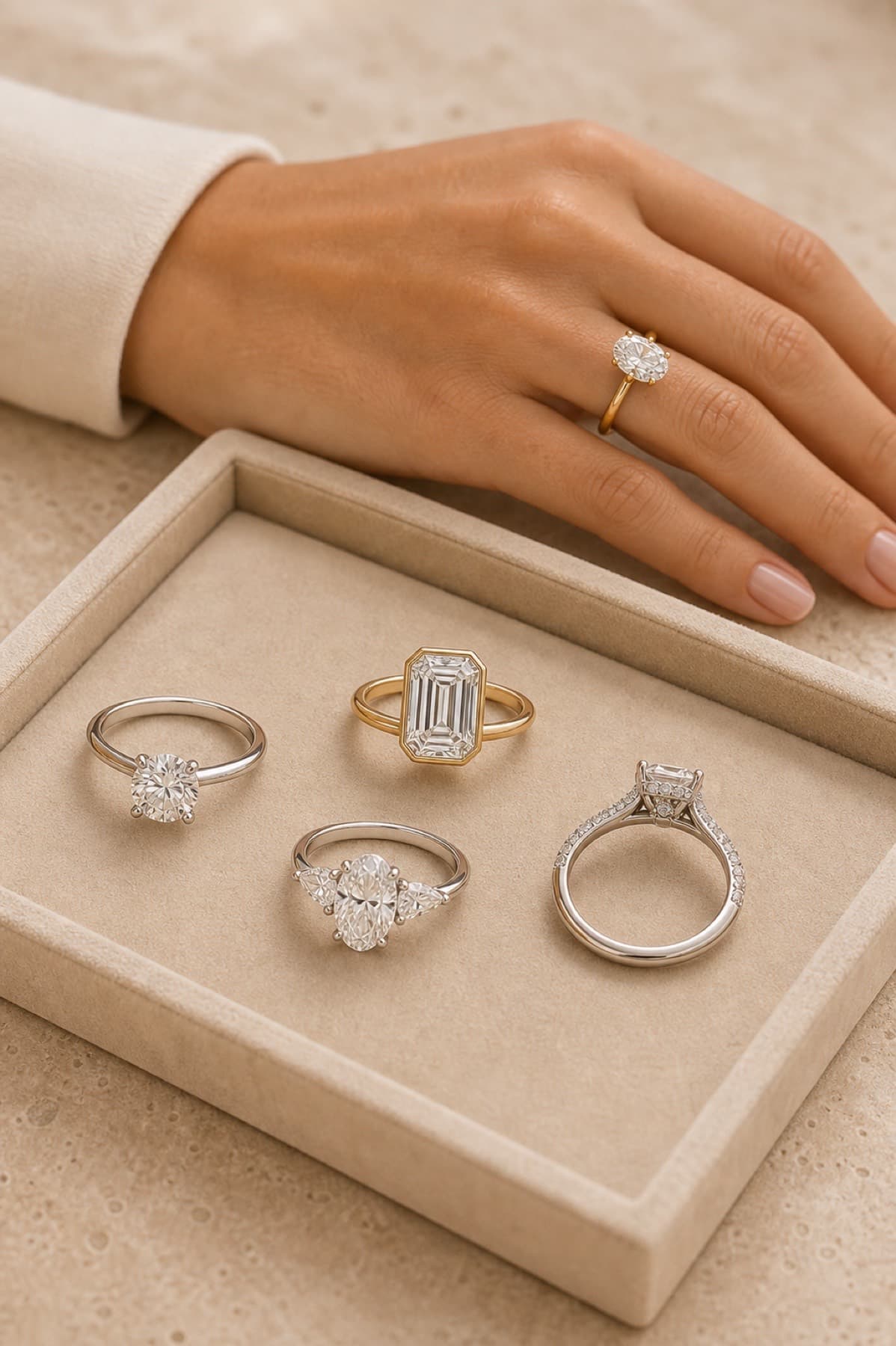
A solitaire is one stone on a band, nothing else. It is the default for good reasons: all the attention goes to the diamond, any wedding band pairs with it, and it is the easiest ring to keep clean.
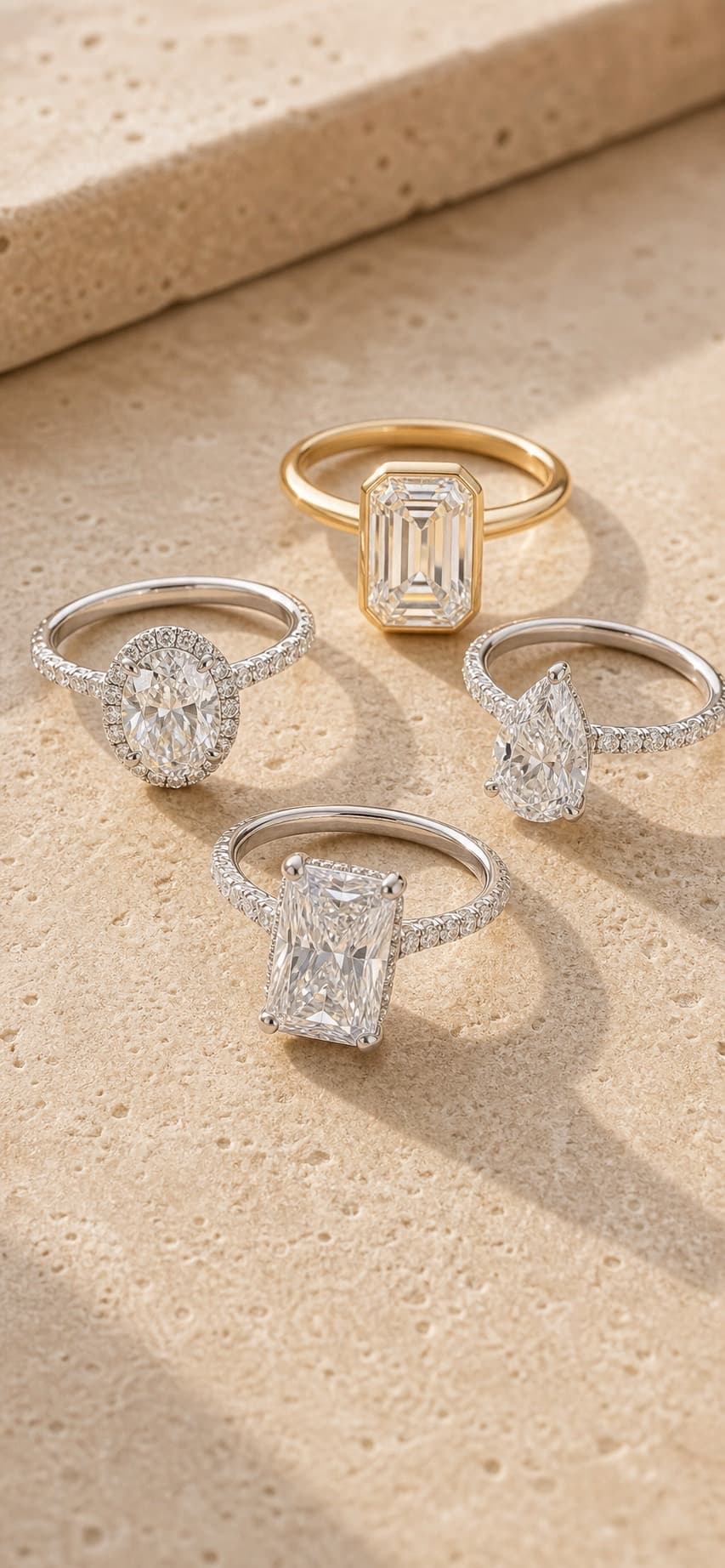
A halo is a circle of tiny diamonds around the center stone, which adds sparkle and apparent size. A hidden halo tucks that circle underneath the center instead, so the ring looks minimal from above and keeps a detail worth noticing from the side.
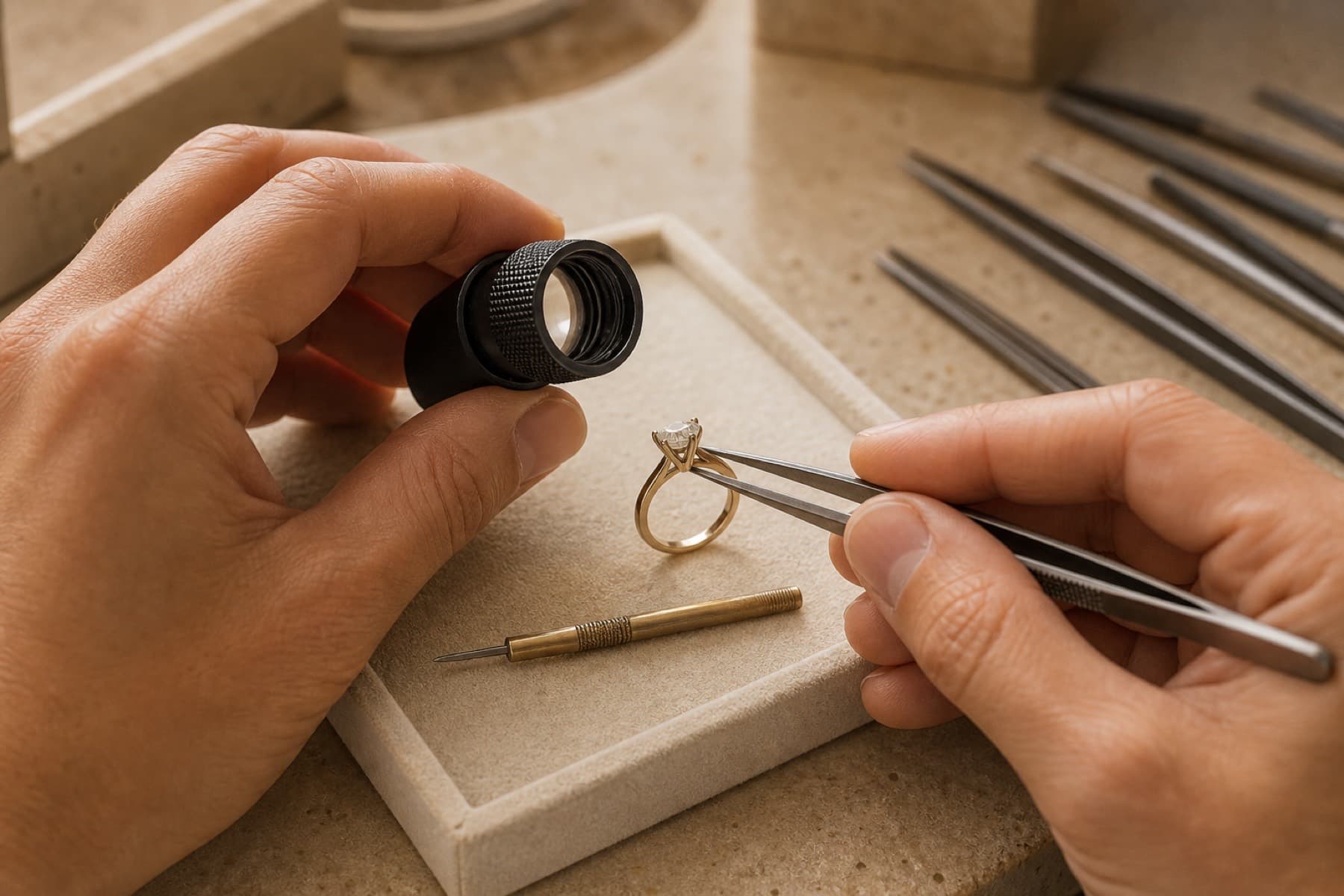
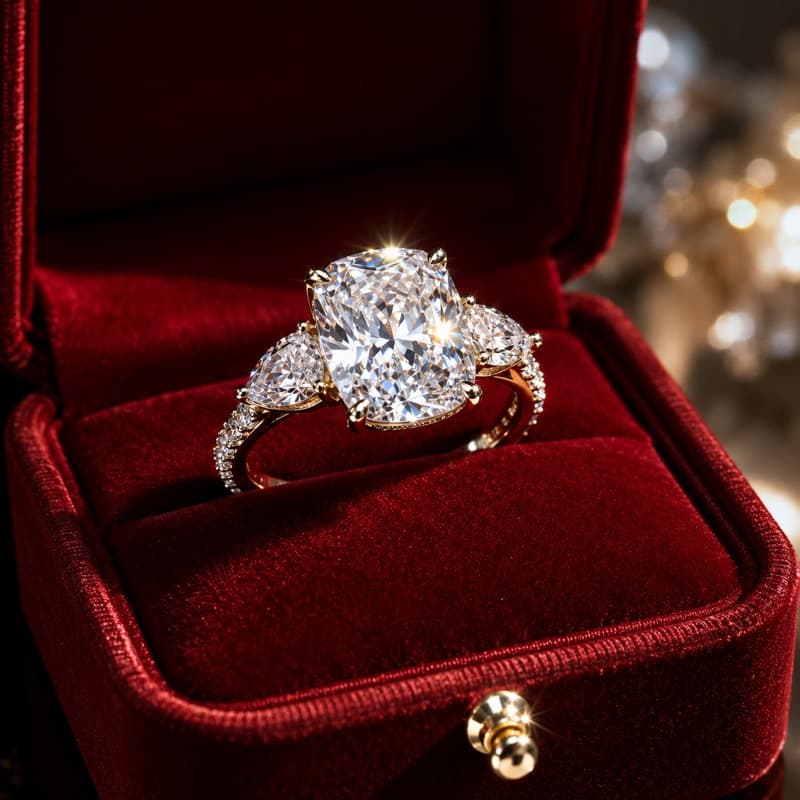
Pavé, pronounced pah-VAY, means small diamonds set into the band itself so the metal sparkles. A bezel is a rim of metal that wraps the stone's edge instead of gripping it with prongs, the small metal claws most rings use. And a three-stone ring sets a smaller stone on each side of the center.
Look at the side view before you commit
Almost everyone chooses from top-down photos, and the side view is where rings succeed or fail. Height decides whether the ring catches on sweaters, gloves, and hair. The profile decides whether a wedding band can sit flush or will leave a gap. A delicate look from above can be tall and fragile from the side, and a substantial look can sit surprisingly low. Ask to see every candidate in profile, here or anywhere else you shop.
Match the setting to her hands and her days
This is the question stores skip, because the case does not know her. If she is a nurse, a climber, a potter, or simply someone who never takes rings off, a lower stone, a bezel, or sturdier prongs are not compromises; they are what lets her wear the ring every day instead of leaving it in a drawer. If her days are gentler on her hands, a taller and more delicate design is safely on the table. The best setting is the one she never has to think about.
Plan the wedding band in the same breath
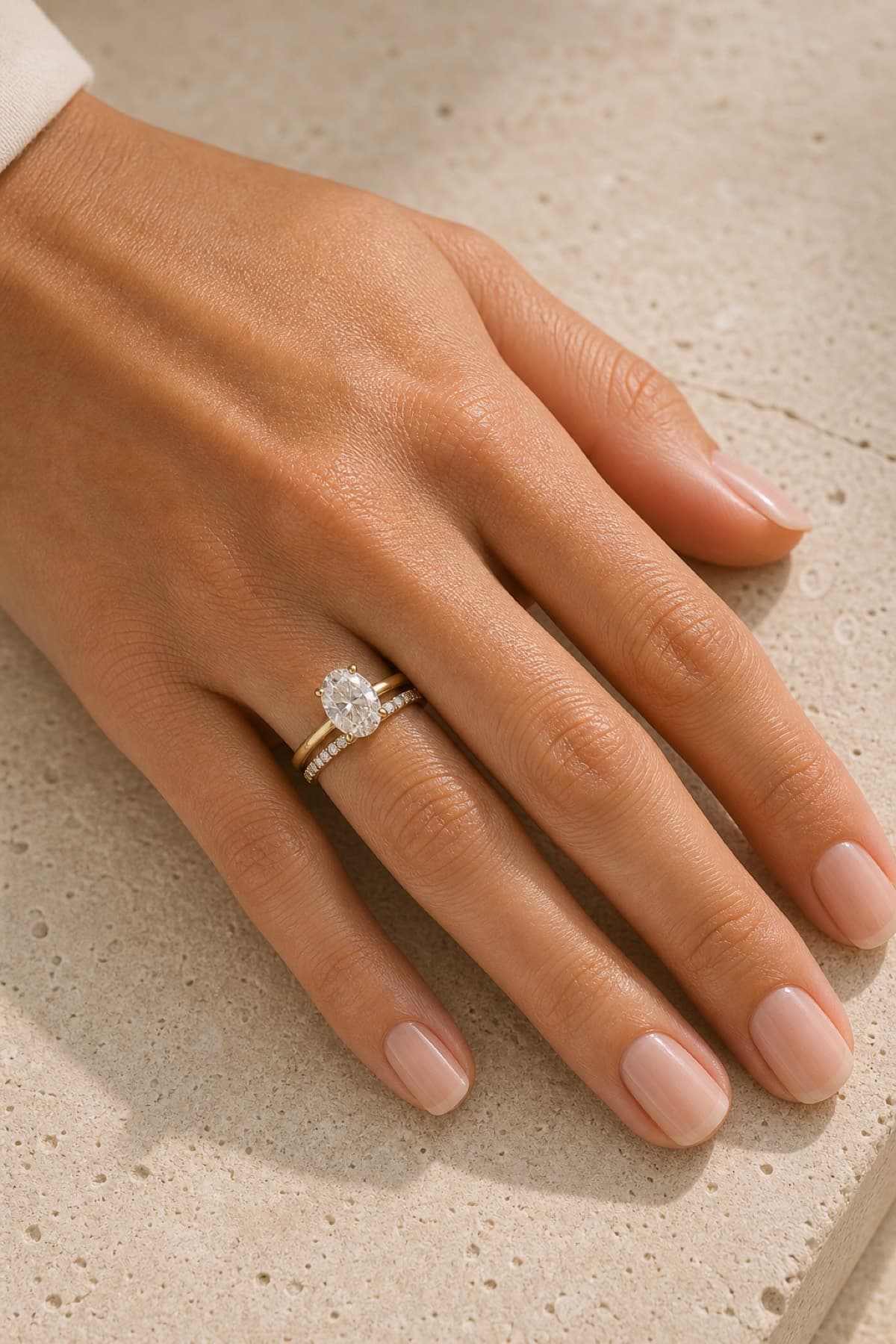
Some engagement settings let a straight band sit flush. Others leave a gap, or need a band shaped around them, which costs more later. None of that is bad, but all of it should be a decision made now rather than a surprise in year one. If the flush look matters, say so before the setting is chosen, and the two rings get designed to live together.