Skip to content
Andrew Gonzalez, Luxury Custom JewelerLuxury Custom Jewelerby Andrew Gonzalez

Modern bezel settings, built to the stone

Bezel set engagement rings in San Diego, built around the stone. So the stone comes first.

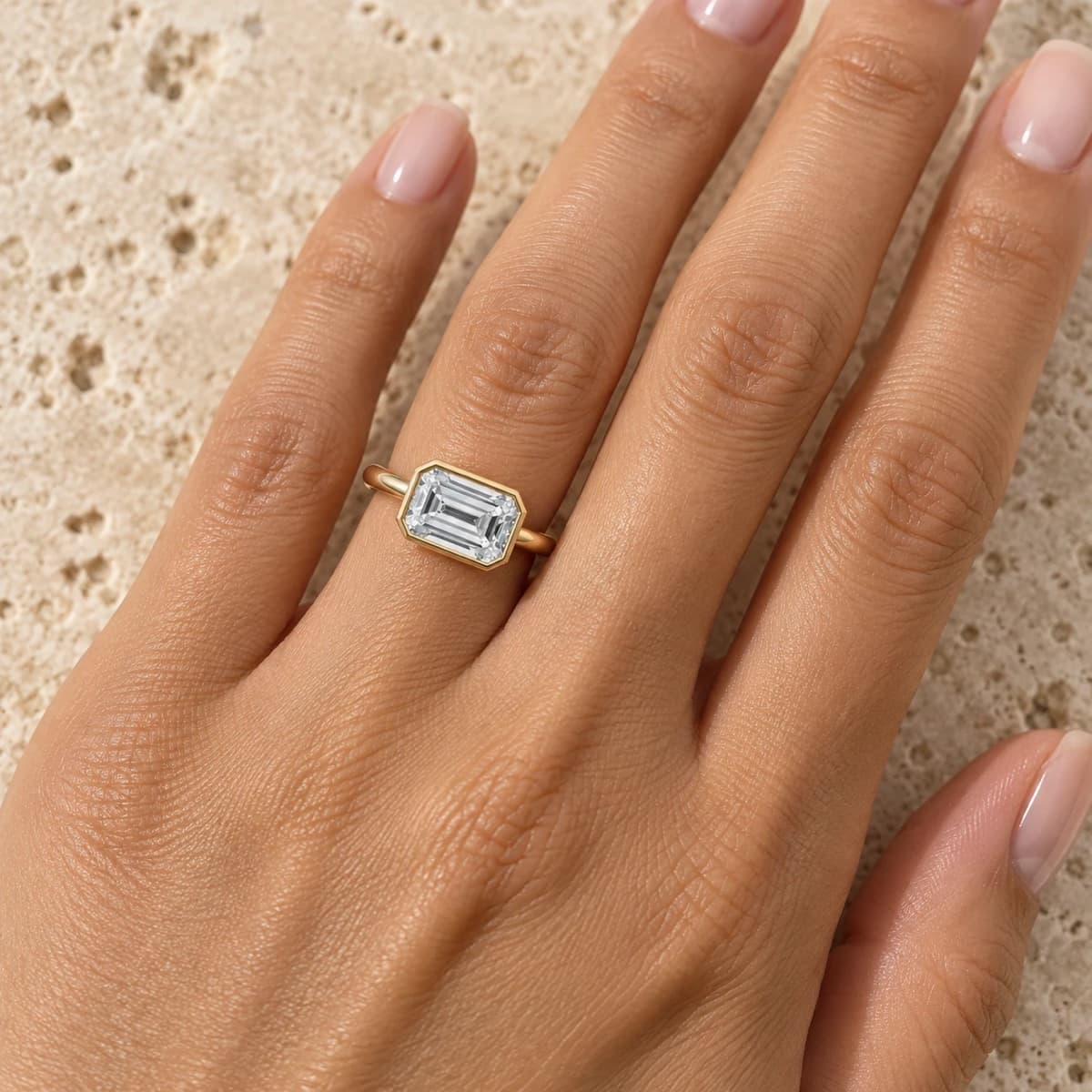
I’m Andrew Gonzalez, a private jeweler in San Diego, and bezel settings are having a deserved moment. A rim of metal wraps the diamond’s edge instead of gripping it with prongs, which lowers the profile, smooths the edges, and gives the ring a clean, modern outline. The catch is that a bezel is far less forgiving to build than a prong setting: the metal has to fit the exact stone, to the tenth of a millimeter. That’s why I choose the diamond first and build the ring around it, never the other way around. The visual language of the style is laid out in the Round Bezel design direction.

30+ years of experience building custom engagement rings, wedding bands, and custom jewelry. GIA Applied Jewelry Professional.

Text Andrew a Photo

What I’ll want to know

  1. What she does with her hands: nursing, climbing, gardening, gym. Bezels earn their keep here.
  2. The shape she loves. Almost all of them take a rim well.
  3. Whether she'd rather the rim frame the stone in gold or disappear in white metal.

What gets decided

Millimeters decide whether a bezel looks refined or heavy.

The rim’s thickness is the whole game: too much metal shrinks the diamond, too little defeats the purpose. We pick the stone in person, loupe in hand, then you approve a design drawn to that stone’s exact measurements before production starts.

What a bezel does for daily wear

The full metal rim protects the girdle, the most chip-prone part of a diamond, and leaves nothing raised to snag on sweaters, gloves, or gym equipment. For nurses, climbers, new parents, and anyone else in San Diego who uses their hands for a living, it’s the most practical way to wear a serious stone.

It also changes the geometry. A bezel can sit lower than most prong baskets, and the metal outline slightly alters the diamond’s apparent size, in whichever direction the proportions push it. That’s a design variable we control on purpose, not a surprise you discover at pickup.
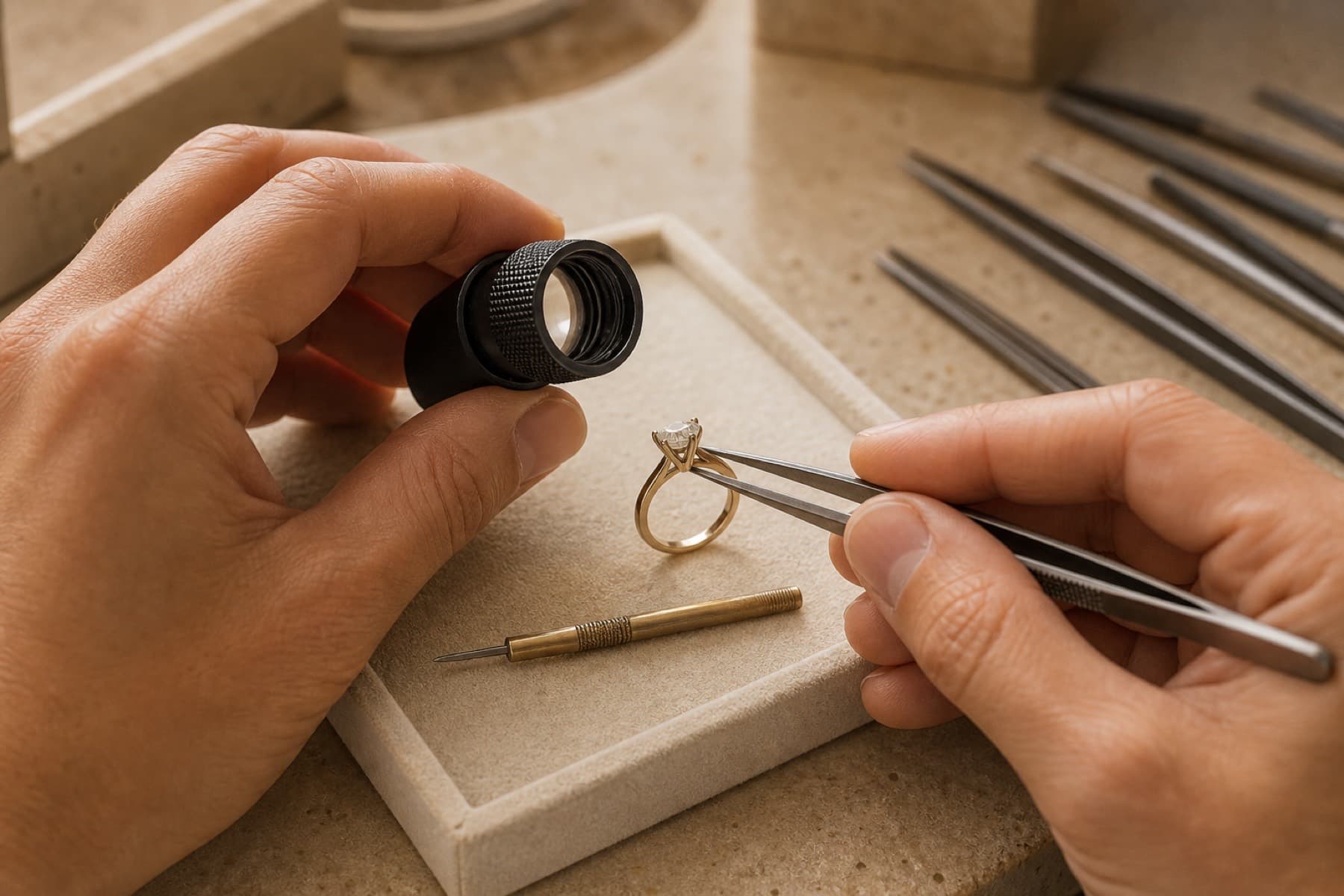
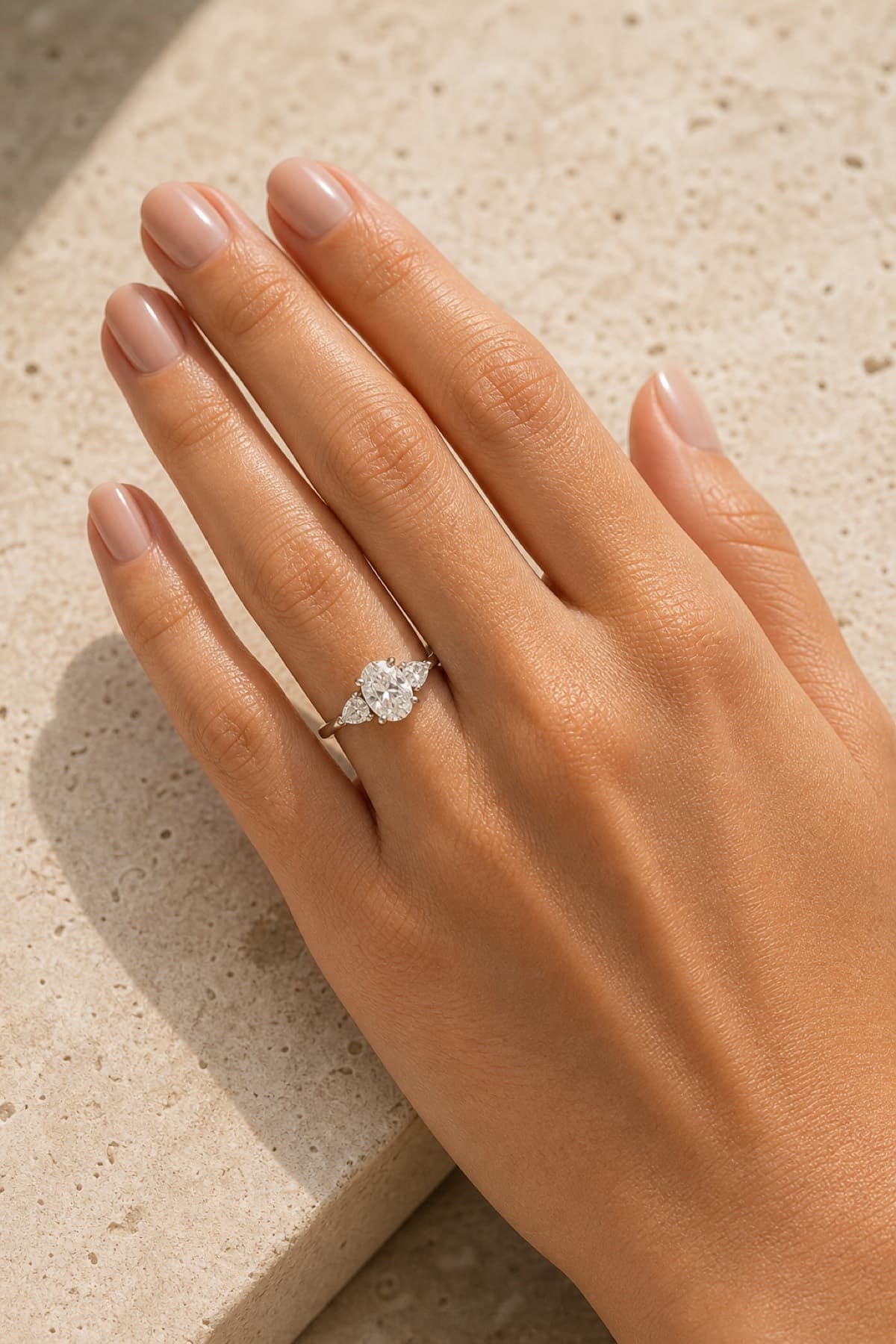
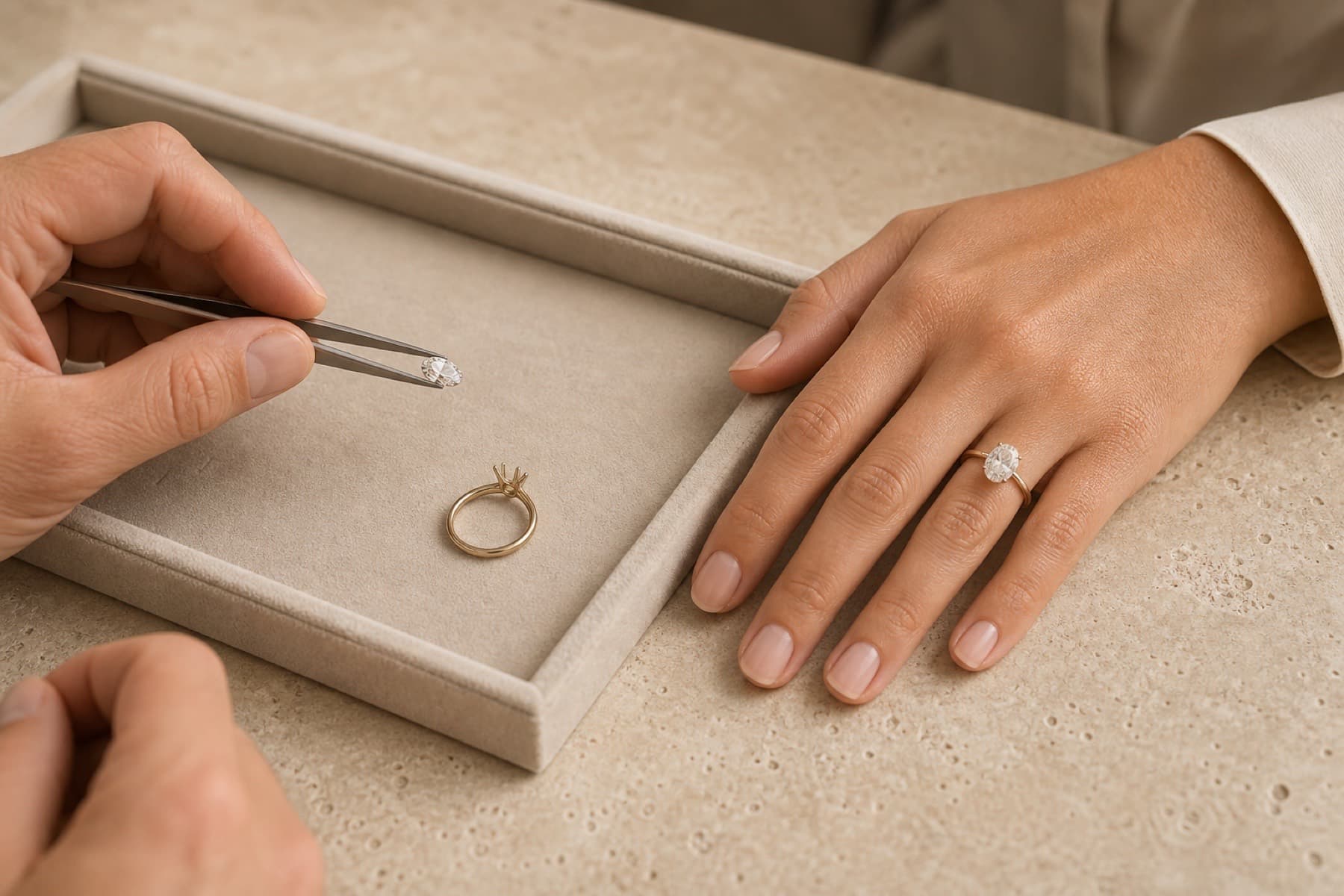
A jeweler's hands checking the rim of a bezel setting
AI-generated inspiration imagery.

Picking a stone that a bezel will flatter

Because the rim covers the stone’s edge and frames the outline, diameter and brightness matter more than they do in a prong setting, and edge-hugging inclusions matter less, since the metal can conceal them. That last point is a genuine buying advantage: a certified stone with a well-placed girdle inclusion can cost meaningfully less and look identical once set.

I source certified natural and lab-grown candidates and screen them for how they’ll present inside a rim, and put the finalists in front of you by appointment. No inventory, no tray of rings that need selling, and no penalty for telling me none of them are it.

  • Face-up diameter compared against carat weight, since spread is what shows.
  • Brightness checked in person; a bezel gives back none of the light a dull stone loses.
  • Edge inclusions mapped to where the rim will hide them.
  • Natural and lab-grown priced side by side for the same finished look.
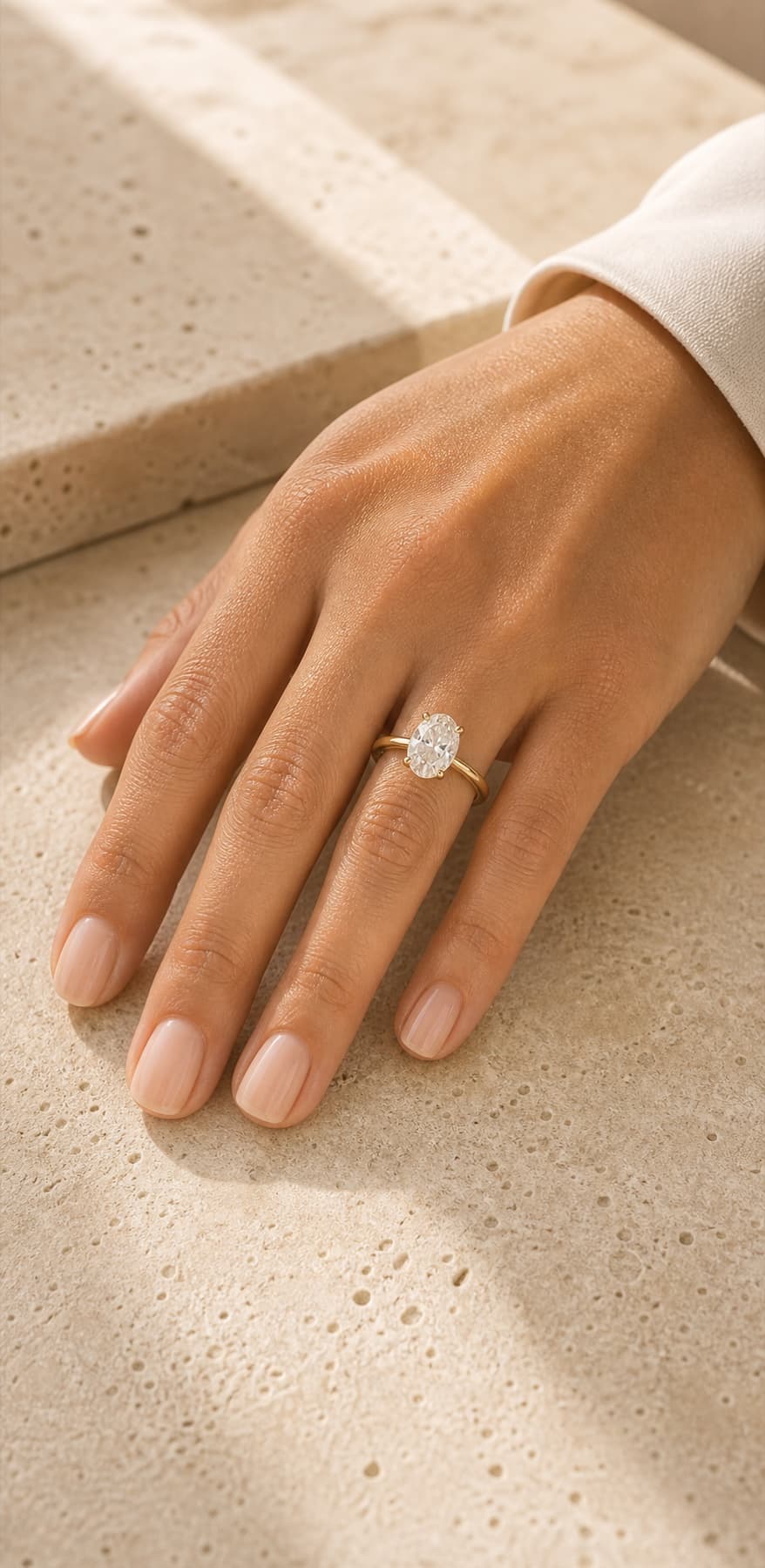
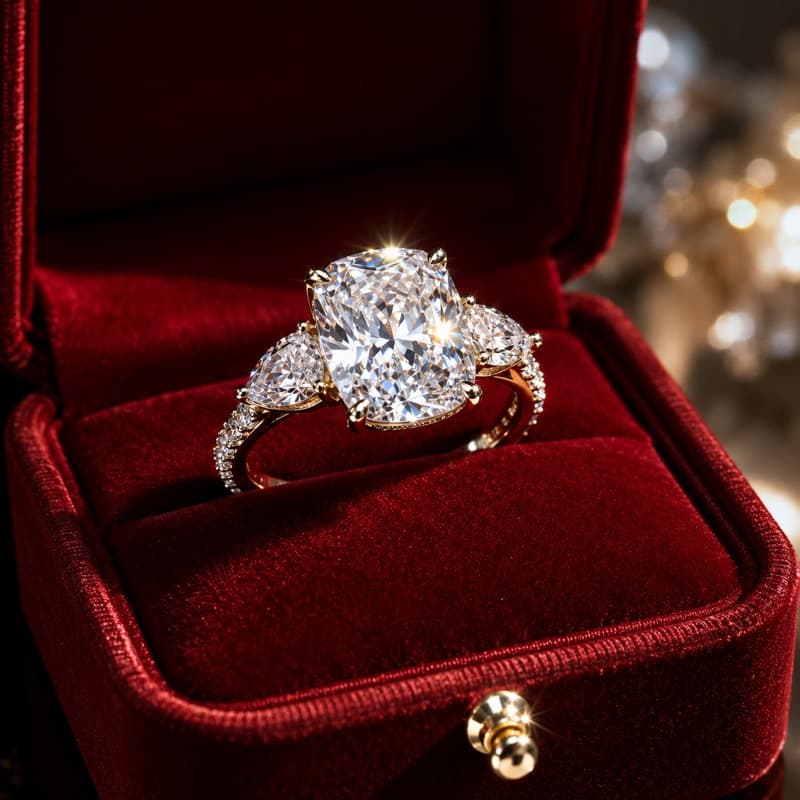
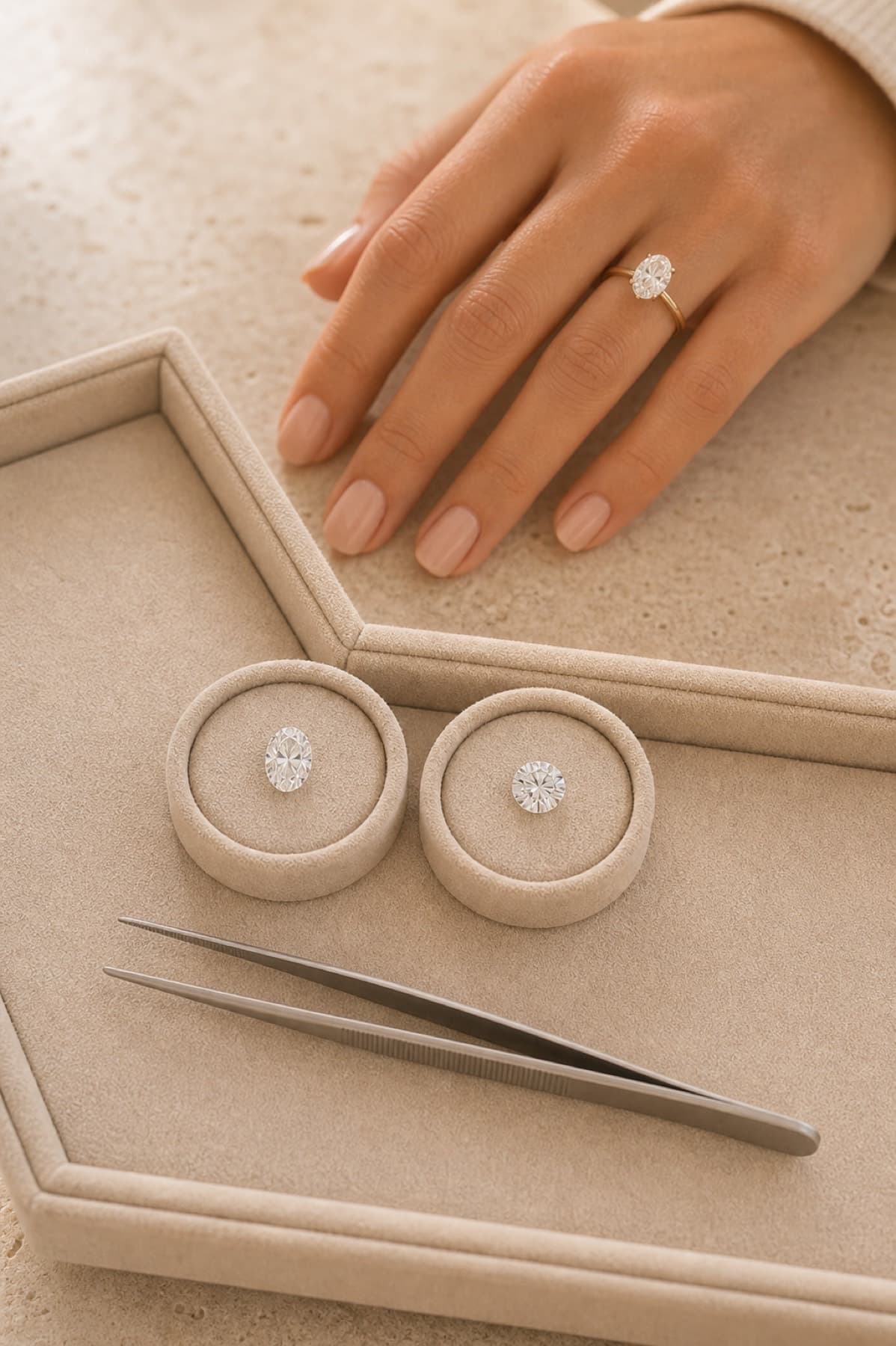
Candidate stones compared for how they will present inside a rim
AI-generated inspiration imagery.

Building the ring around the stone

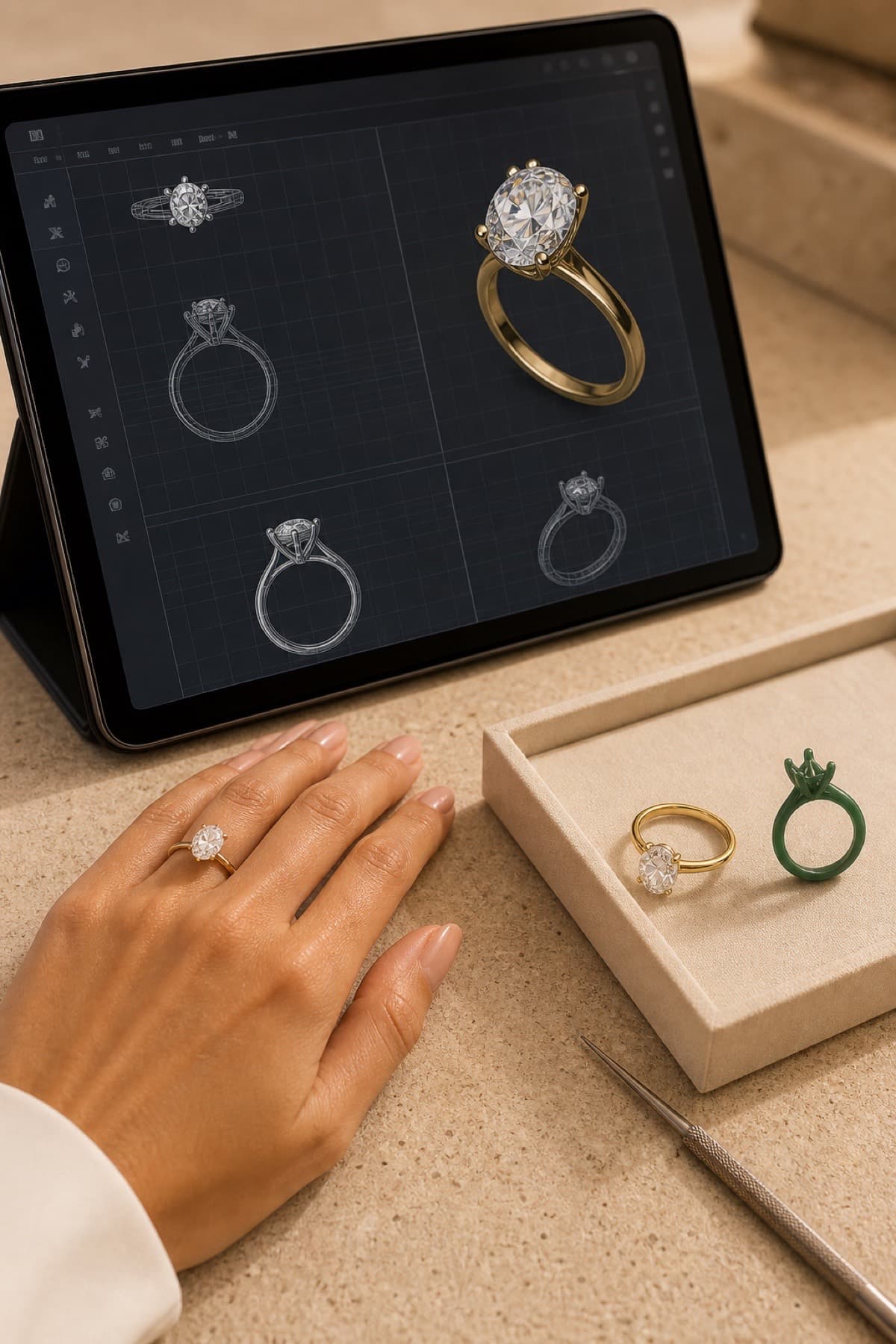
Most bezels I make go through CAD, because the rim, the height, and the band junction all have to match one specific diamond. That’s also where metal color gets decided: yellow gold makes the rim a warm, visible frame, while platinum or white gold lets the edge recede so the stone reads larger. Mixed metal splits the difference.

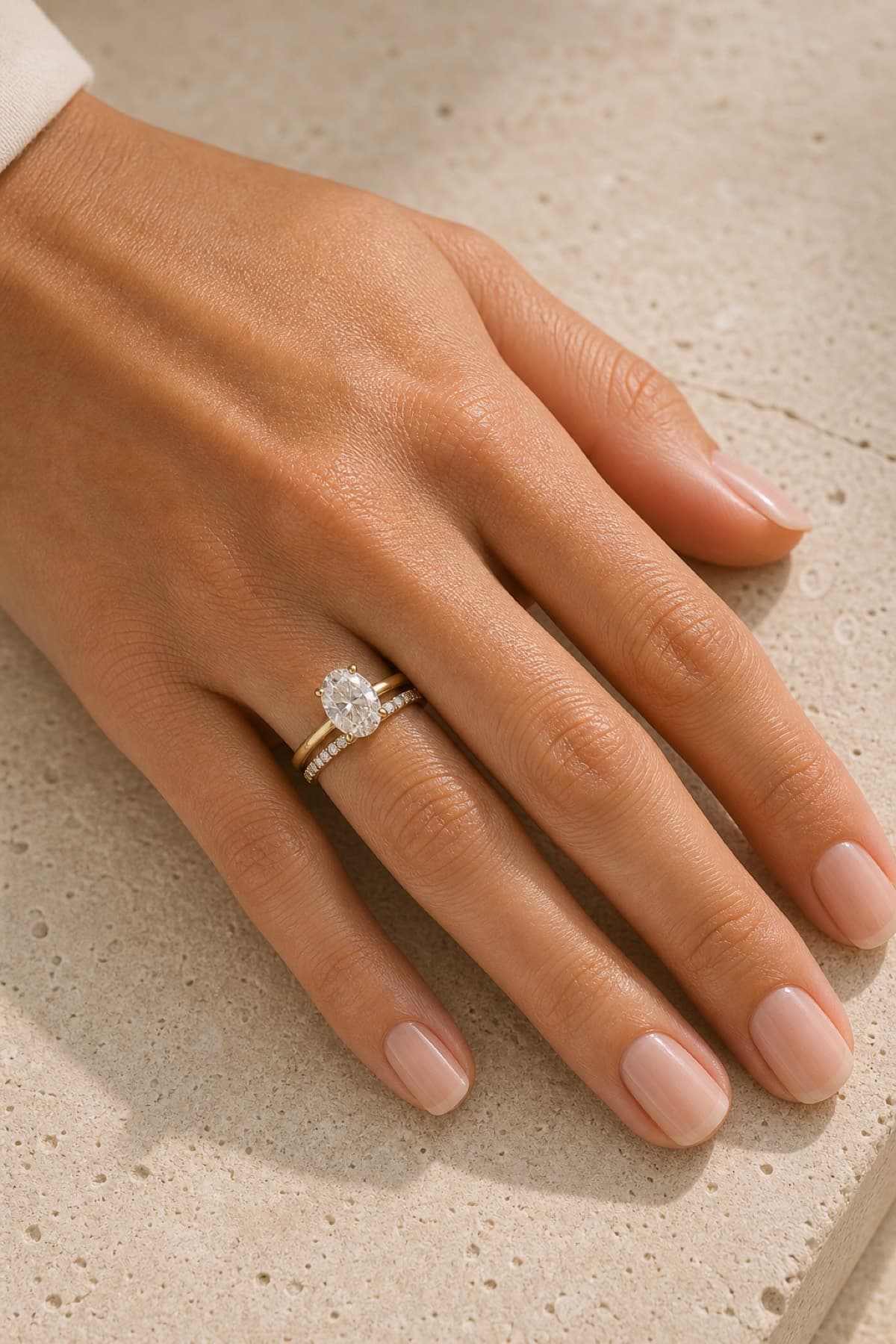
The side profile needs one early decision: a very low bezel can sit so close to the finger that a straight wedding band won’t seat against it. If a flush stack matters, we lift the design slightly or plan the band’s shape now. You see and approve the full design, clearances included, before anything is cast.

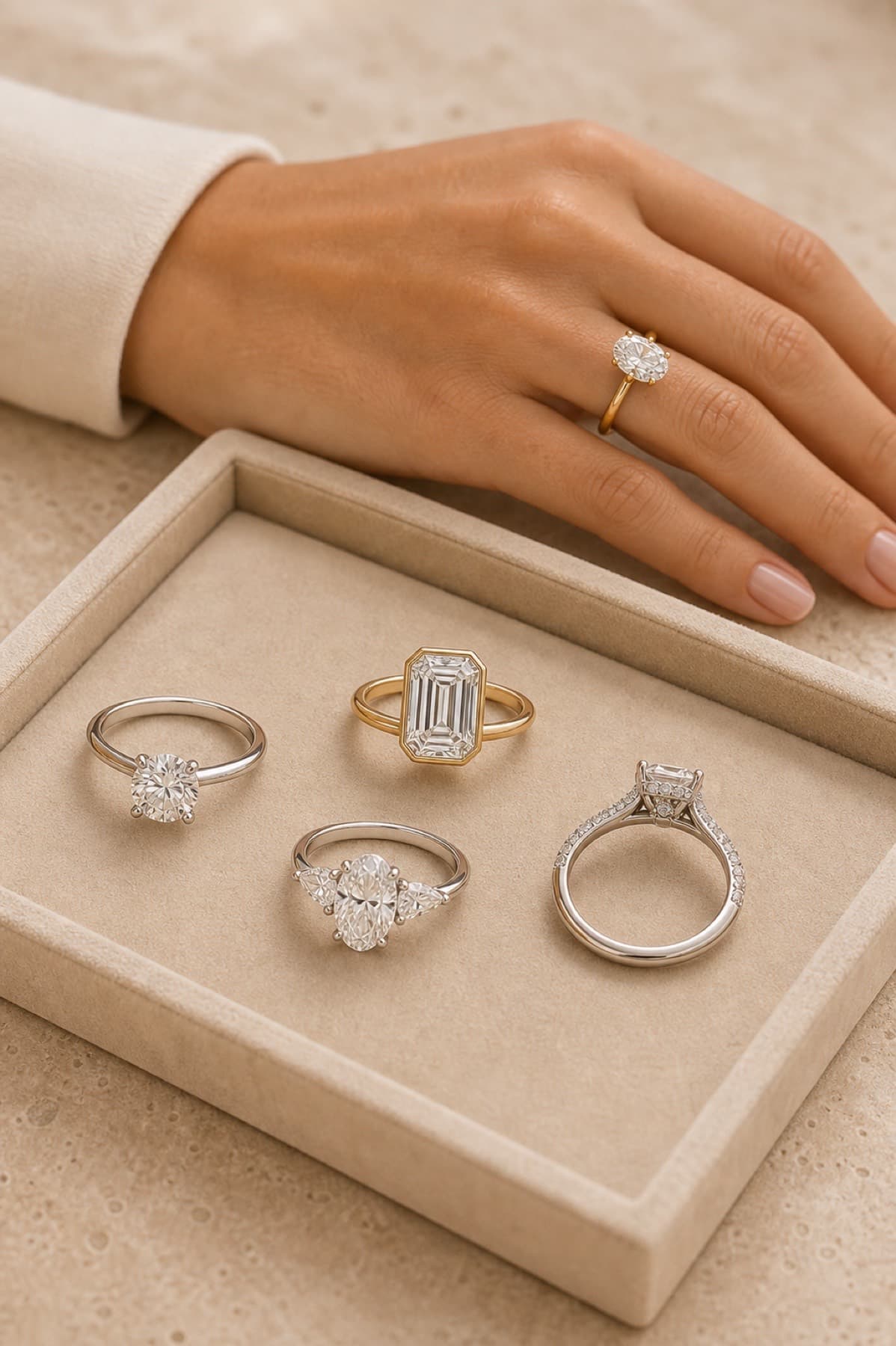
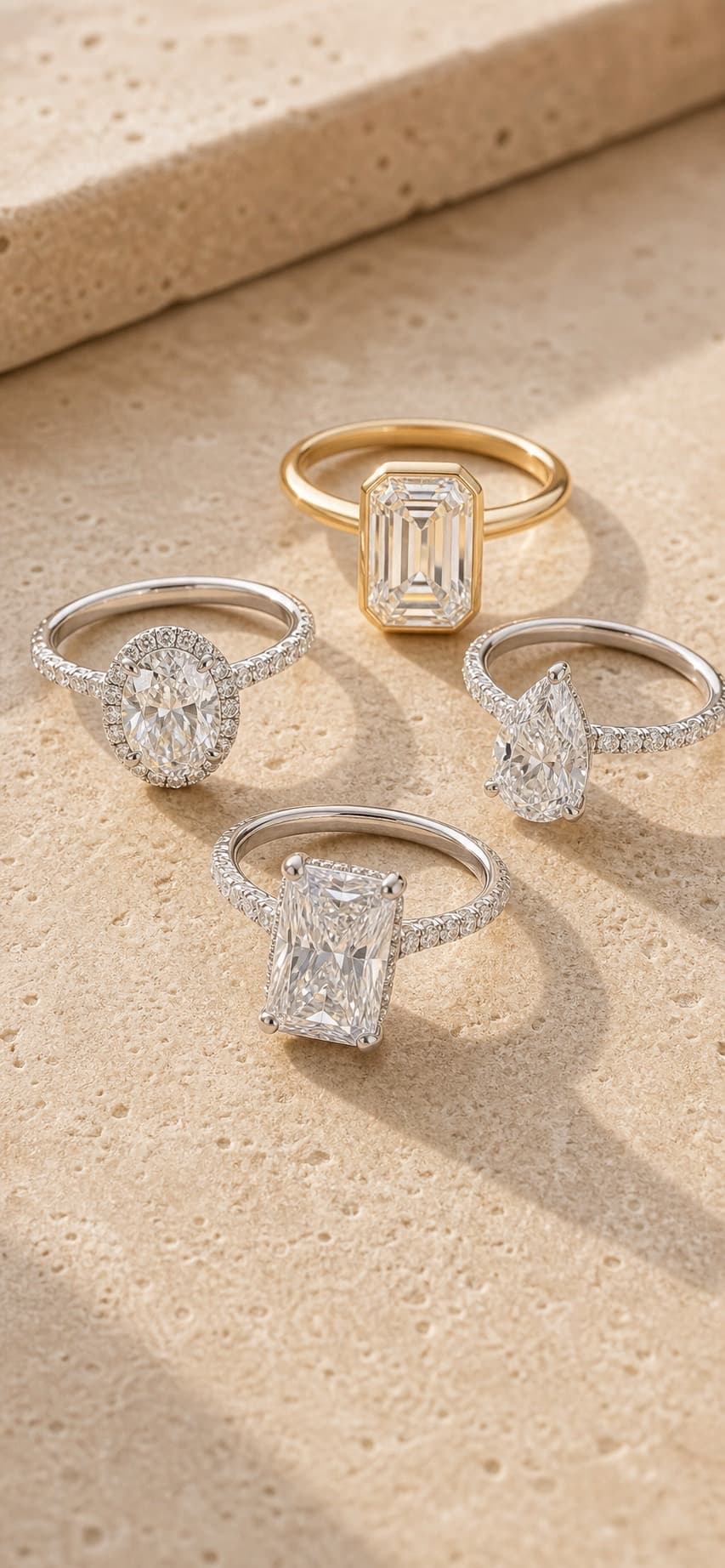
Bezel and prong setting options on a jeweler's tray
AI-generated inspiration imagery.

Inspiration, not inventory

Design directions to customize

View all directions

In their words

We came in with a screenshot from one of the big diamond websites, basically daring him. He sourced the same specs with a noticeably better stone, side by side you could see it, and his number was lower. Honestly didn’t expect that.
Miguel & Sofia · Compared against an online listing

Questions couples ask before the first appointment

Does a bezel setting cost more than prongs?

Usually somewhat, because it takes more metal and more precise work, and often a CAD build. But the setting is a small share of the total. What the bezel can save you on the stone side, by making edge inclusions irrelevant, frequently covers the difference.

Can a bezel hold a lab-grown diamond, and does the rim change the lab-versus-natural math?

A bezel holds either origin identically; the metal neither knows nor cares. The math doesn’t change much either: lab-grown still costs far less at the same size. Since a bezel emphasizes diameter, some couples put the lab-grown savings into a wider stone, which the rim then frames well.

Do bezels only work with round diamonds?

No. Ovals, emerald cuts, and elongated cushions all take a bezel well, and a rim around a step-cut stone looks particularly deliberate. Each shape changes the rim’s difficulty and the low-profile options, so the shape decision and the setting decision are best made together.

Are bezel set engagement rings more secure?

Yes, meaningfully. The rim protects the stone's most chip-prone edge and there are no prongs to catch, loosen, or bend. What you give up is the last few percent of side light, and on the desk next to a prong setting you'll see how small that difference is. For hands that work, it's usually the trade worth making.

Text Andrew

Text Andrew the ring style you keep coming back to.

A photo, sketch, or even a rough idea is enough to start. I can usually tell you whether the smartest path is a sourced diamond, a modified setting, a CAD build, or a short call to compare options.

Prefer a call or text?

Prefer to reach Andrew now? Call or text 619-279-7738.

GIA Applied Jewelry Professional
Trained to judge a diamond by eye, not just by its report.
30+ years in jewelry
Buying and selling diamonds and gold wholesale every week.
Most rings in 14 to 30 days
CAD builds can run longer. You know which yours is up front.
The price in writing first
A written plan and a real number before any deposit.