
The orientation changes the whole ring
A horizontal stone can feel lower, cleaner, and more architectural than the same shape set north-south.
Inspiration, not inventory
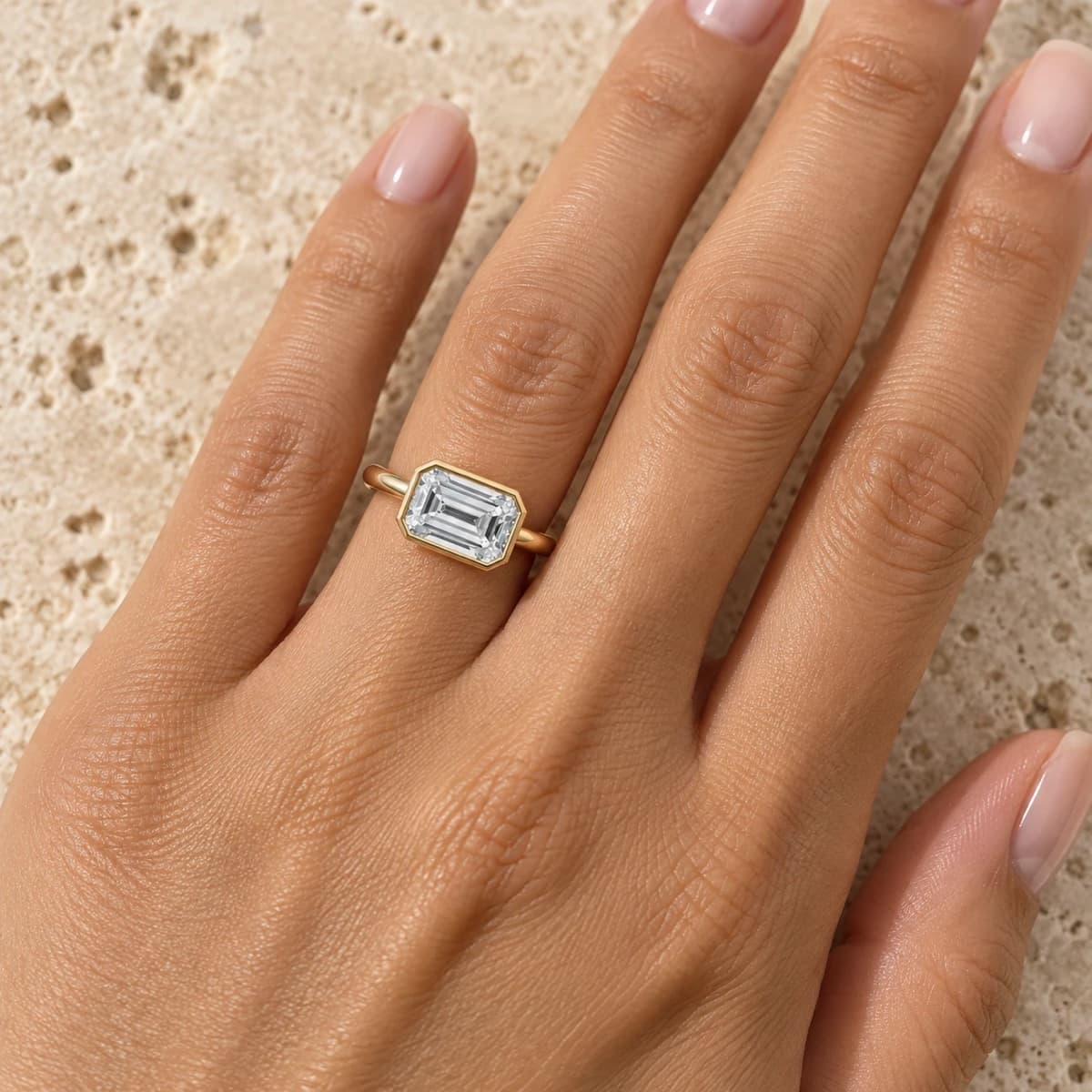
A center stone set horizontally for a lower, modern line across the finger.
East-west settings are clean when the proportions are right. The ring should feel deliberate from every angle, not simply turned sideways.
Best for
Modern horizontal profile
Diamond shape
Emerald, oval, marquise, radiant, cushion
Setting path
Custom orientation planning
Custom complexity
Moderate
Why this direction works
Andrew uses the inspiration image to decide what needs to be selected, modified, or built from scratch so the ring feels right in real life.
A horizontal stone can feel lower, cleaner, and more architectural than the same shape set north-south.
Emerald, oval, marquise, radiant, and cushion diamonds all read differently when turned east-west.
The right stone width should feel intentional across the hand, not too wide or too small.
You don’t need to know a single one of these words yet. Send the photo, and Andrew walks you through every choice in plain English, with real examples in front of you, until the ring is exactly right.
01
Setting a long stone across the finger instead of along it turns a classic into something modern. Emerald cuts go architectural, ovals and marquises stay soft, radiants and cushions bring the sparkle. Some shapes earn the turn more than others, and Andrew is honest about which.
02
A smooth rim of metal wrapped around the stone reads sleek and contemporary; small claws show more of the diamond's outline. The ring stays low to the hand whenever the stone's proportions allow it.
03
A sideways stone covers the finger differently, so the coverage, the band width, the metal color, and the wedding band's place all get decided on her hand, not on a chart.
What Andrew would compare
I would compare the shape on the hand before committing to east-west orientation.
I would decide between bezel and prongs based on the stone shape and daily wear needs.
I would check band fit early because a horizontal stone can change the side profile.
East-west designs depend on measurements and face-up presence. Natural and lab-grown options should be compared by actual dimensions because carat weight alone does not tell you how the stone will cover the finger horizontally.
The setting should be designed for the horizontal orientation from the beginning. Simply rotating a standard setting can create awkward prong placement or band fit.
East-west rings can feel comfortable because the stone may sit lower, but wider stones need careful edges and prong protection.
Horizontal stones can make flush band fit either easier or harder depending on height and basket shape. Plan the band before production.
What to text Andrew
A photo, saved post, rough sketch, or short note is enough. Andrew can help decide whether the best path is selecting the exact diamond, modifying a setting, or using CAD only when the design needs it.
Keep comparing

A sleek step-cut diamond secured in a clean bezel for an architectural, understated profile.
Customize this direction
A round brilliant diamond set in a slim bezel for a clean, modern ring with soft protection and quiet presence.
Customize this direction
A dramatic elongated shape with pointed ends, strong finger coverage, and a rare editorial feel.
Customize this direction
Asscher, emerald, baguette, and antique-inspired geometry with warm detail and measured restraint.
Customize this directionUseful guides
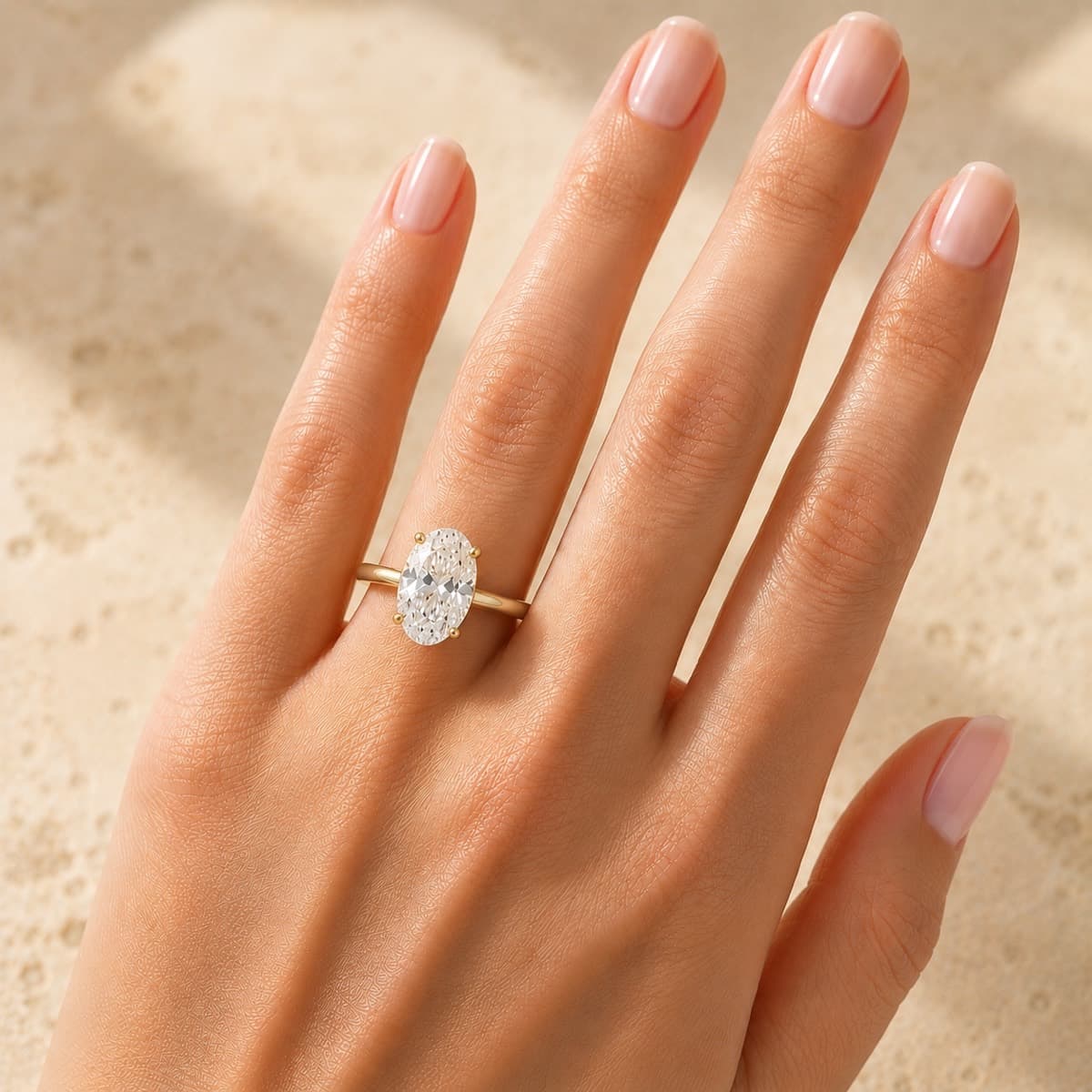
How to compare round, oval, cushion, emerald, radiant, pear, marquise, and other diamond shapes for a custom engagement ring.
Read guide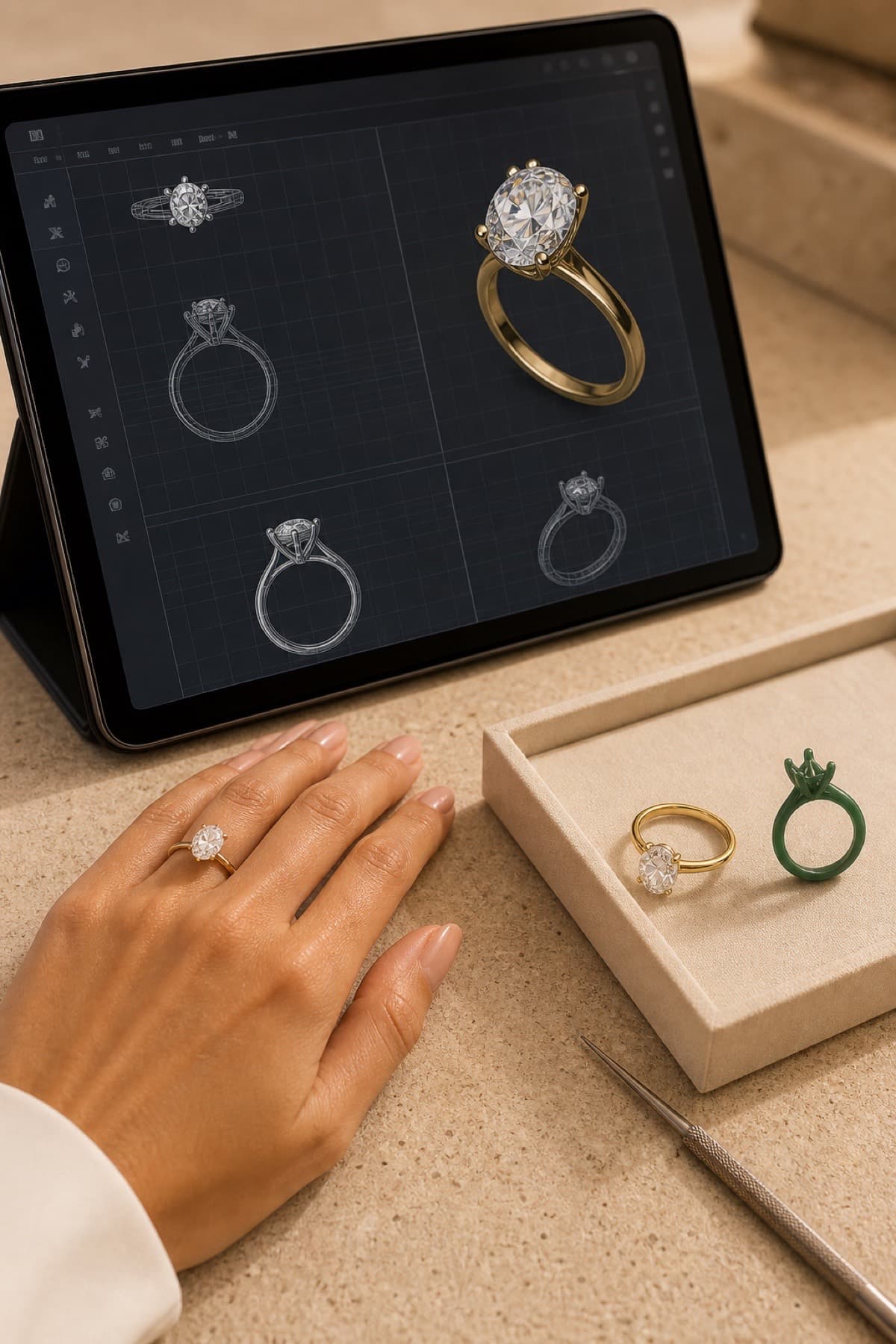
Custom doesn't automatically mean CAD. The three levels of custom, four worked examples, what each does to the cost, and the decision test I actually use.
Read guide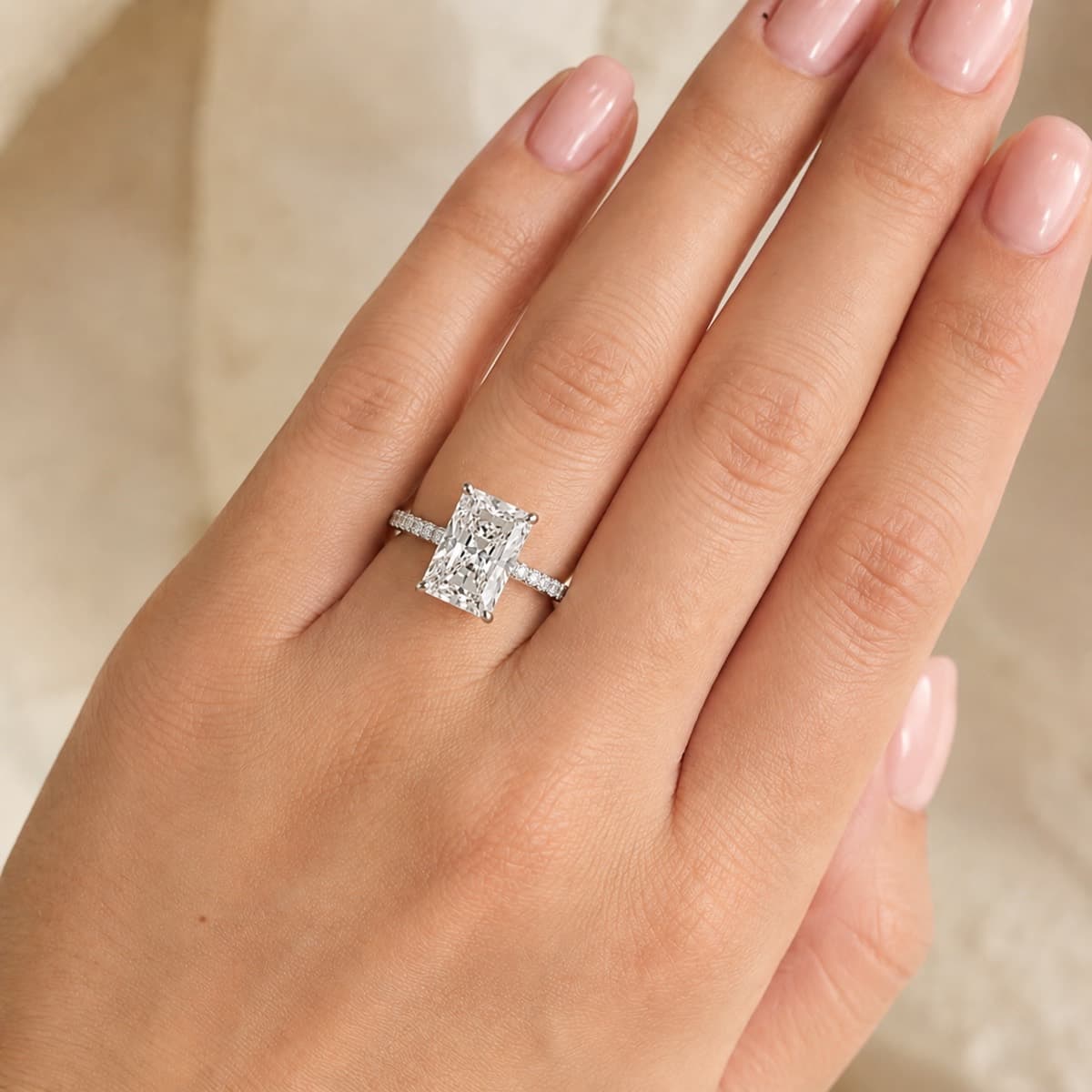
Yes, a jeweler can build a ring from a photo. What a picture tells us, what it hides, and how a screenshot becomes a ring made for her hand.
Read guideWant the full page on this style, from the stone to the price?
East-West engagement rings in San DiegoIn their words
“We walked in thinking $3,500 wouldn’t get us anything special. Andrew built Jasmine an oval that gets compliments almost weekly, and he never once tried to push us past our number.”
Emerald, oval, marquise, radiant, and cushion cuts can all work, but the right choice depends on dimensions and how the shape sits across the finger.
Usually, yes. The horizontal orientation gives familiar diamond shapes a cleaner, more unexpected profile.
A bezel can be excellent, especially for a smooth low profile, but prongs may be better when the couple wants more of the stone outline visible.
Yes. Natural and lab-grown diamonds can both be considered and should be compared by dimensions, shape, appearance, and origin preference.
Text Andrew
Text Andrew the photo or style you keep coming back to. He can help translate it into a diamond choice, setting path, and next step without treating the inspiration as inventory.