
Guide
Can You Make an Engagement Ring From a Photo?
By Andrew GonzalezGIA Diamonds Graduate6 min readUpdated
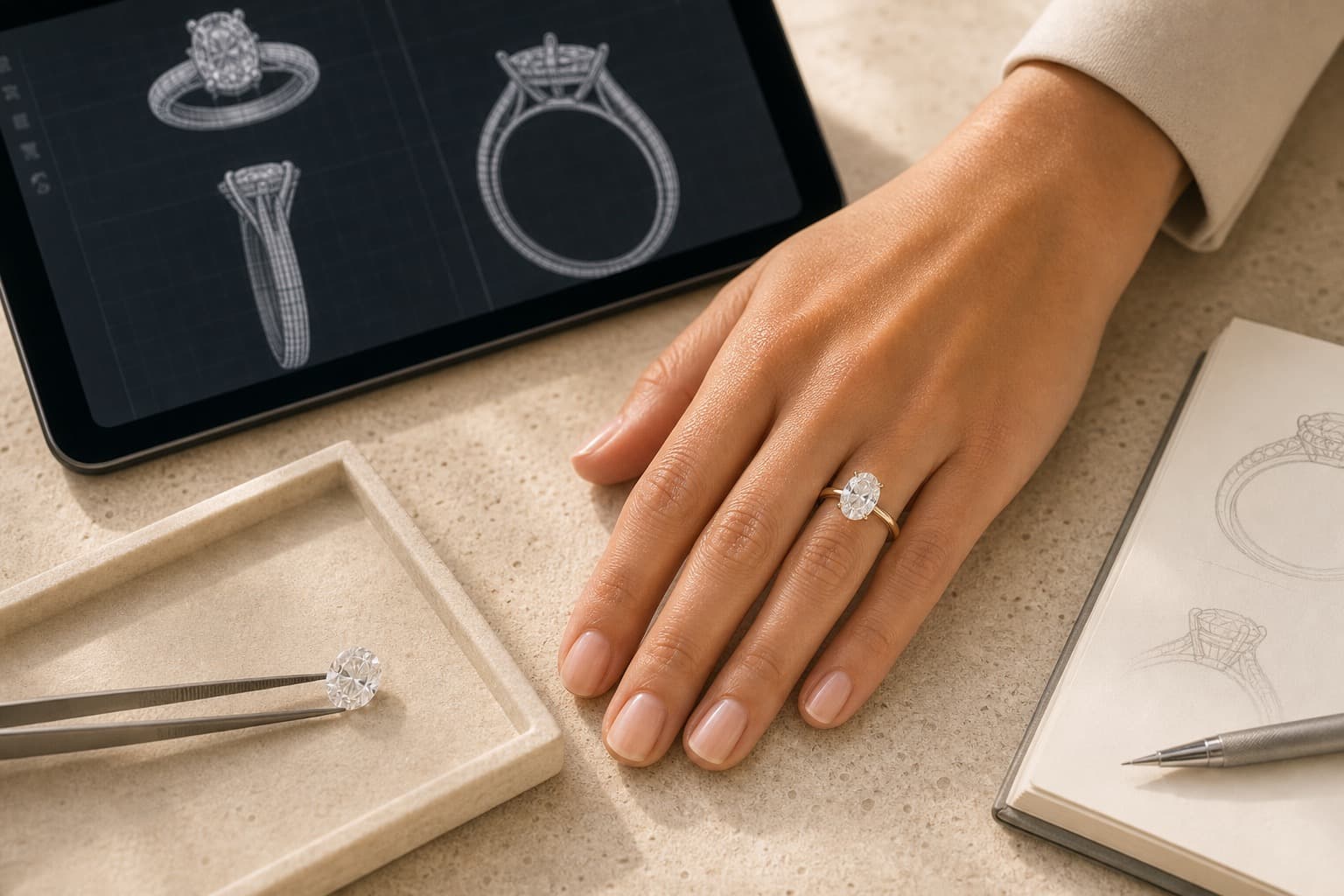
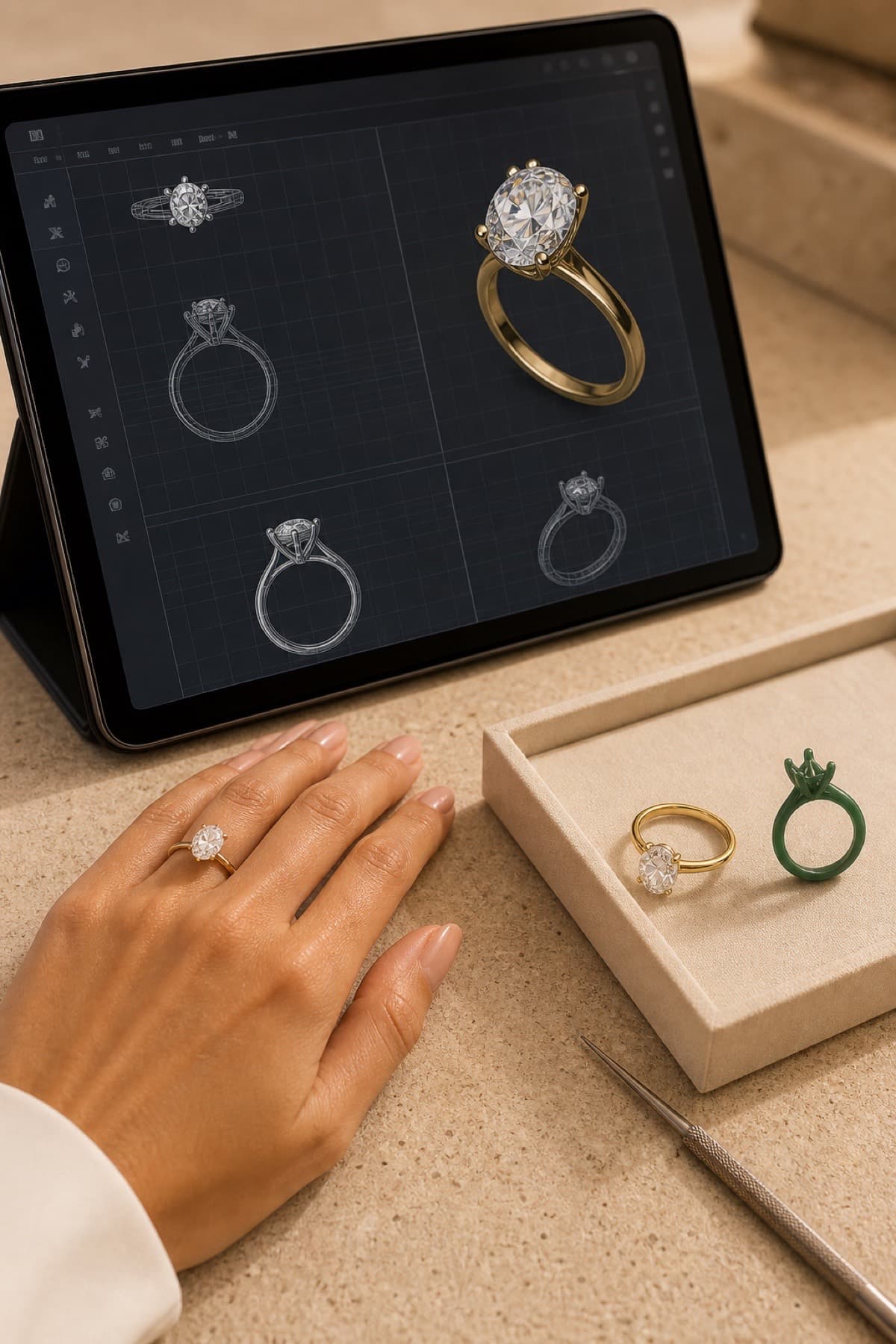
Yes. A photo is how most rings start here, and it is a genuinely good starting point: it carries the shape, the feeling, and the details you would never have the vocabulary to describe. What a photo is not is a plan. It hides the stone's measurements, the ring's height, and the hand it was photographed on, and the gap between a picture and a buildable ring is exactly where a jeweler earns their keep. Here is how a saved photo becomes a real ring, and where I will push back on the picture for your own good.
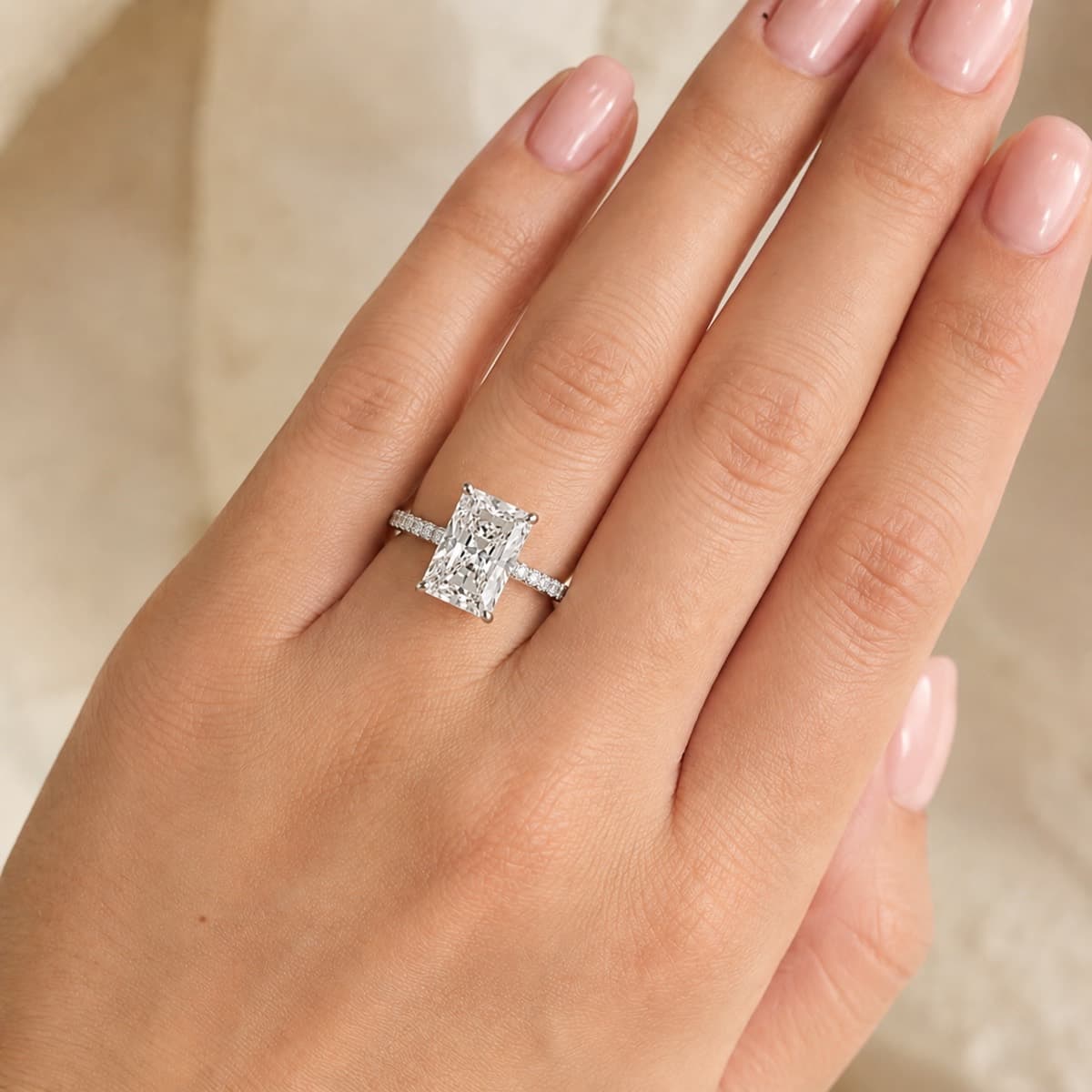
What the photo tells me
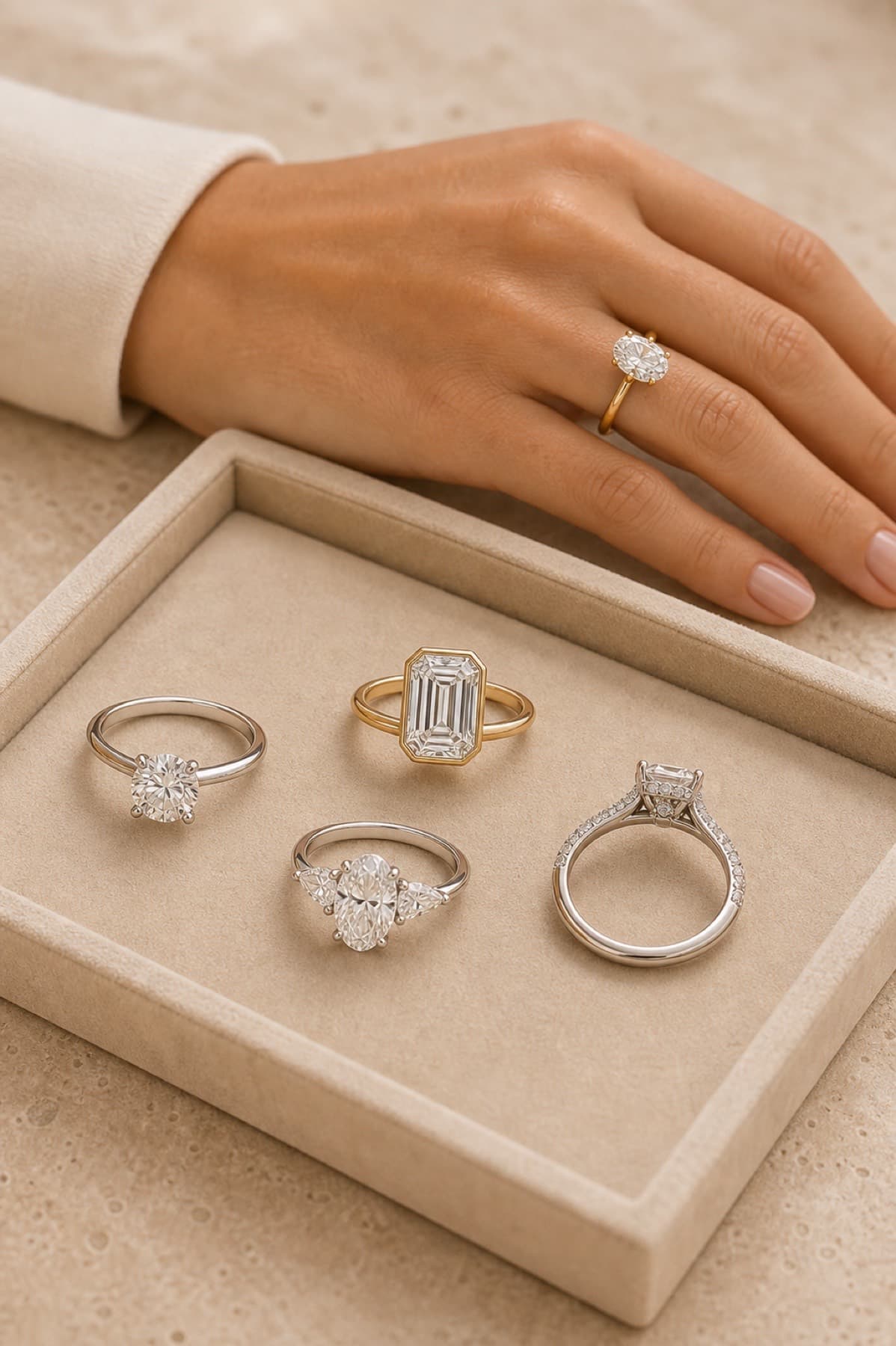
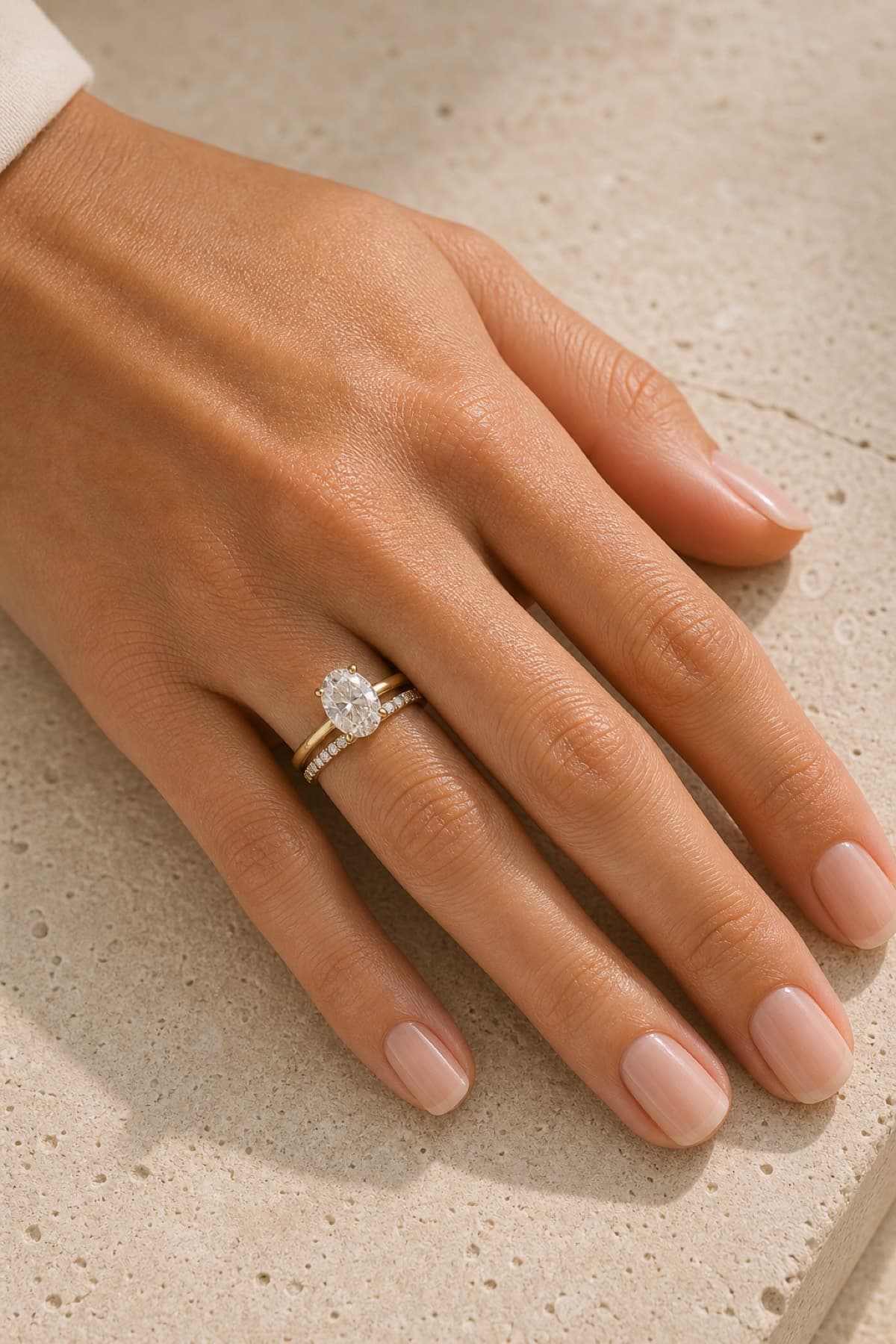
More than you would think. One good photo usually settles the stone's shape, whether the band is plain or set with tiny diamonds, how much metal shows, and the overall feeling: delicate, bold, vintage, clean. Two or three photos settle the direction almost completely, especially when you tell me what you like about each one, because the common thread across them is her taste, stated more clearly than words ever manage.
What the photo hides
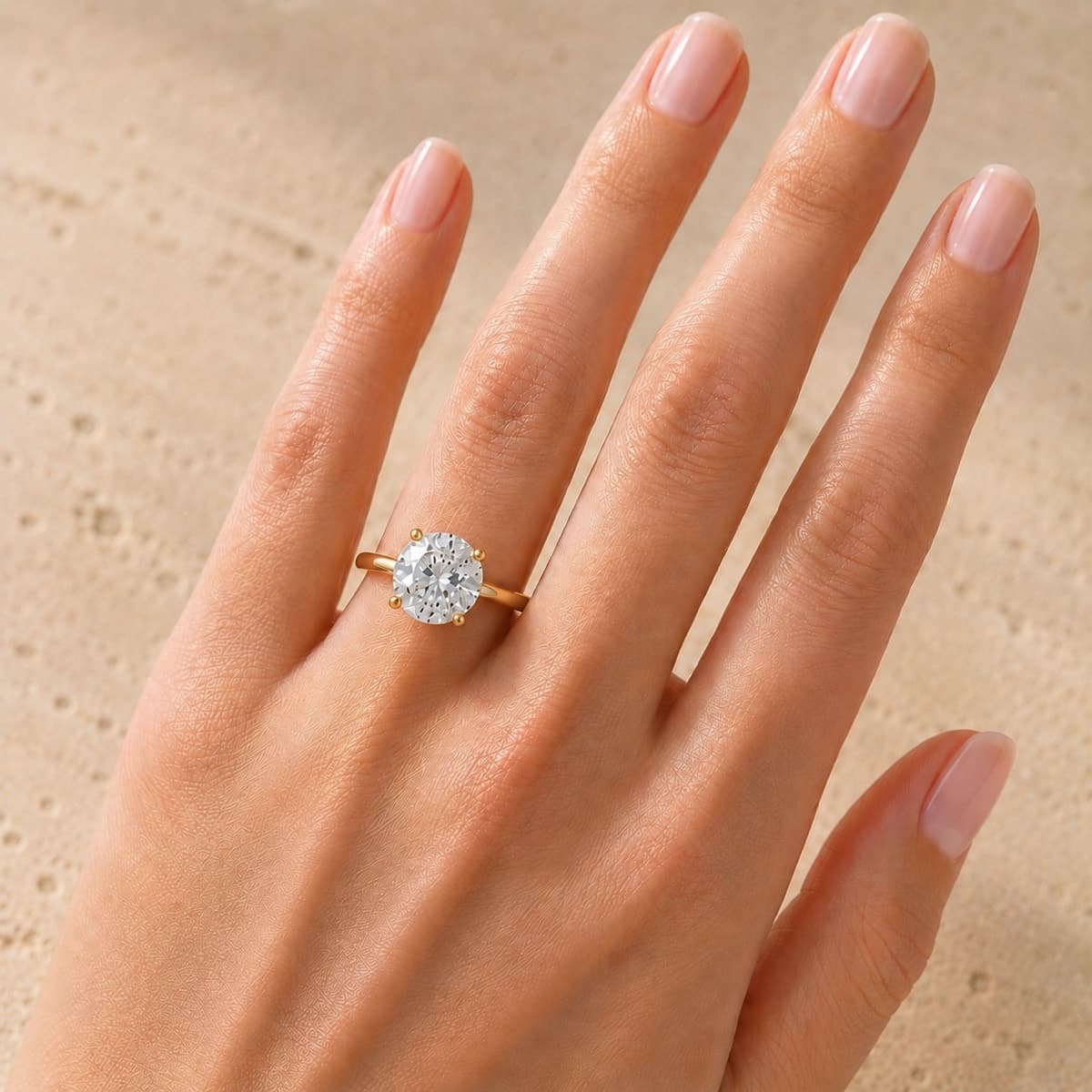
The numbers. A photo does not say whether that oval is one carat or three, how high the stone sits, how wide the band is, or whether the ring was shot on a hand model's fingers, which most of them are. It also cannot show whether a wedding band will sit flush against the design.
Every one of those gets decided deliberately when the ring is built for her hand instead of a photographer's. That is why the finished ring routinely fits the person better than the photo it started from.
What to send, and what to say about it
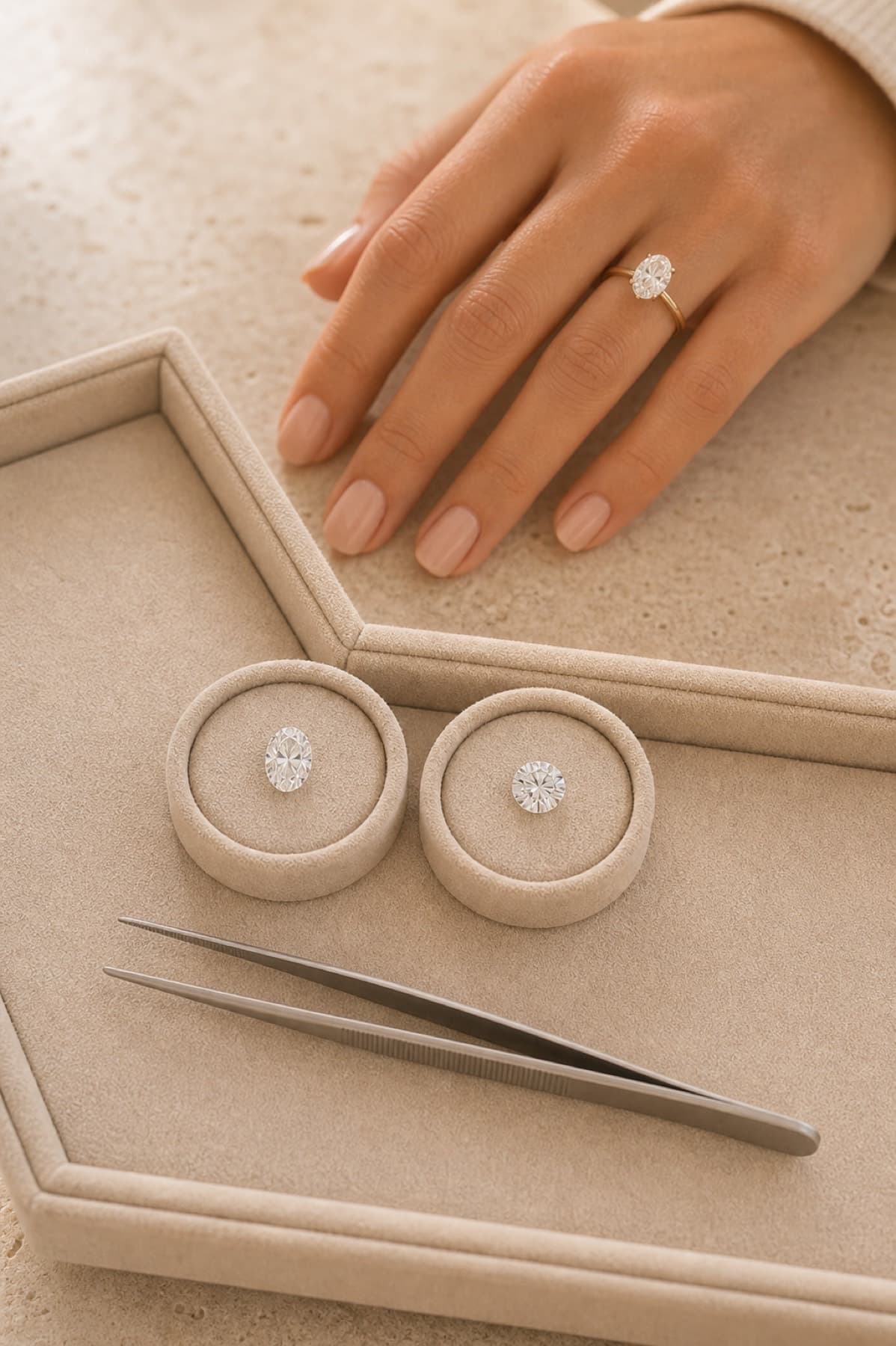
Three to five photos beats one, and it beats fifty. One picture can be a fluke; fifty read as noise to someone who has to find the pattern. What turns a good photo into a buildable direction is one line about why you saved it, because the reason is usually not what I would guess from looking.
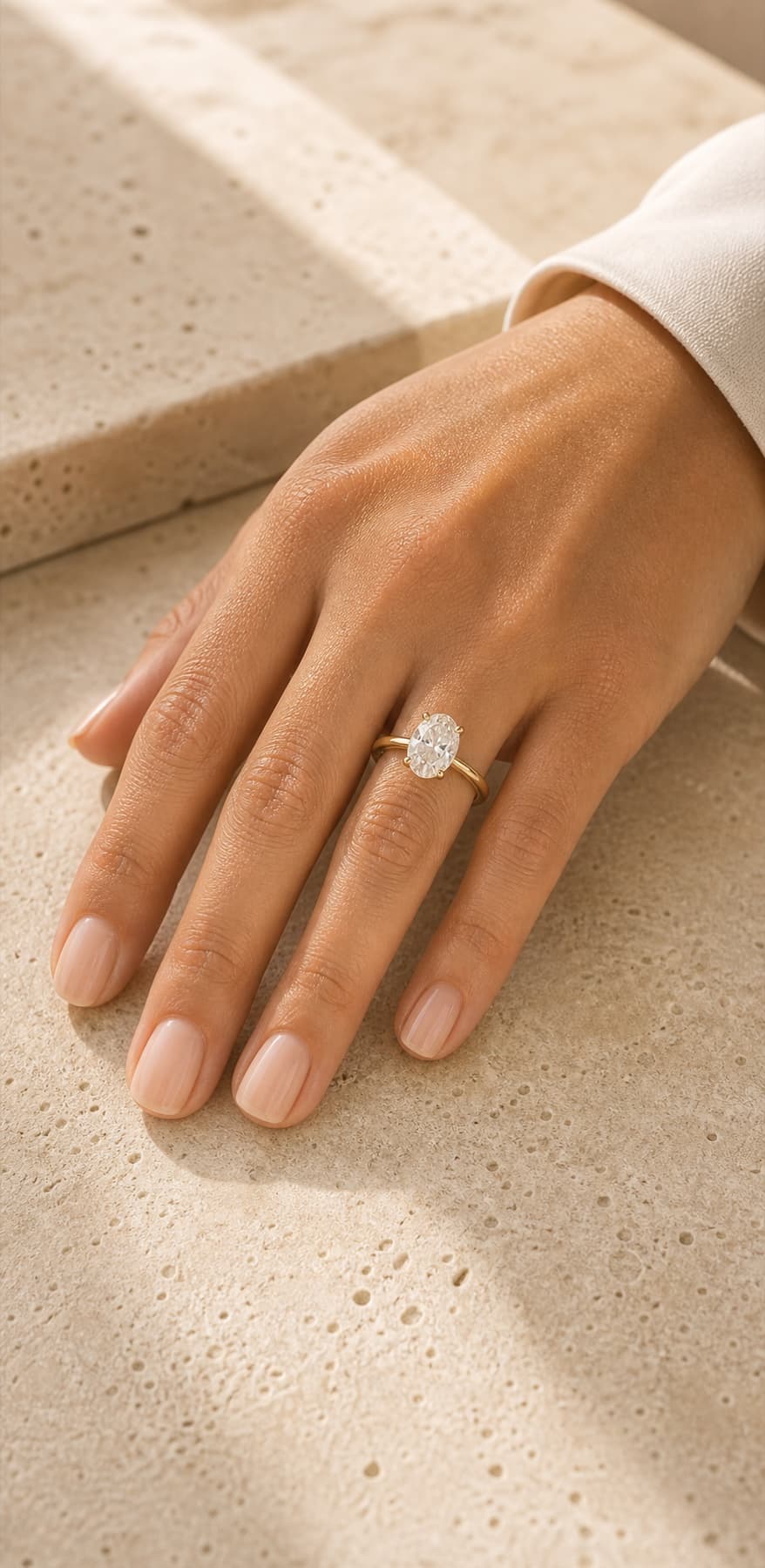
A photo of the ring on a hand is worth more than a catalogue shot, since it shows scale. A side view is worth more still, because it shows height, which is the thing product photography hides most reliably. And if any of the photos is a ring she has actually tried on, say so; that one outranks the rest.
Inspiration, not photocopying
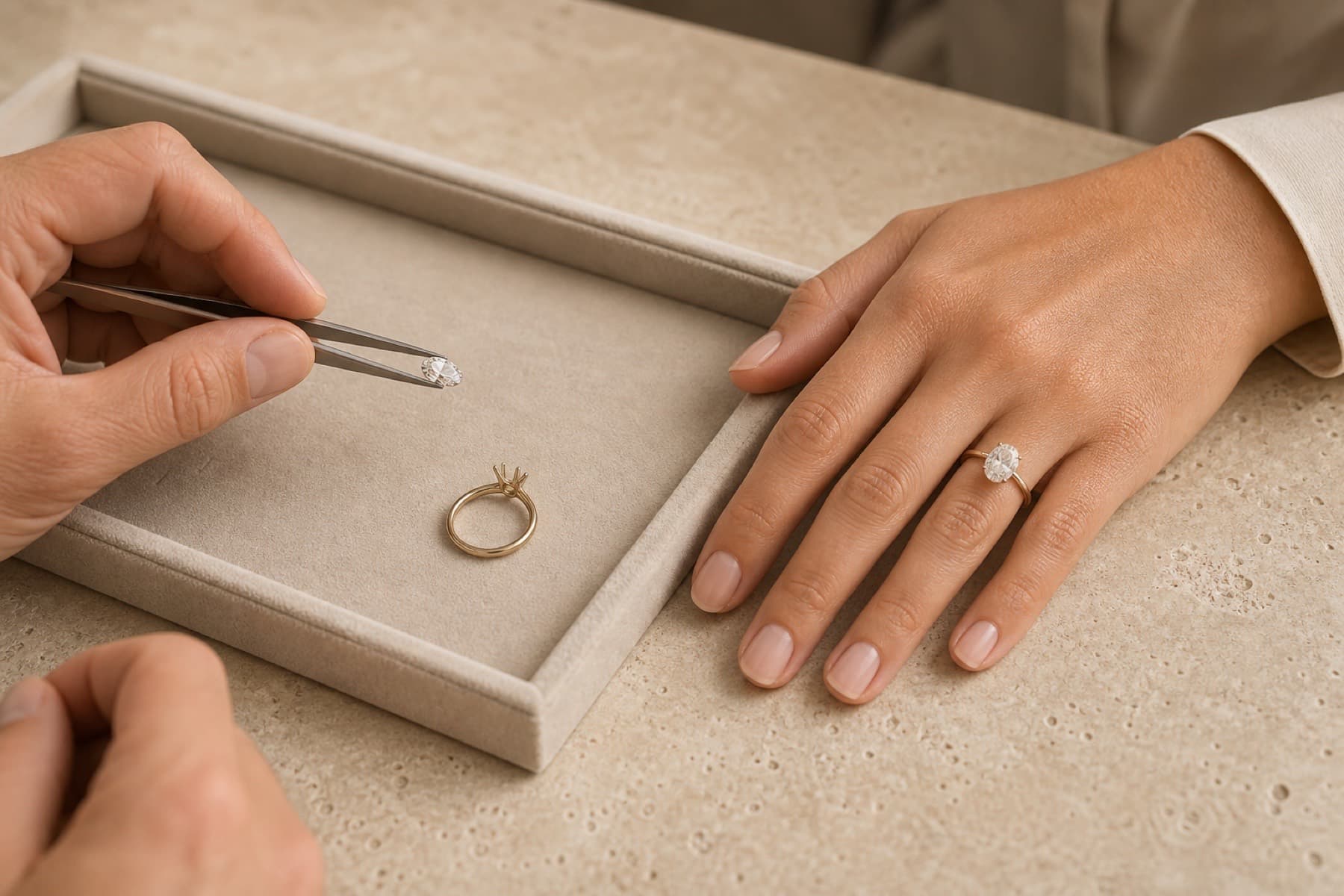
Copying a branded design line for line is not what happens here. What happens is translation: I take the proportions and the feeling of the picture and rebuild them around your actual diamond, her actual finger, and your actual budget.
And when the photo itself is the problem, I will say so before anything is built. A setting that traps dirt, a stone that sits too tall for how she uses her hands, a style that photographs better than it wears: these are conversations to have on paper, not discoveries to make in month two. If you would rather start from something already drawn, the design directions are a good place to point at instead. The photo is the beginning of the conversation. She is the point of it.