Skip to content
Andrew Gonzalez, Luxury Custom JewelerLuxury Custom Jewelerby Andrew Gonzalez

Cushion diamonds, judged in person

Cushion cut engagement rings in San Diego: no two cushions match, so buy the one you've actually seen.

I’m Andrew Gonzalez, a private jeweler in San Diego. Of all the shapes I source, cushions are the ones I most insist on showing in person, because the word covers an enormous range: near-square pillows, long soft rectangles, bold flashes of light, the fine glitter jewelers call crushed ice, and antique-style patterns that look nothing like any of them. Two cushions with matching reports can be two different rings. The reward for choosing carefully is real, though: cushions are often the best-priced brilliant shape per carat on the market. If you’re narrowing the look, start with the Elongated Cushion design direction.

30+ years of experience building custom engagement rings, wedding bands, and custom jewelry. GIA Applied Jewelry Professional.

Text Andrew a Photo

What I’ll want to know

  1. Square-ish or elongated. If you don't know yet, I'll show you both on the hand.
  2. Bold flashes or fine glitter. Cushions genuinely come in both personalities.
  3. The range, and whether a lab-grown comparison belongs on the desk.

What gets decided

A cushion’s report tells you the least of any shape.

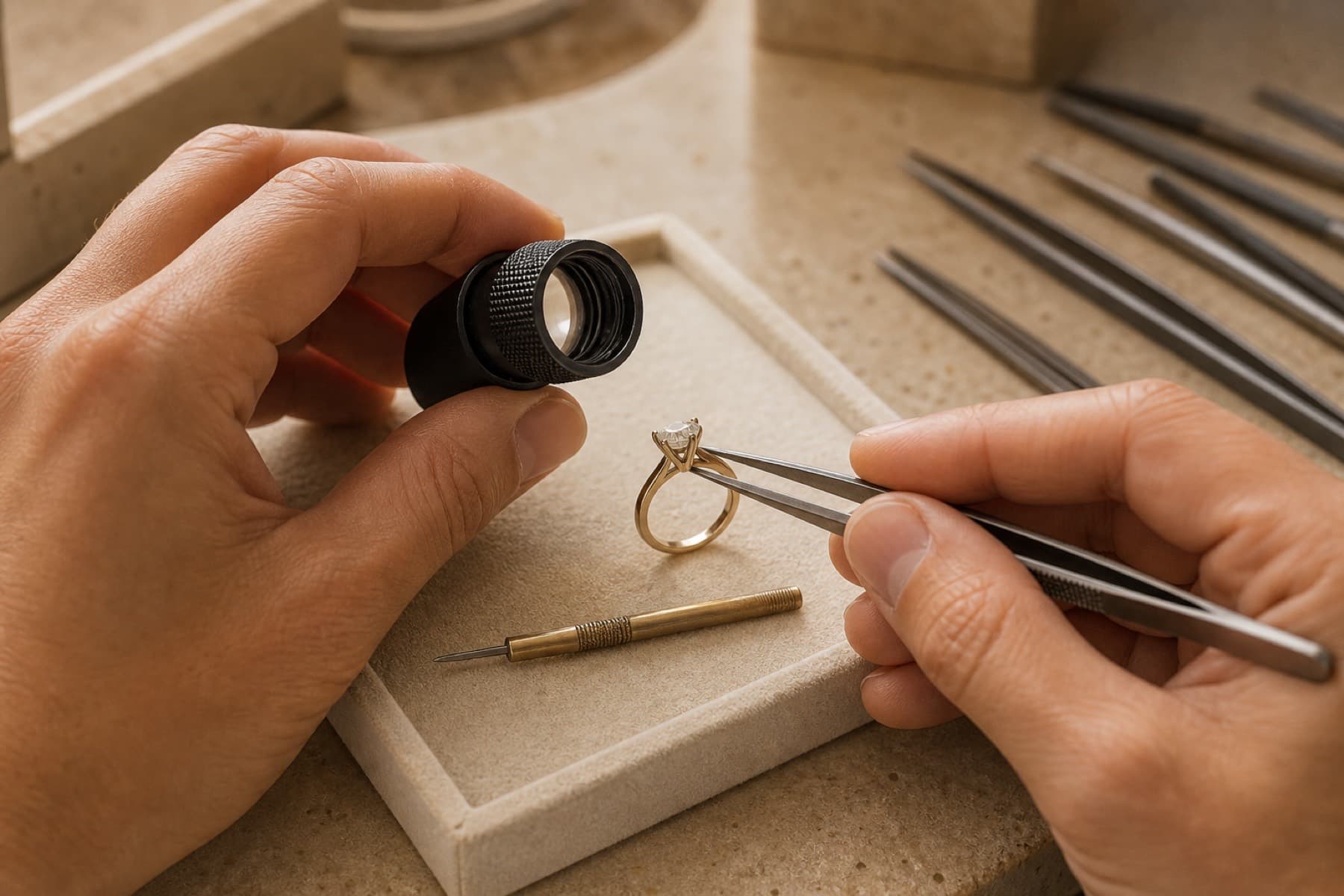
There is no cut grade for cushions, and the certificate says nothing about facet personality, outline symmetry, or how the corners resolve. So we do it the old way: candidate stones on the desk, a loupe in your hand, and your approval on the exact stone and design before production.

What you’re choosing when you choose a cushion

Three decisions define the stone. Outline: square-ish reads traditional, elongated covers more finger and flatters most hands. Facet personality: broad flashes feel bold, crushed-ice reads as a fine shimmer, antique-style patterns feel like an heirloom. Corners: softer or tighter changes the whole silhouette. None of these appear as line items on a grading report.

Cushions run deep by nature, so a given carat weight can face up smaller than the number suggests. I measure spread on every candidate and quote you the millimeters, because that, not the carat line, is what people see on the hand. The rounded corners, meanwhile, make cushions genuinely durable; there’s no point to chip like a princess cut.
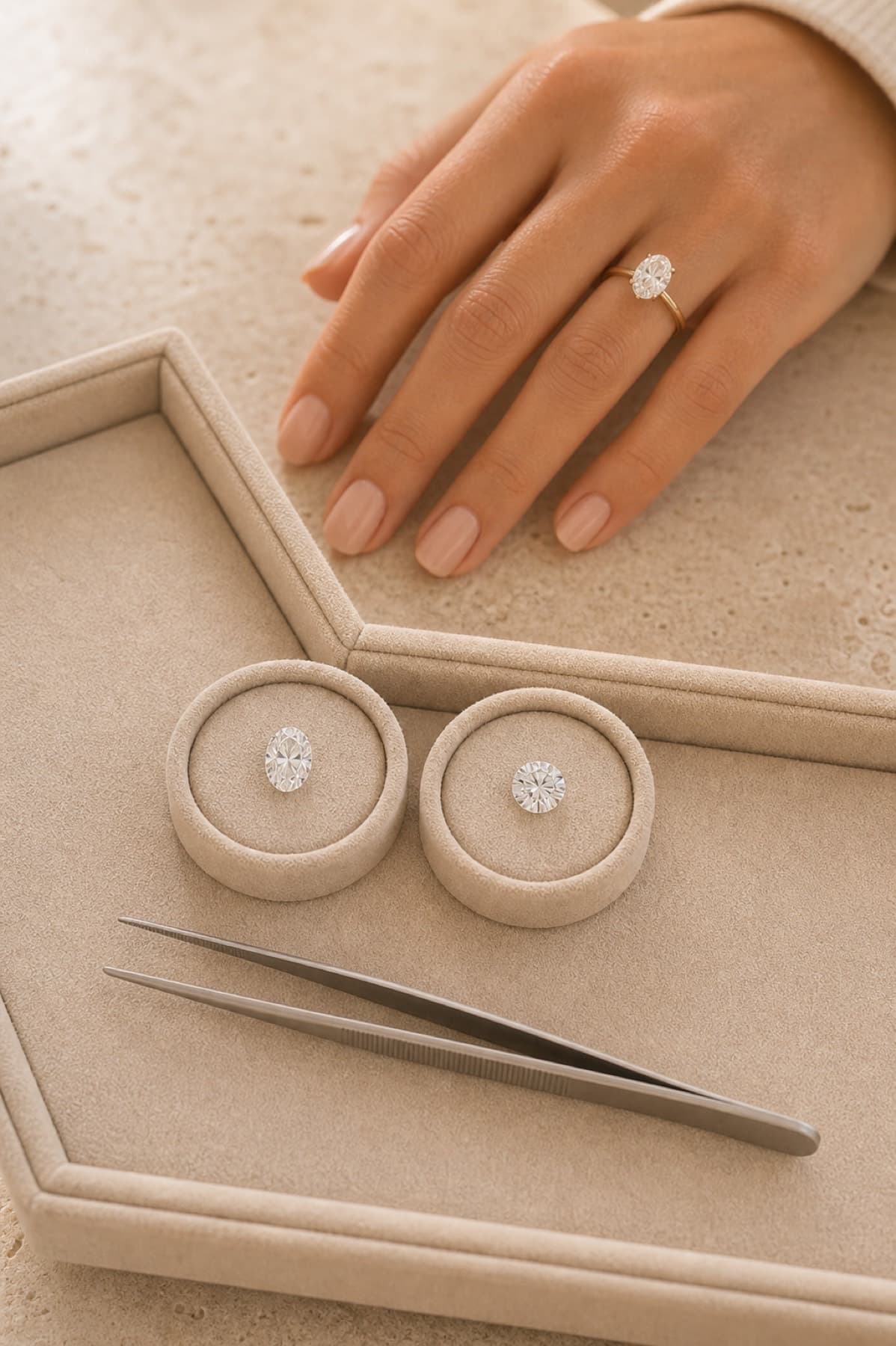
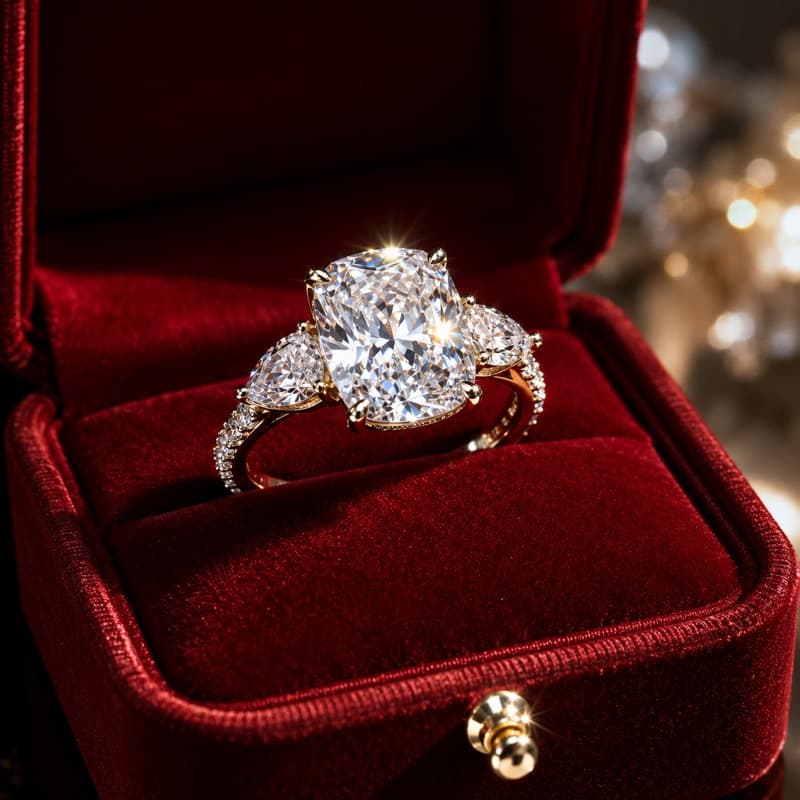
Two cushion cuts with matching reports and different personalities
AI-generated inspiration imagery.

Sourcing cushions the way jewelers buy them

Because demand concentrates on rounds and ovals, well-cut cushions are frequently the quiet bargain of the brilliant shapes, and lab-grown widens that gap further. I call in certified natural and lab-grown candidates at your target size, cull the deep, dull, or lopsided ones, and show you what’s left, by appointment, one couple at a time.

I hold no inventory, so I’m indifferent to which stone wins, including the possibility that none of them do this round. You compare the finalists in real light, loupe available, and take whatever time the decision needs.

  • Elongated and square outlines shown side by side before you commit to a ratio.
  • Broad-flash, crushed-ice, and antique-style faceting compared in person.
  • Face-up millimeters quoted for every candidate, not just carat weight.
  • Natural and lab-grown priced against the same finished look.
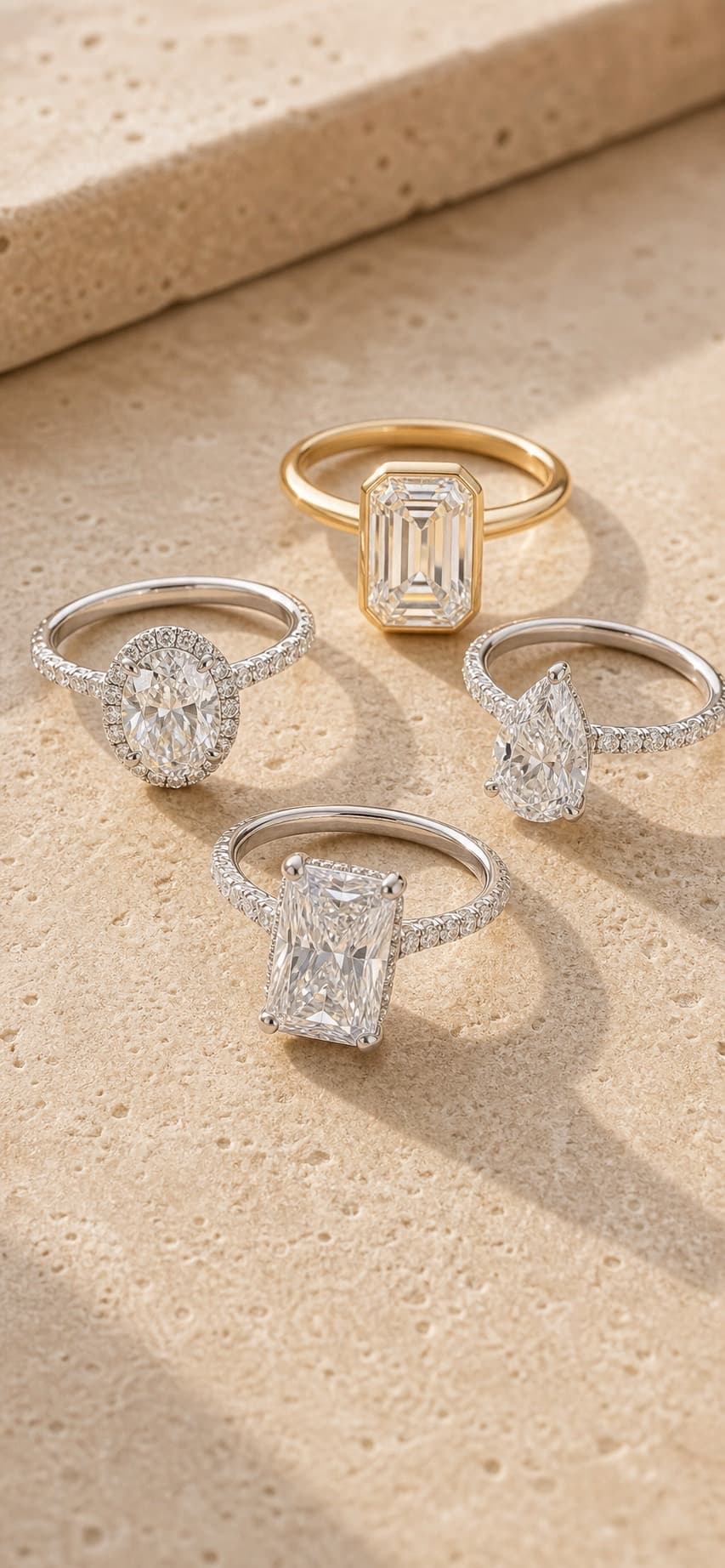
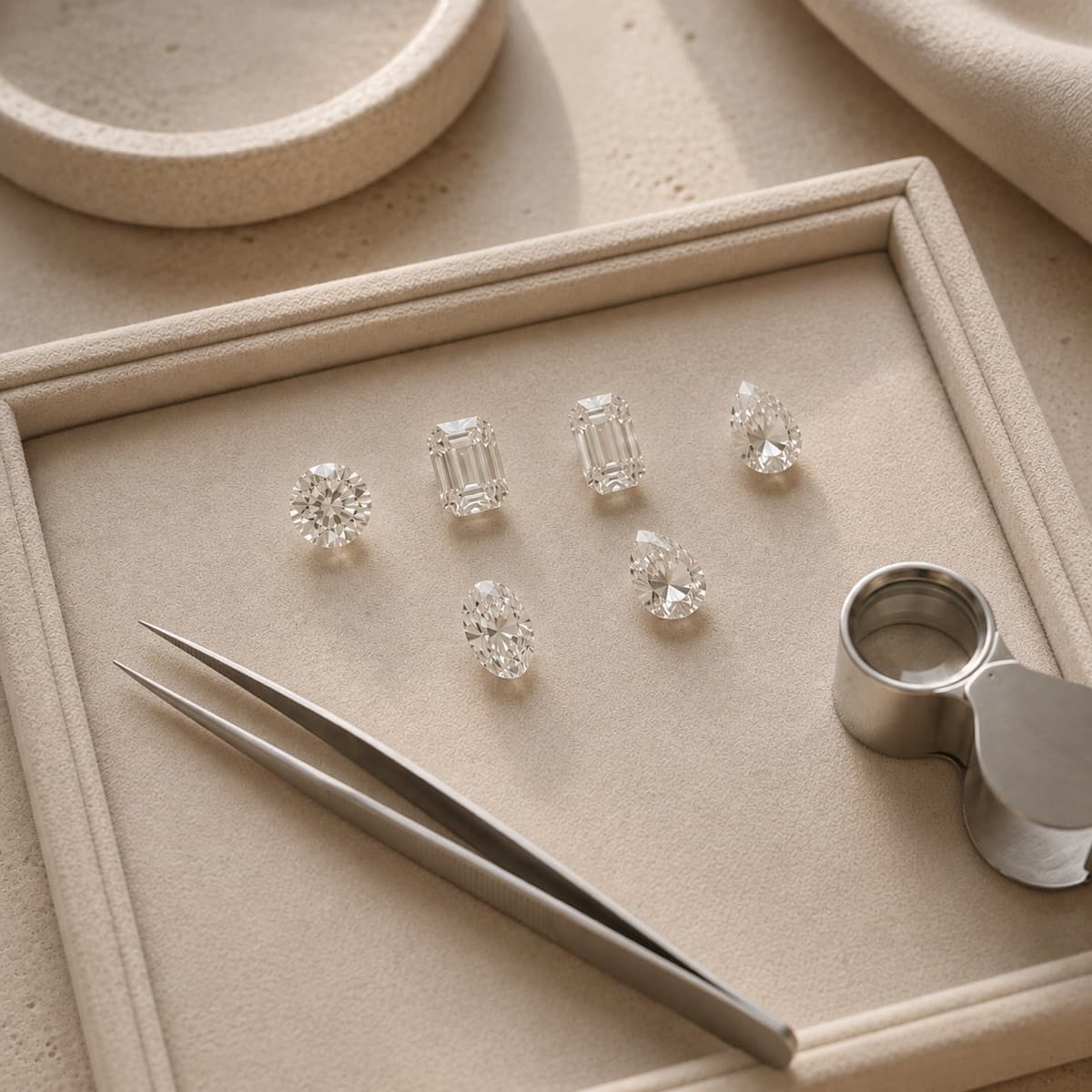
Cushion-cut candidates gathered on a jeweler's tray
AI-generated inspiration imagery.

Setting and band decisions for a cushion

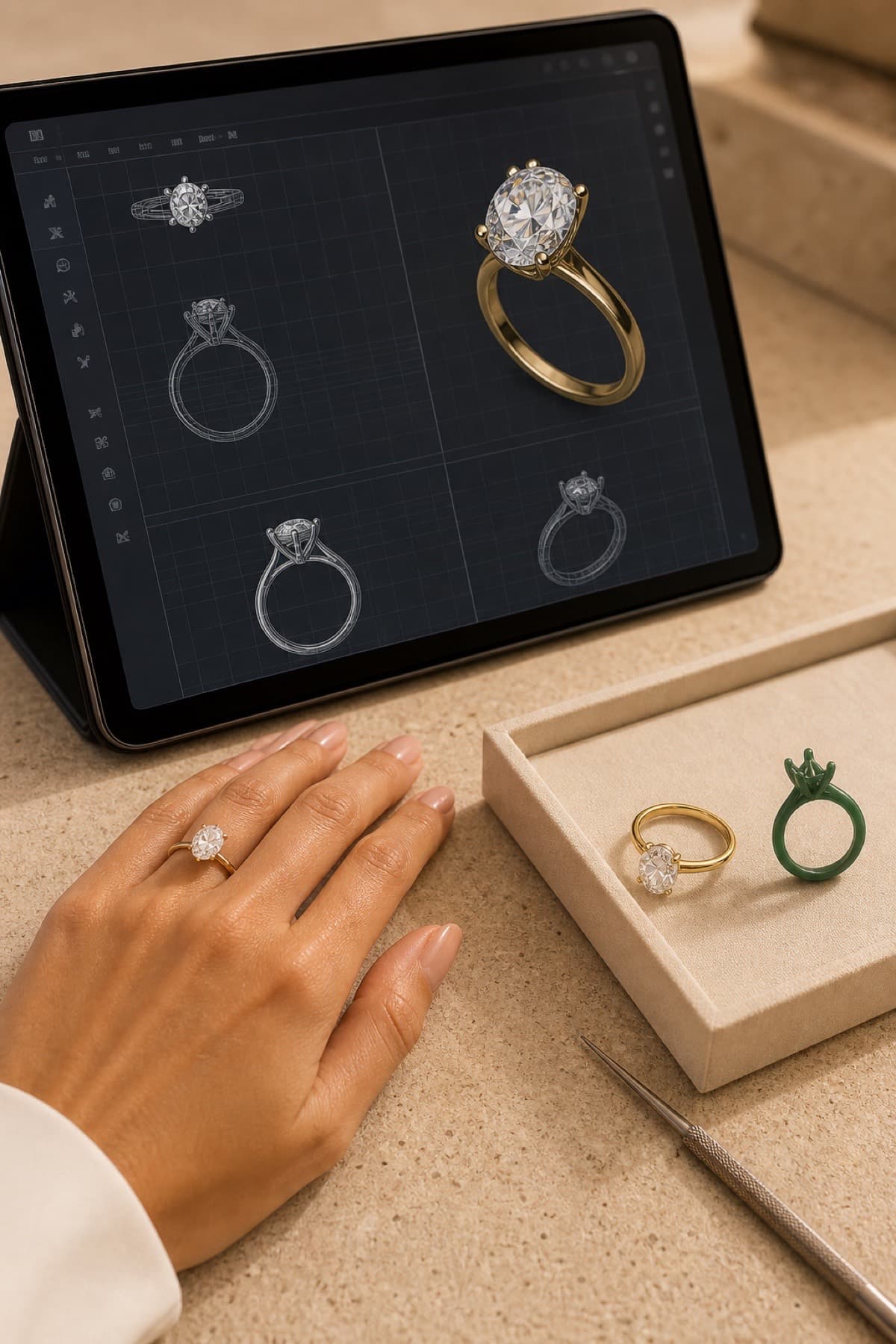
The setting has to agree with the corners. Prongs placed to respect the rounded outline keep the stone secure without pinching its shape; a basket built for the wrong proportions makes even a good cushion sit awkwardly. When your stone’s measurements are unusual, or you want the ring lower than stock mountings allow, I build the setting in CAD around the exact diamond.

Wedding band clearance is decided at design time, not discovered later. Whether you want a flush stack, a deliberate gap, or a contour band, we settle it while the side profile is still adjustable, and you approve the finished design before anything is made.

Setting options that respect a cushion's rounded corners
AI-generated inspiration imagery.

Inspiration, not inventory

Design directions to customize

View all directions

In their words

Andrew told me not to buy the first stone I liked. Who does that? He waited two weeks for a better one to come through his dealer at about the same price. That’s the moment I knew I’d be sending everyone I know to him.
Jordan · Cushion engagement ring

Questions couples ask before the first appointment

Are cushion cut diamonds cheaper than rounds and ovals?

Per carat, cushions typically cost less than rounds and often less than ovals, because demand is lower and cutters retain more rough. The honest caveat is depth: some of that carat savings hides under the stone. I compare candidates by face-up size so you’re paying for what shows.

What length-to-width ratio should I look for in an elongated cushion?

There’s a comfortable range rather than a magic number: enough elongation to read as a rectangle, not so much that the stone looks stretched. The right point in that range depends on your hand and the setting, which is exactly the kind of call to make with stones in front of you rather than from a spec sheet.

Is a lab-grown cushion harder to buy well than a natural one?

The pitfalls are identical: no cut grade, wide personality range, depth eating face-up size. Lab-grown adds nothing new to worry about and takes nothing away; it mostly means the same visual stone at a much lower price. Either way, the stone has to earn its place in person before I’ll set it.

What is the difference between a cushion cut and a princess cut?

The corners. A princess cut is a sharp-cornered square, and those points are the most chip-prone spot a diamond can have. A cushion softens the corners into curves, which makes it noticeably more durable for daily wear and gives it the pillowy, romantic outline the name comes from.

Text Andrew

Text Andrew the ring style you keep coming back to.

A photo, sketch, or even a rough idea is enough to start. I can usually tell you whether the smartest path is a sourced diamond, a modified setting, a CAD build, or a short call to compare options.

Prefer a call or text?

Prefer to reach Andrew now? Call or text 619-279-7738.

GIA Applied Jewelry Professional
Trained to judge a diamond by eye, not just by its report.
30+ years in jewelry
Buying and selling diamonds and gold wholesale every week.
Most rings in 14 to 30 days
CAD builds can run longer. You know which yours is up front.
The price in writing first
A written plan and a real number before any deposit.